10 facts about the Kalahari Desert
The Kalahari Desert stretches across Botswana, Namibia, and South Africa, forming one of Africa’s most surprising landscapes. It is known for its red sand, wide horizons, and wildlife that has adapted to the region’s dry pulse. Despite the name, the Kalahari is not a true desert in the classic sense. It receives more rain than the Sahara, and seasonal grasses transform parts of it into an open savanna. This mix of harshness and life is what makes the Kalahari such an interesting destination for travelers.
The Kalahari is not actually a “true” desert
A true desert receives less than 250 millimeters of rain each year. Much of the Kalahari gets more than that, especially the northern regions. Rain arrives in short, scattered bursts, allowing grasses and shrubs to grow after storms.
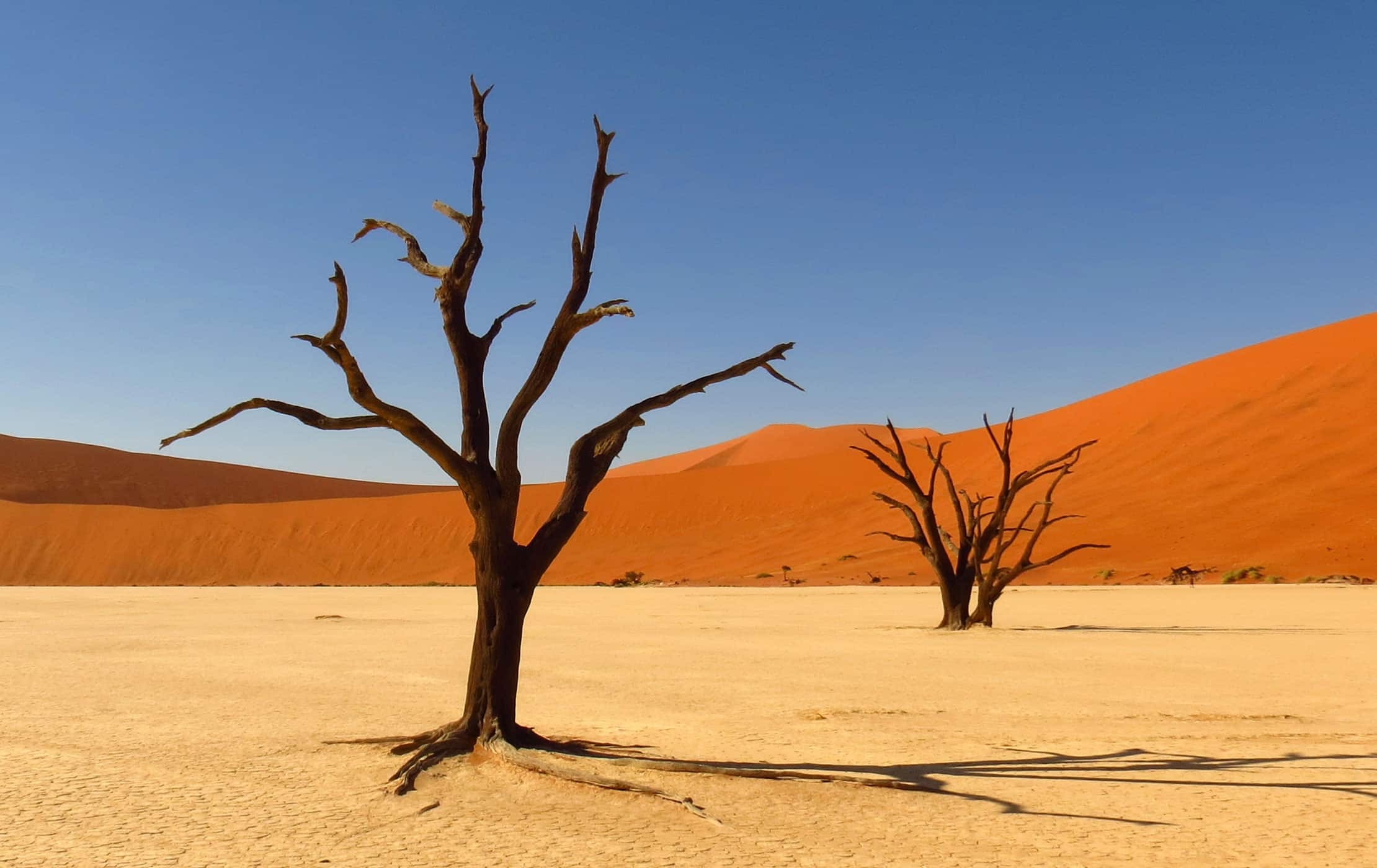
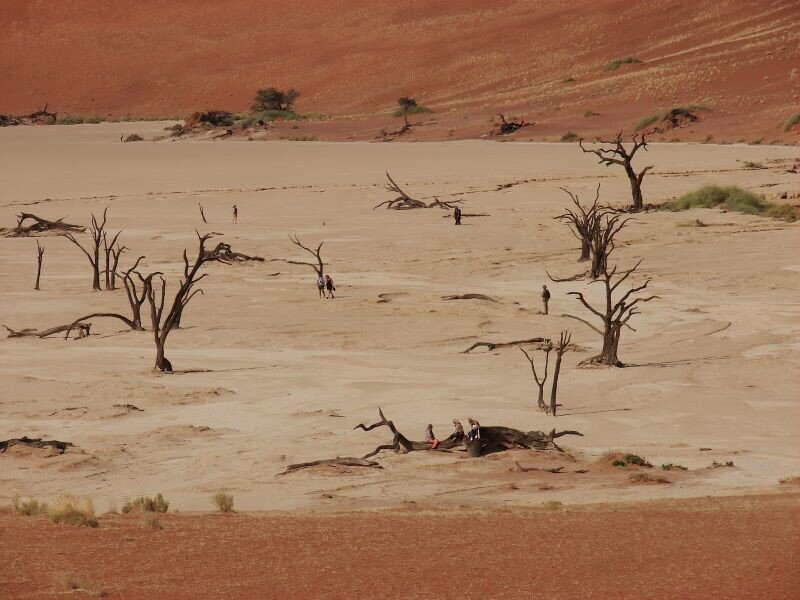
Kalahari Desert in Namibia
It covers a massive part of Southern Africa
The Kalahari spans roughly 900,000 square kilometers. That’s larger than France and Germany combined, and its size is one reason wildlife populations are so spread out and migrations still occur.
The red sand is millions of years old
The iron-rich sand that gives the Kalahari its deep red color is ancient. Winds have been shifting these grains for ages, creating dune systems that move slowly across the landscape.

Red Sand in Kalahari Dessert
The Kalahari supports large wildlife populations
Despite its dryness, the Kalahari hosts lions, cheetahs, brown hyenas, giraffes, zebras, oryx, and many antelope species. These animals rely on seasonal grasses, waterholes, and long-distance movement to survive.
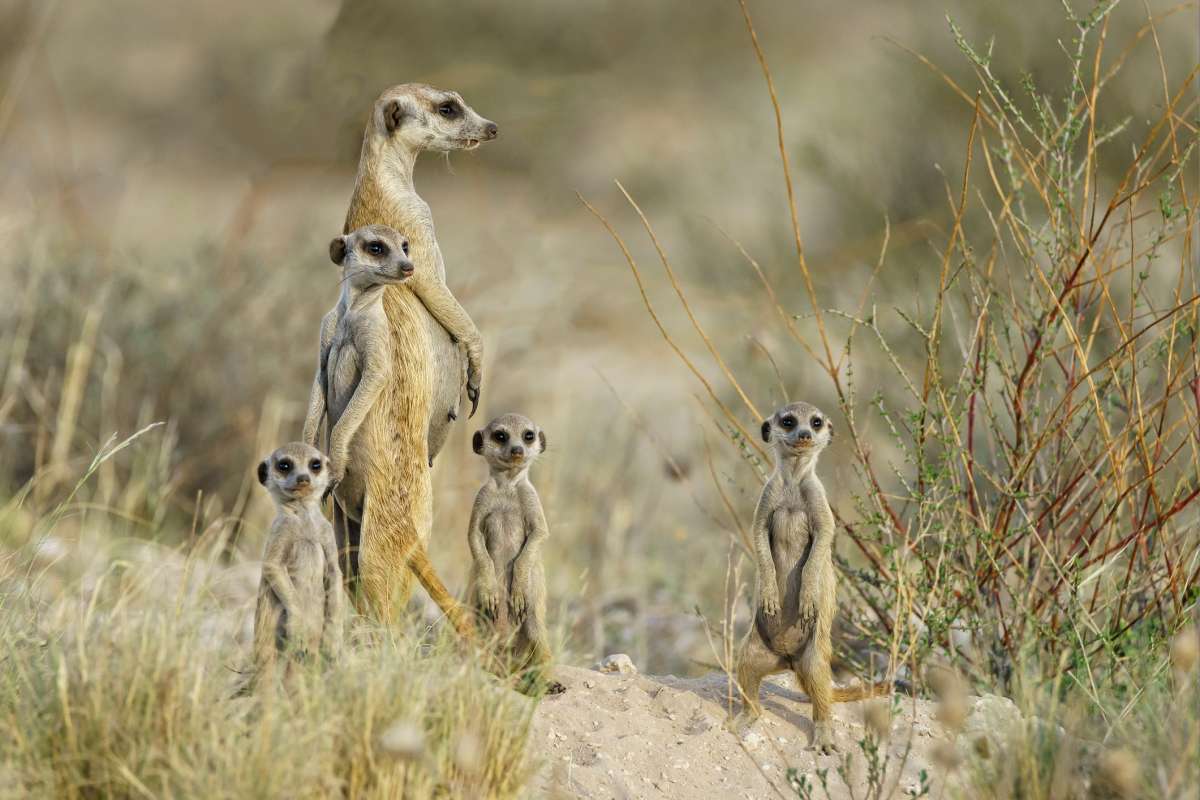
Wildlife in the Kalahari Dessert
It’s home to the Kalahari black-maned lions
These lions are known for the dark, full manes of the males and for living in tougher, drier conditions compared to savanna lions. Their adaptations make them one of the highlights for safari travelers.
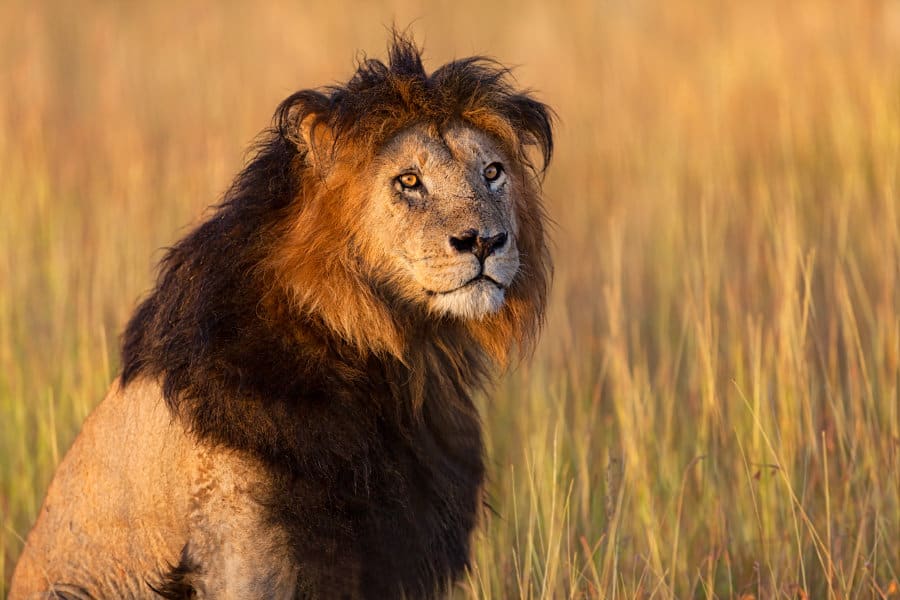
Black Maned Lions of Kalahari Desert
The San people have lived here for thousands of years
The San are among the oldest cultural groups on Earth. Their tracking skills, knowledge of plants, and ability to survive in harsh conditions offer insight into human history and adaptation.
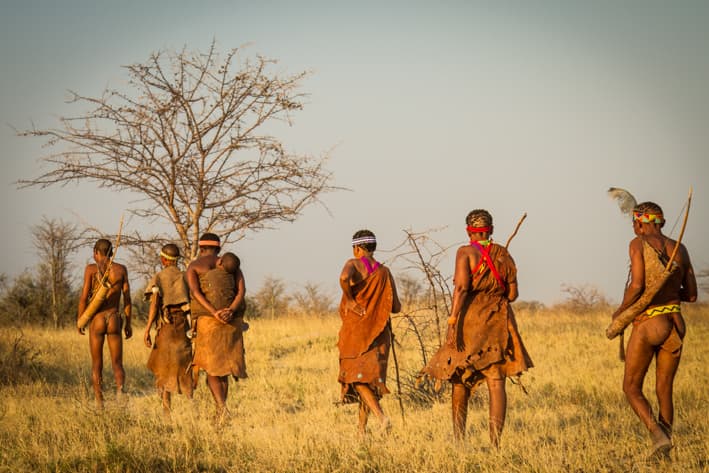
The San people of Kalahari
The Central Kalahari Game Reserve is one of the largest protected areas in the world
This reserve in Botswana is enormous. Its size means fewer roads, minimal development, and safari experiences that give travelers a sense of raw space rarely found elsewhere.
Temperatures shift dramatically
Days can be extremely hot, while nights drop sharply. For travelers, this means packing layers and preparing for both extremes, even in the same day.
The Kalahari is a refuge for desert-adapted species
Animals like the oryx can raise their body temperature safely to avoid overheating. Others, like meerkats, use social structures and burrows to manage the heat.
Plant species in Kalahari
Rain transforms the desert into a green landscape
After seasonal rains, certain areas erupt with green grass, flowers, and birdlife. This period attracts large herds of antelope, along with predators that follow them.