How Much Does an African Safari Cost?
The cost of an African safari depends on the destination, season, and style of travel, but a realistic range for a 6 night and 7 day safari is between $4,500 and $12,000 per person. Value safaris usually start around $4,000 to $5,500 in low season. Mid range or classic safaris often sit between $5,500 and $8,500, while luxury safaris begin at $7,000 in low season and can pass $12,000 during peak travel months. Prices rise the most in places like Botswana and Tanzania, which are known for high quality wildlife areas and limited bed capacity.
Understanding the moving parts makes budgeting clear, predictable, and stress-free.
What You’re Actually Paying For on Safari
A safari price is made up of specific components. Once you understand them, you can easily adjust your itinerary to match your budget - without losing the magic.
Park Entry & Conservation Fees
National parks charge daily entry fees to support wildlife conservation and local communities. These fees vary by country and even by park. Serengeti and Ngorongoro, for example, are on the higher end; parks closer to Arusha or Kigali tend to be more accessible. Since these fees are charged per person, per day, they add up quickly for longer safaris.
Accommodation
This is usually the biggest cost. You’ll generally choose between:
- Budget camping: simple tents, shared facilities, fresh air and stars for free.
- Mid-range lodges or permanent tented camps: comfort, private bathrooms, and great food.
- Luxury lodges: stunning views, stylish interiors, infinity pools, private decks, incredible service.
Accommodation in or near prime wildlife areas naturally costs more - and prices rise sharply in peak season.
Transport & Drivers/Guides
Your choices here shape your experience:
- A shared vehicle spreads the cost across the group.
- A private 4×4 with a professional guide costs more but offers full flexibility, better photography opportunities, and unhurried game drives.
- Fly-in safaris add speed and comfort - but also a higher price tag.
Distances matter too. Parks like Serengeti require longer drives or internal flights, making trips more expensive than, say, a two-park circuit near Arusha.
Meals & Drinks
Most safari packages include full-board meals. Drinks (soft drinks, beer, wine, premium beverages) may or may not be included depending on the lodge style.
Extras & Optional Activities
These aren’t mandatory but often irresistible:
- Hot-air balloon safaris
- Night game drives
- Maasai or local community visits
- Walking safaris
- Boat safaris
Budget for them separately, especially the balloon ride - it’s unforgettable but expensive.
Transfers, Flights & Travel Logistics
Many travellers forget pre- and post-safari costs:
- International and domestic flights
- Airport pickups
- Hotel stays before or after the safari
- Travel insurance
- Visa fees
- Vaccinations or malaria medication
These can add a few hundred dollars to the total trip cost.
Tips & Gratuities
Guides, drivers, cooks, and camp staff rely partly on tips. A well-planned trip should factor in daily tipping guidelines so you’re not surprised at the end.
African Safari Price Guide
The table below gives a simple comparison of what you might expect to pay for a week long safari across popular destinations. It compares low-season and high season rates for value, classic, and luxury levels.
| Destination | Value low season | Value high season | Classic low season | Classic high season | Luxury low season | Luxury high season |
|---|---|---|---|---|---|---|
| Tanzania | $4,000 to $5,000 | $5,000 to $7,500 | $5,500 to $6,500 | $8,000 to $11,000 | $7,000+ | $11,000+ |
| Rwanda | $2,000-$2,500 | $2,500-$3,500 | $3,000-$4,500 | $4,500-$6,500 $6,000+ | $8,000+ | |
| Kenya | $3,800 to $4,800 | $6,000 to $7,200 | $5,000 to $6,500 | $8,000 to $10,000 | $7,000+ | $10,000+ |
| South Africa | $3,500 to $4,500 | $4,500 to $5,500 | $5,000 to $7,500 | $6,000 to $9,000 | $8,000+ | $10,000+ |
| Botswana | $5,500 to $6,500 | $6,500 to $8,500 | $6,000 to $8,500 | $9,000 to $12,000 | $9,000+ | $12,000+ |
These figures are averages taken from the most common trip structures. Remote areas, private conservancies, and exclusive camps can drive costs higher.
Types of Safaris
Most safaris fall into three broad categories. This helps travelers compare experiences fairly and understand which level aligns with their expectations and budget.
Value Safaris
Value safaris focus on authenticity and good game viewing without added luxury. These trips use basic tented camps or simple lodges that still offer comfort and solid guiding. They are ideal for travelers who want a strong wildlife experience without higher price tags.
Expect around $4,000 to $5,500 per person depending on the destination and month of travel.
Travelers can expect
-
Simple tented camps or good 3 to 4 star lodges
-
A focus on wildlife instead of luxury touches
-
Knowledgeable guiding and memorable sightings
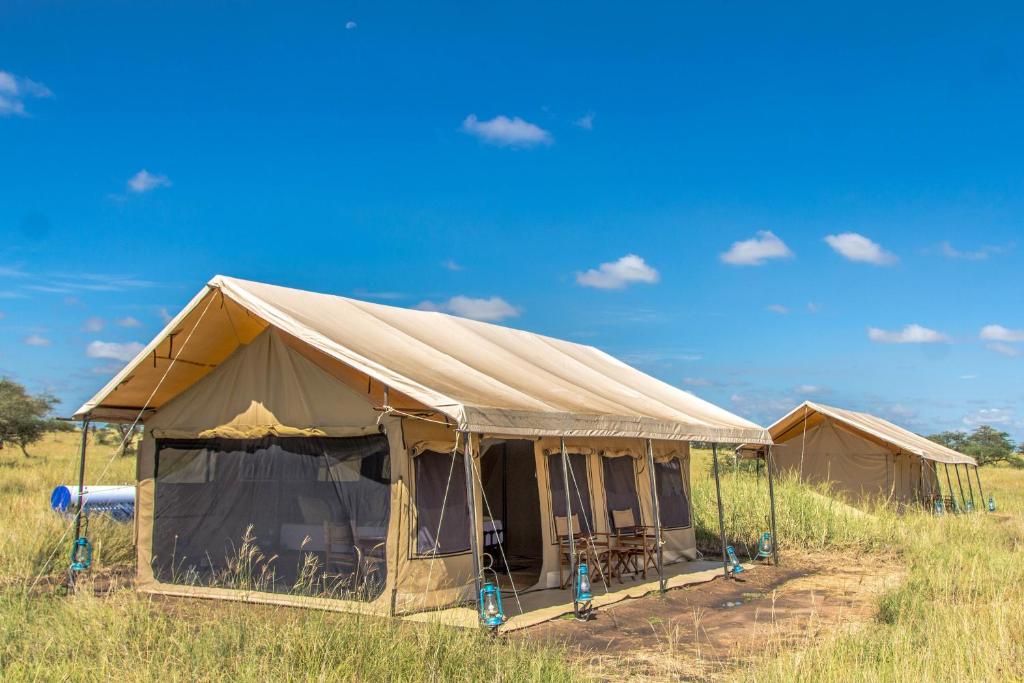
An example of tented camps
Classic Safaris
Classic safaris sit in the middle. They often use high quality lodges and tented camps with very good service, great guides, and reliable comfort. This is the most popular level for first time safari travelers.
Typical cost is $5,500 to $8,500 per person.
Travelers can expect
- Stylish 4 to 5 star camps and lodges
- Excellent food and service
- A balanced mix of comfort, adventure, and strong game viewing
Luxury Safaris
Luxury safaris push the experience into exclusive territories, private reserves, and ultra premium camps. These properties offer personalized service, top guides, very limited guest numbers, and details like private plunge pools and in room dining.
Luxury safaris usually cost $7,000 to $12,000+ per person.
Travelers can expect
- High end 5 star camps and boutique lodges
- Large private suites and premium amenities
- Some of the best guiding teams and exclusive wildlife areas
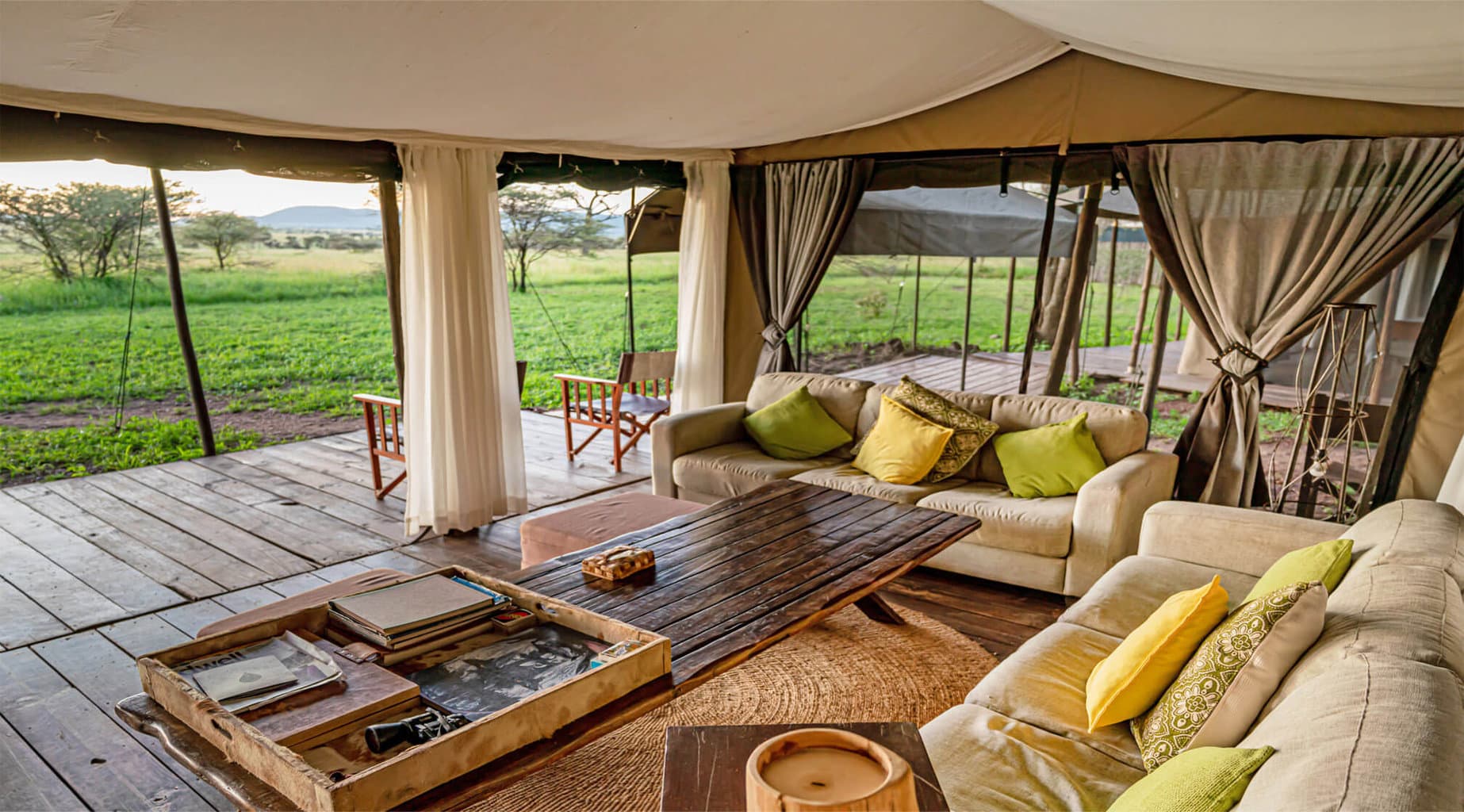
An example of 5 star camp
What Influences the Cost of a Safari?
Safari pricing changes based on several factors. Understanding them helps you plan better and avoid paying more than you should.
Number of Travelers
Prices are normally quoted per person based on two people sharing a room. Solo travelers often pay more because camps add a single supplement. Larger groups can sometimes access lower rates or have single supplements removed if space allows.
How You Move Between Parks
Many safaris rely on small aircraft flights to reach remote camps. These flights are reliable but can add hundreds to the budget. In some destinations, a road transfer is cheaper and works well if distances are short. Helicopters, private transfers, or special activities like horseback safaris will naturally increase costs.
Special Interests or Activities
Gorilla trekking, professional photography sessions, private guides, hot air balloon rides, or walking safaris often have their own fees. Permits for activities like gorilla trekking can significantly increase the final total.
Month of Travel
This is one of the biggest cost drivers. Peak season is more expensive in places like the Serengeti, Maasai Mara, and Okavango Delta. Traveling in low or shoulder season can cut the price of the same safari by nearly half. Travelers who are flexible with dates always find better rates.
Style of Accommodation
Safari lodges vary widely. Even within the high end category there are different levels. Authentic tented camps are cheaper than boutique luxury lodges with private pools and very few rooms. Some areas have more supply which keeps rates lower, while remote parks have limited beds and therefore higher prices.
Length of Stay
Most travelers spend three to four nights in each park. Nights in the bush are typically the most expensive part of the trip. Adding time on the beach, such as in Zanzibar or the Kenyan coast, often balances the budget while giving you a relaxed ending to the safari.
Destination Choice
Popular parks like the Serengeti, Kruger, and Maasai Mara tend to be easier and cheaper to access. Remote places like Ruaha, Nyerere, Mana Pools, or the Lower Zambezi can be more costly due to longer internal flights or limited camp space. Your preferences can shift the final cost significantly.
Our Expert Recomendation
An African safari can be tailored to match almost any budget as long as you understand the main cost drivers. Whether you are planning a value adventure or a luxury escape, the key is choosing the right season, the right destination, and the right operator. A safari is a major investment, but the rewards in wildlife, culture, and lifelong memories make every dollar worth it.