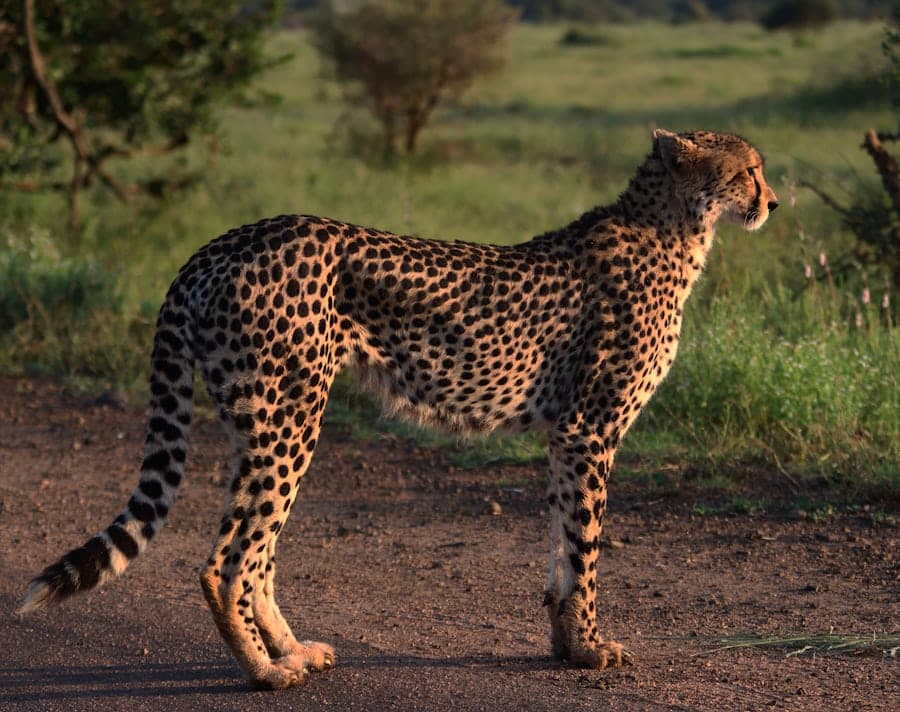
Cheetah
Where to see Cheetah in Ngorongoro
The fastest land animal, known for its sleek build and lightning-fast sprints.
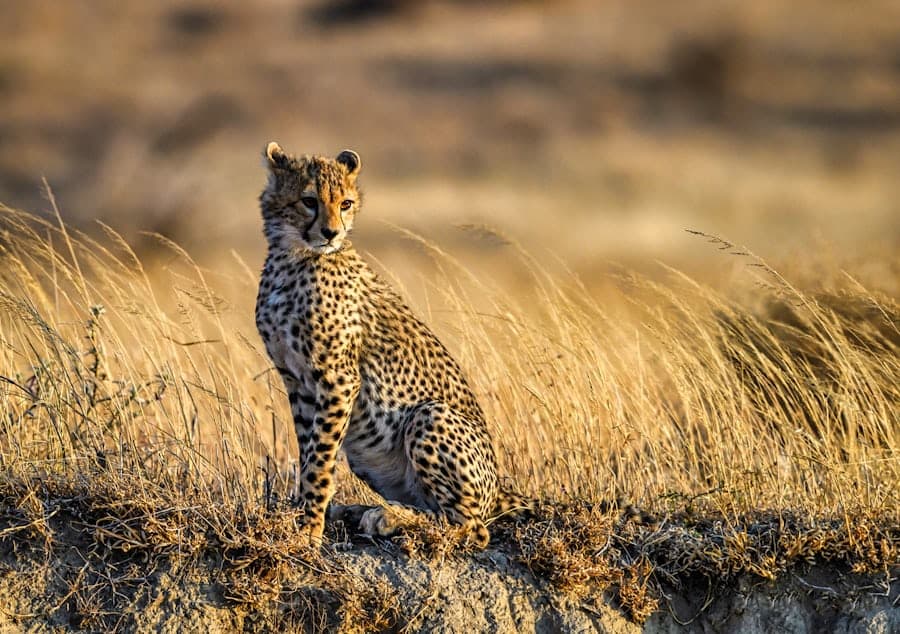
Quick Facts about Cheetah
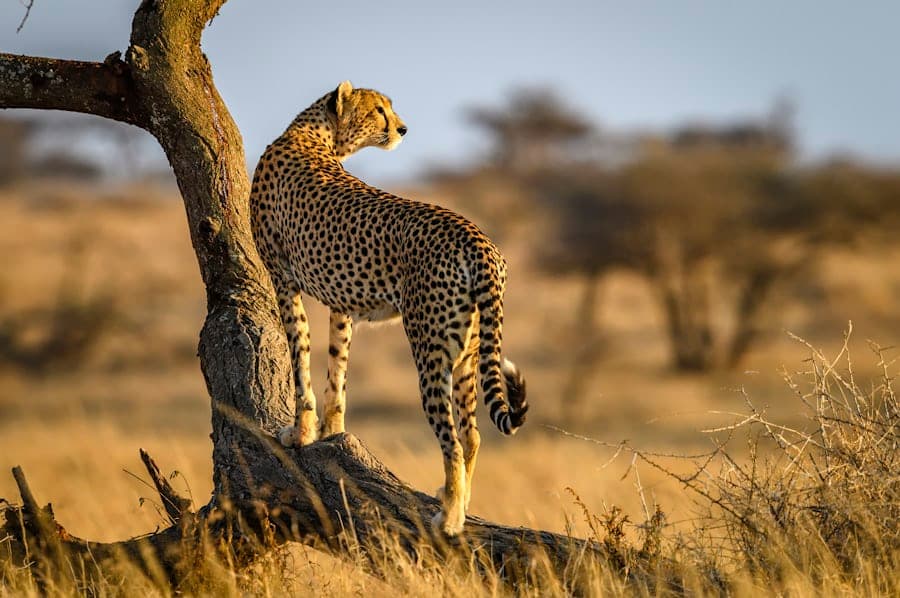
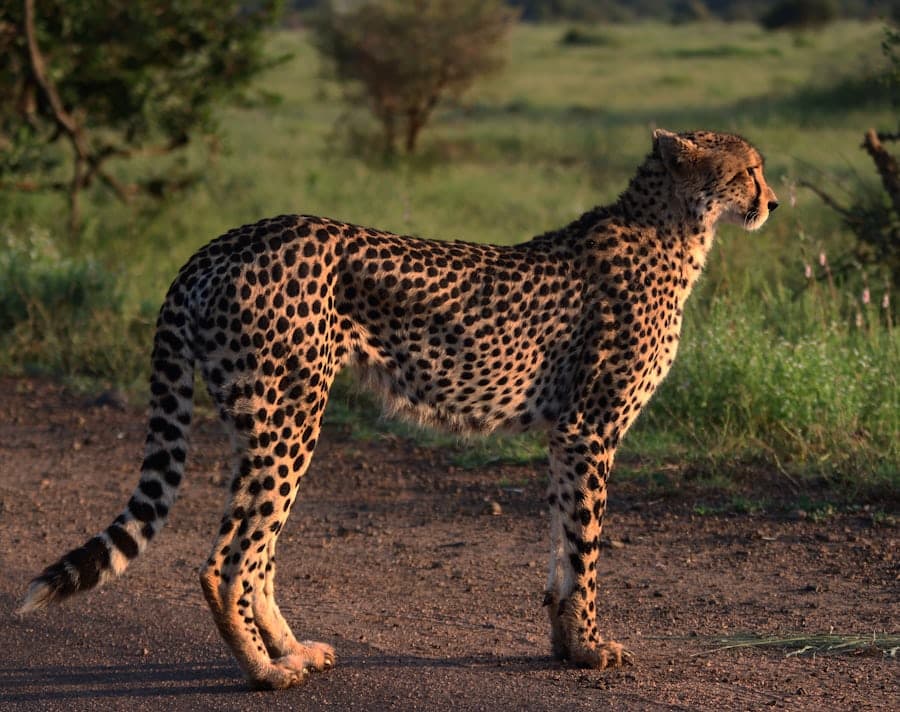
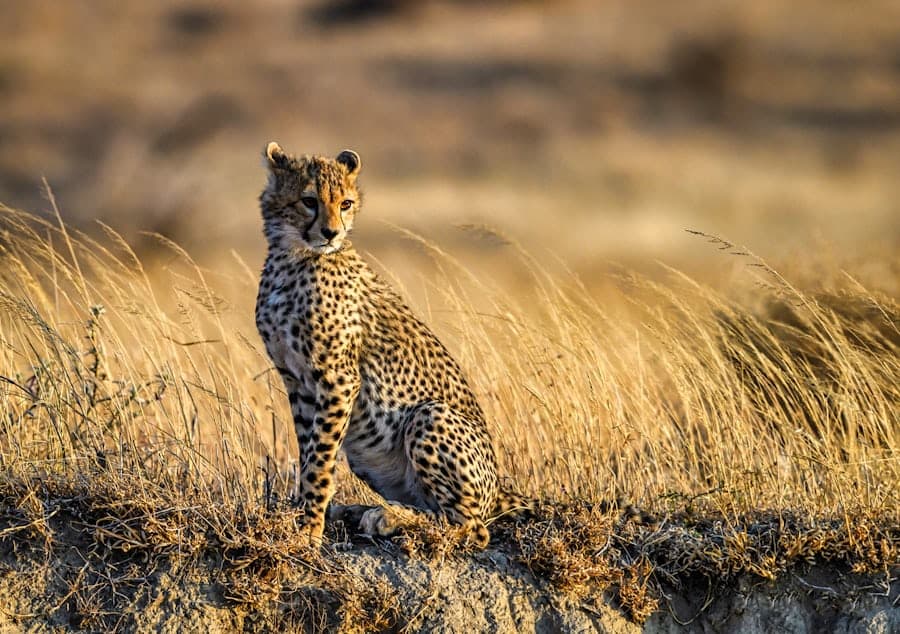
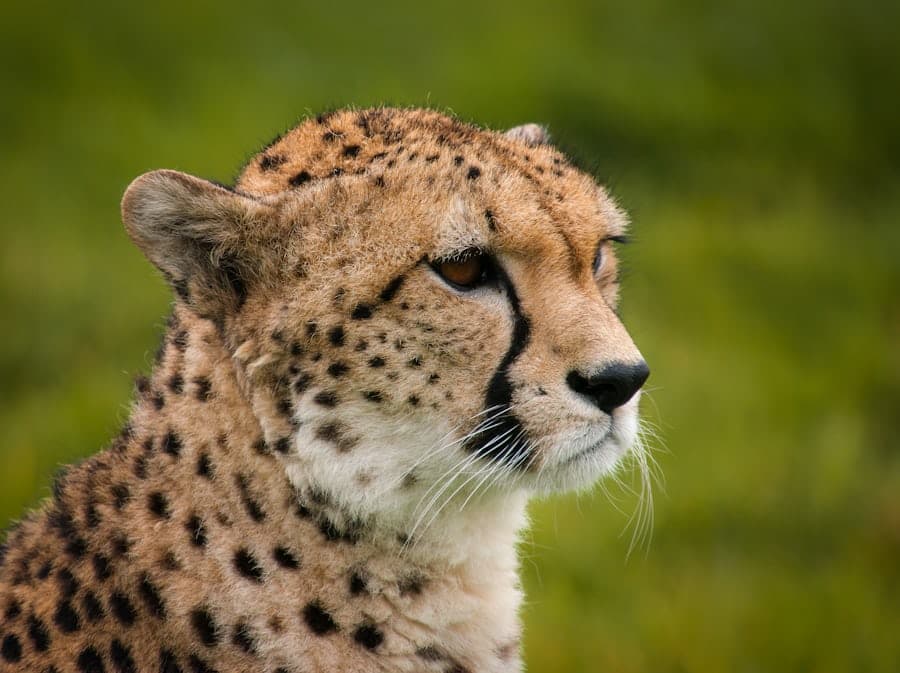
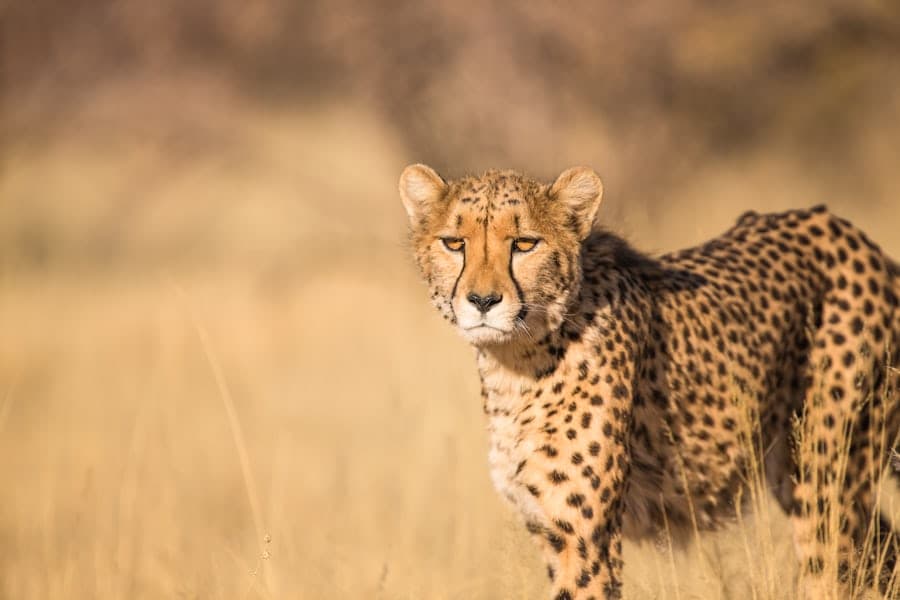
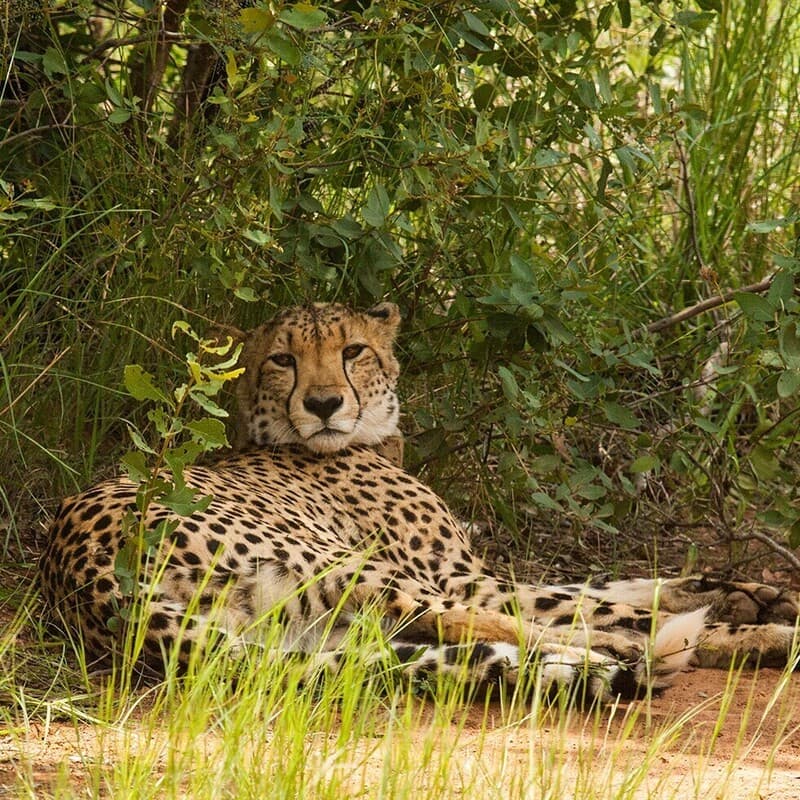
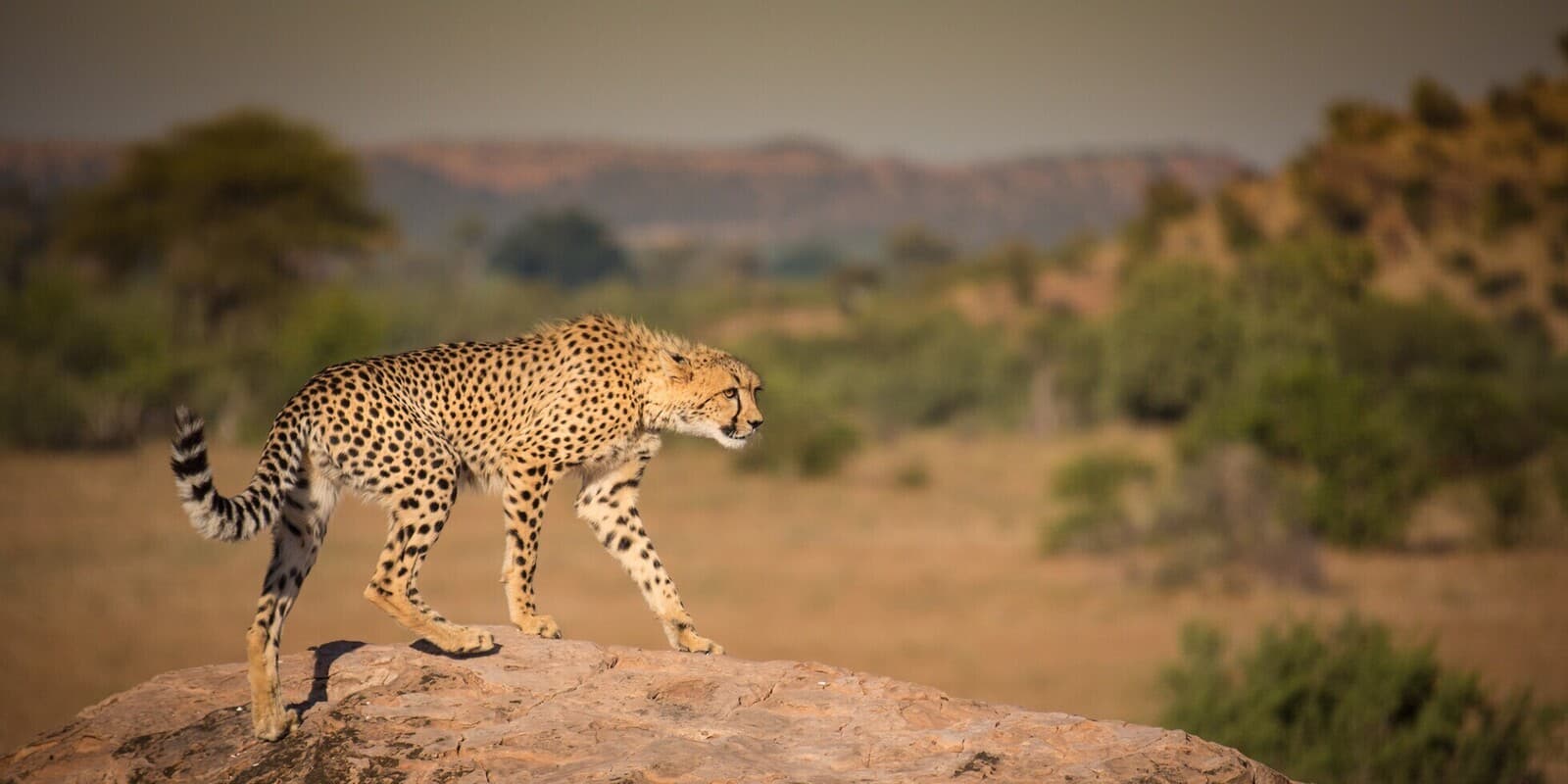
Cheetahs are medium-sized cats with a slender, aerodynamic build that allows them to reach speeds of up to 110 km/h in short bursts. They have distinctive black tear marks on their faces, which help reduce glare while hunting. Unlike lions or leopards, cheetahs rely on speed and stealth rather than strength to catch prey.
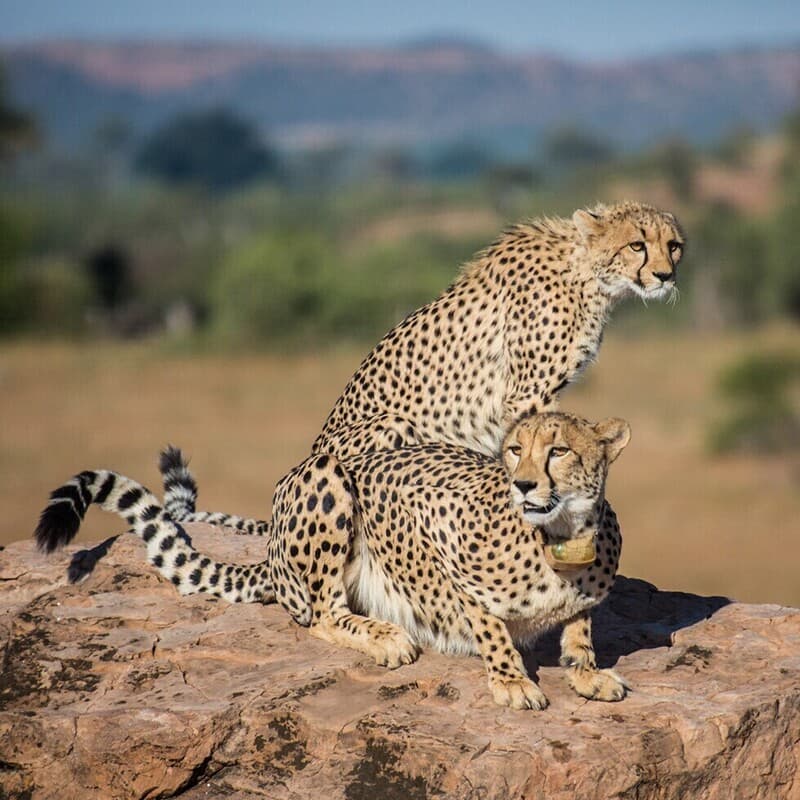
Cheetahs are solitary or live in small family groups, with mothers raising cubs alone. They hunt primarily during daylight to avoid competition with larger predators. Their diet consists mainly of gazelles and smaller antelope species, which they chase in explosive sprints. Despite their incredible speed, cheetahs face significant threats from habitat loss and predation on cubs.
Observing cheetahs in the wild provides a rare glimpse into agile hunting strategies and social dynamics. They are masters of stealth and acceleration, making their brief but dramatic hunts some of the most thrilling moments in African wildlife viewing.
Up to 110 km/h
60–70 kg
90–95 cm
10–12 years
Safaris where you can see Cheetah in Ngorongoro
2-Day Tanzania Leisure Safari
4-Day Safari in Serengeti, Ngorongoro and Tarangrire NP

3-Day Ngorongoro Crater, Tarangire and Lake Manyara NP
2-Day Safari from Z'Bar to Serengeti & Ngorongoro Crater
4-Day Tanzania Northern Circuit Experience
4-Day Private Safari Migration Spot Northern Serengeti
Where to see Cheetah in Ngorongoro
Cheetahs are present on Ngorongoro Crater’s open grasslands and slopes.
Top tips for viewing Cheetah
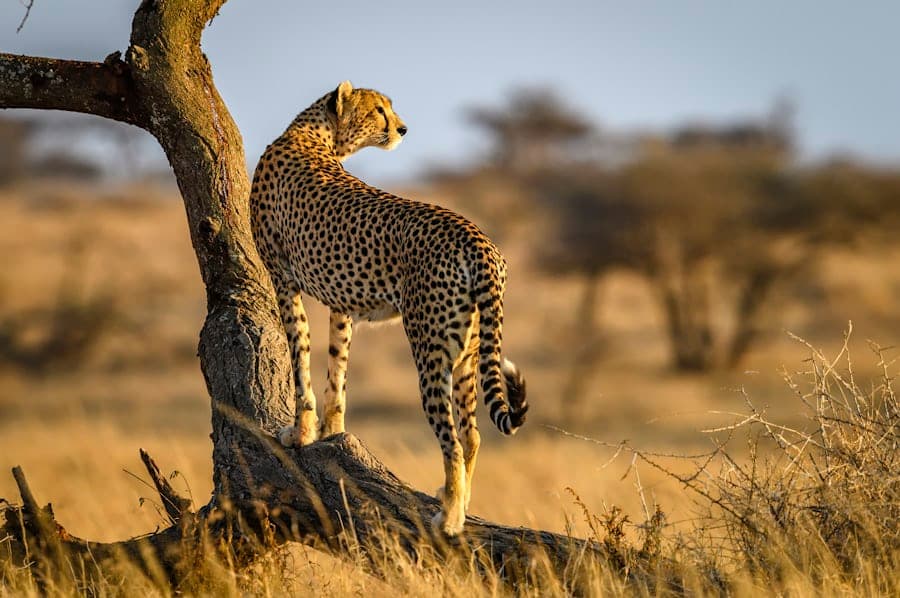
Ngorongoro Crater hosts cheetahs across the open plains and grassy slopes. Their slender bodies and spotted coats allow them to blend into the landscape while stalking prey.
They often hunt smaller antelopes and gazelles, relying on speed rather than strength. Observing their movements and resting patterns provides insight into their energy management and social interactions.
Guided drives in the cooler hours of morning and late afternoon offer the best chance to see active hunting behaviour. Tracking signs such as scat or paw prints may indicate nearby individuals.
Frequently Asked Questions
Find answers to the most common questions about this tour.
1
Where do cheetahs live in Ngorongoro?
Open plains and grassy slopes, using camouflage to approach prey.
2
When are they most active?
Early morning and late afternoon.
3
How do they catch prey?
By stealth and short bursts of extreme speed, targeting smaller antelopes.
4
Can visitors see hunting?
Yes, but sightings are rare and require patience and guidance.
5
Tips for safari?
Use guides to locate areas with recent sightings and tracks.