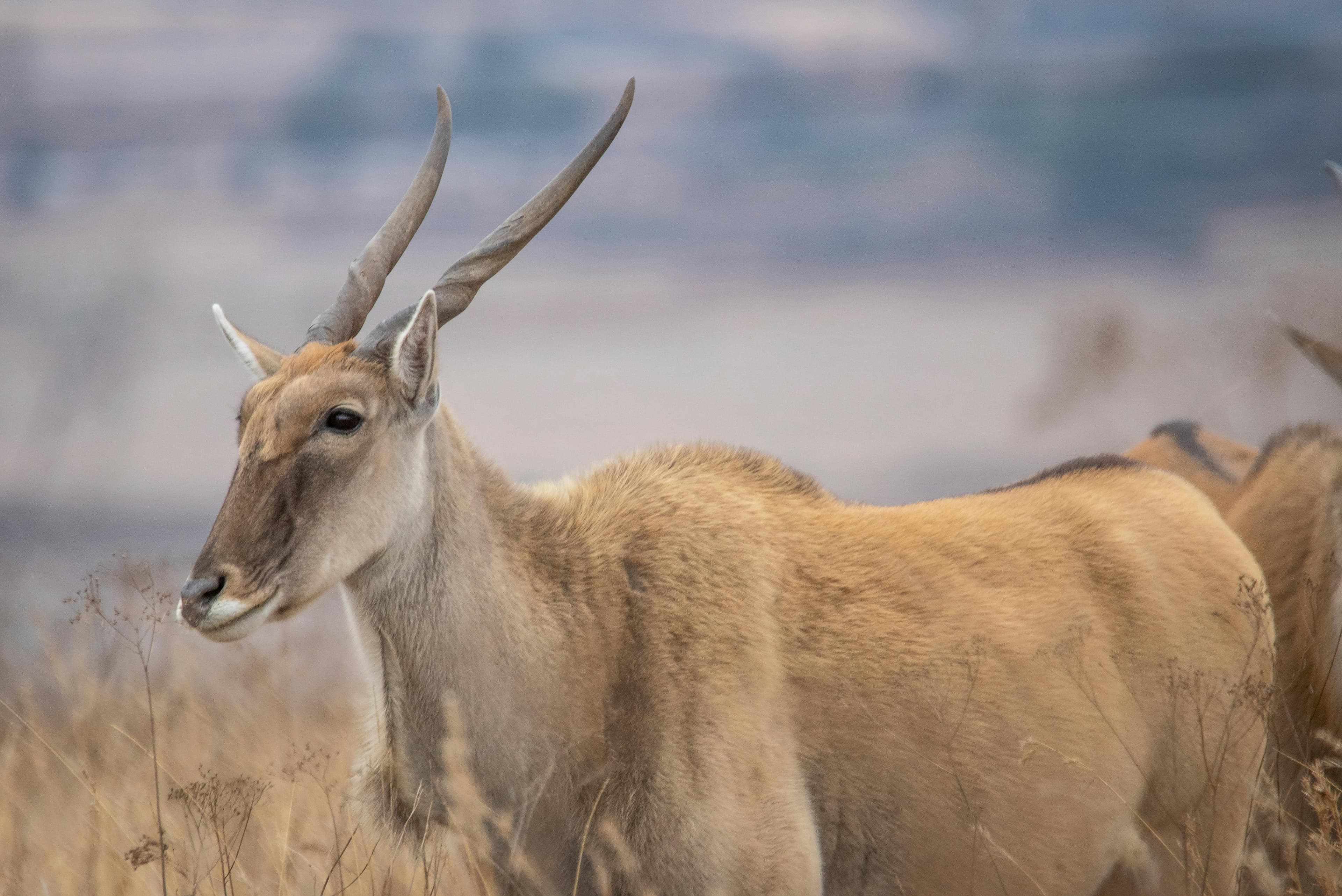
Eland
Where to see Eland in Serengeti
The largest antelope in Africa, known for its graceful horns and calm nature.
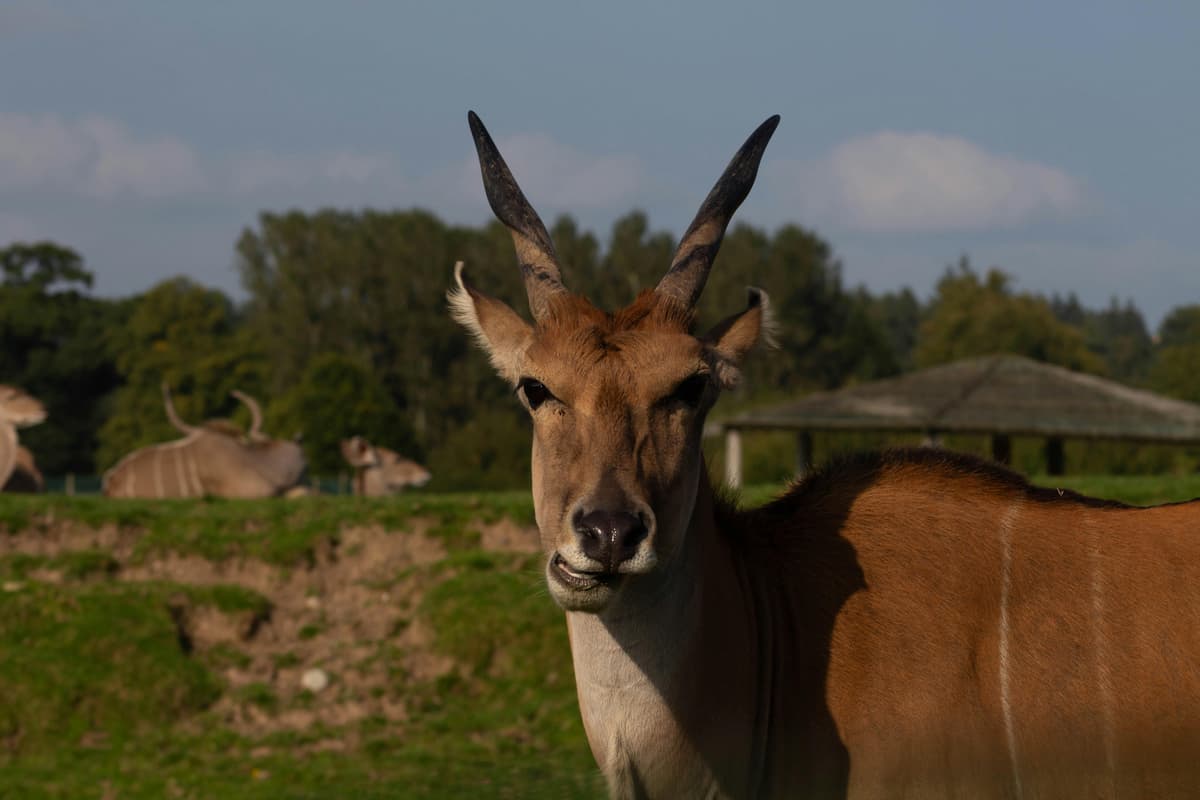
Quick Facts about Eland
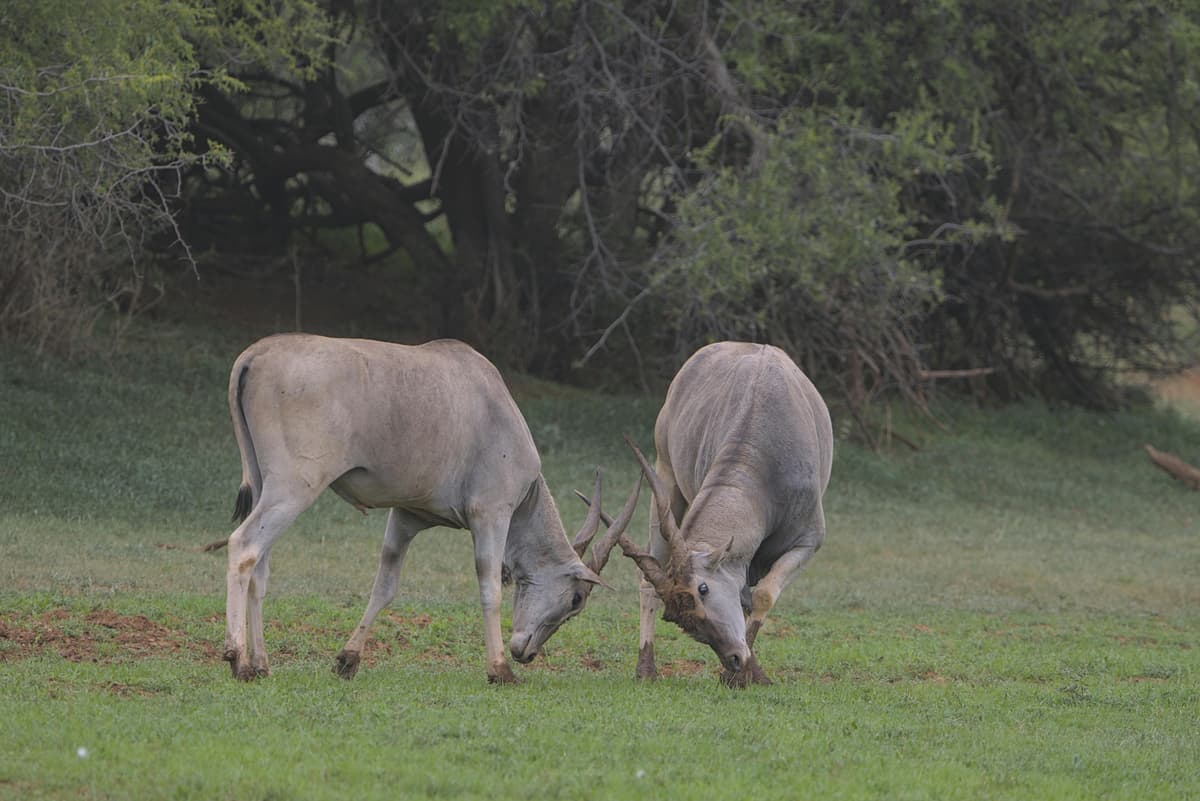
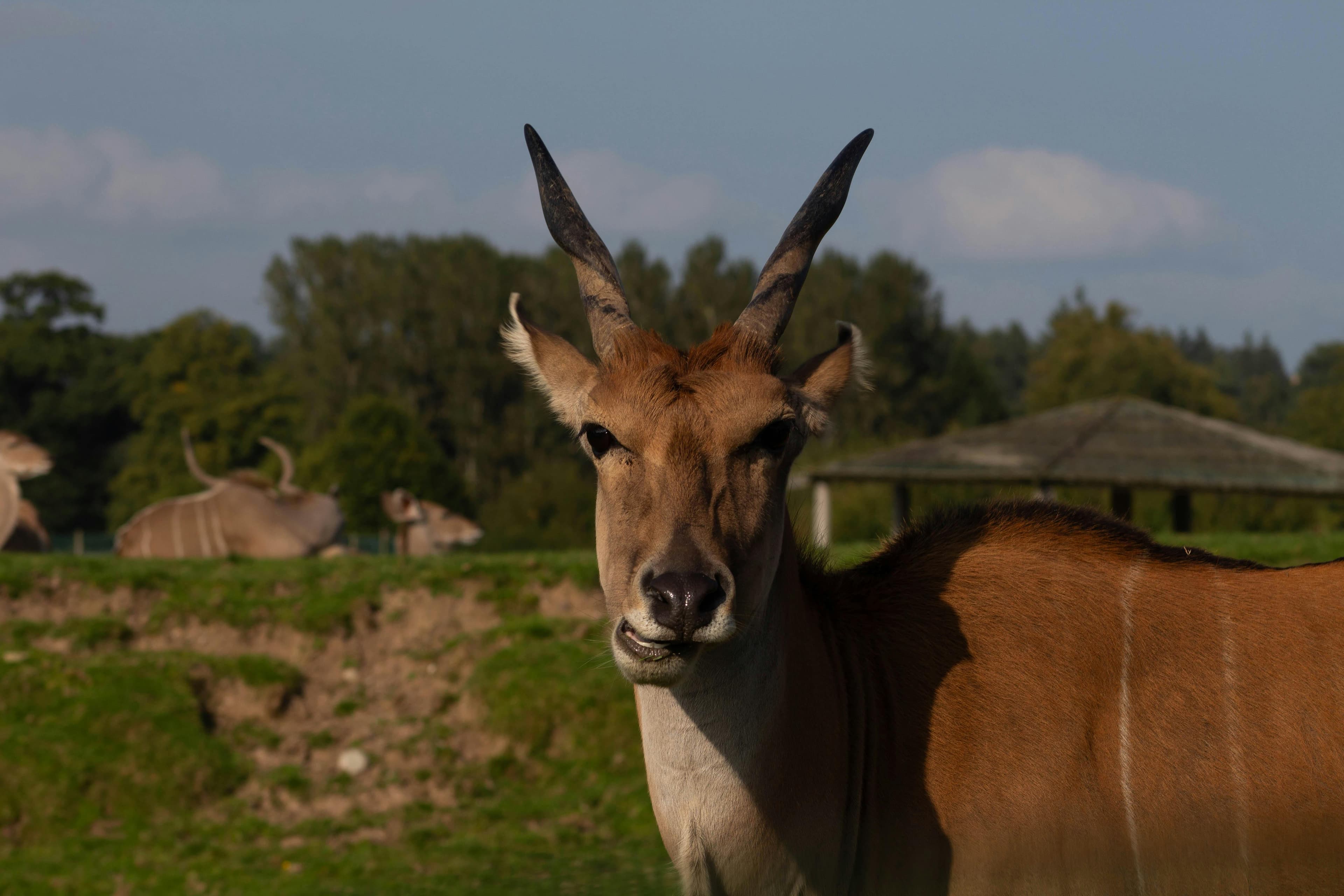
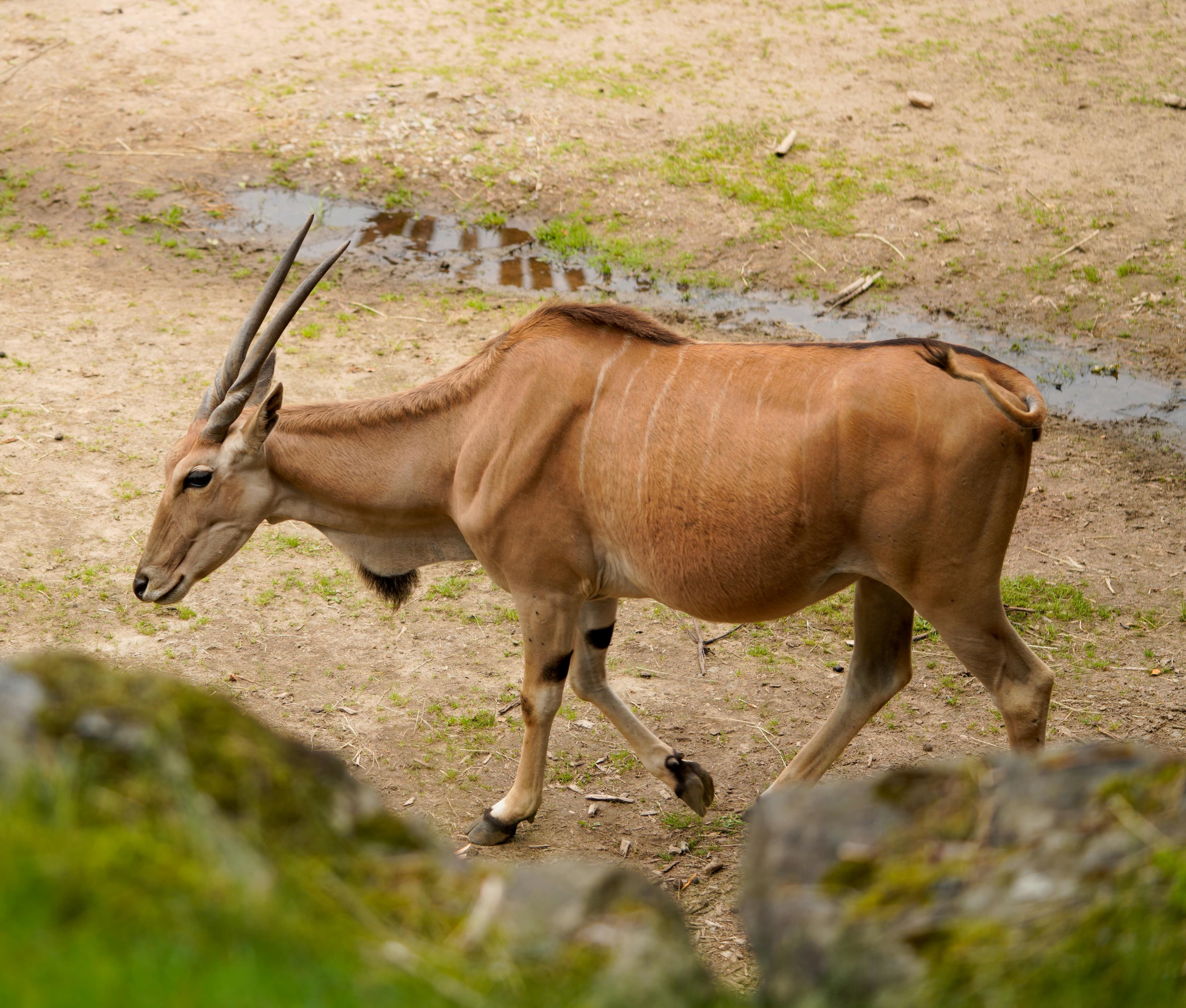
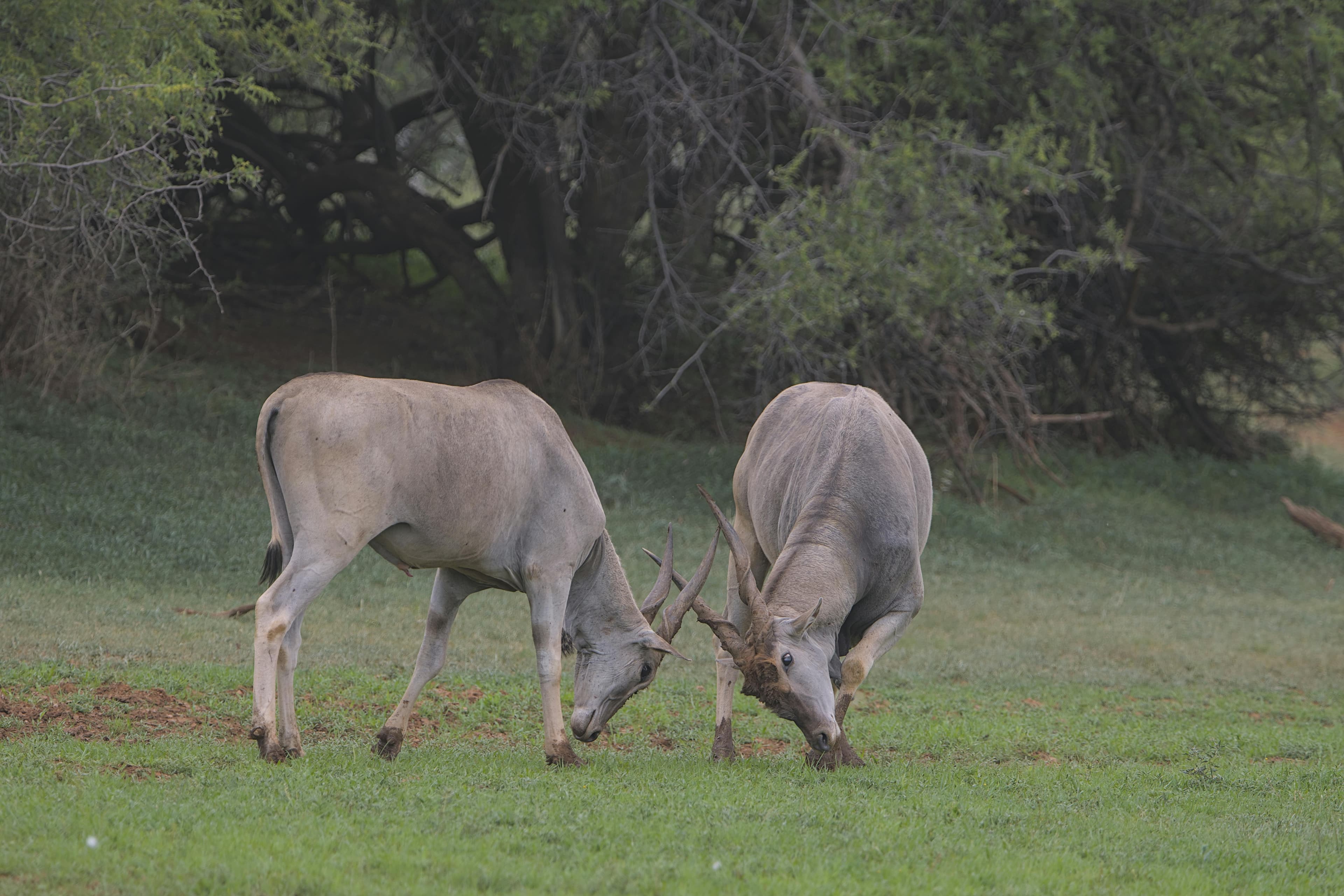
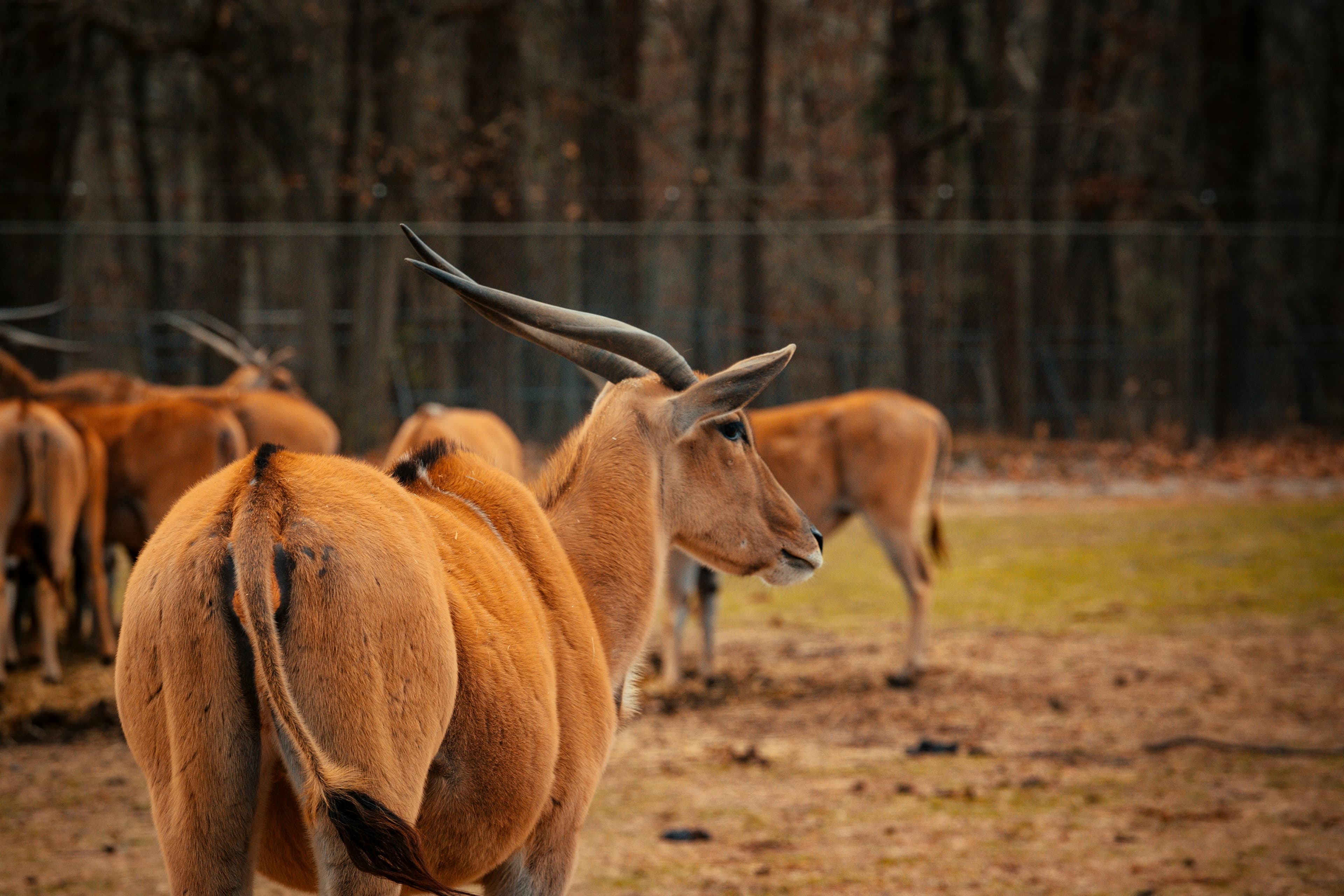
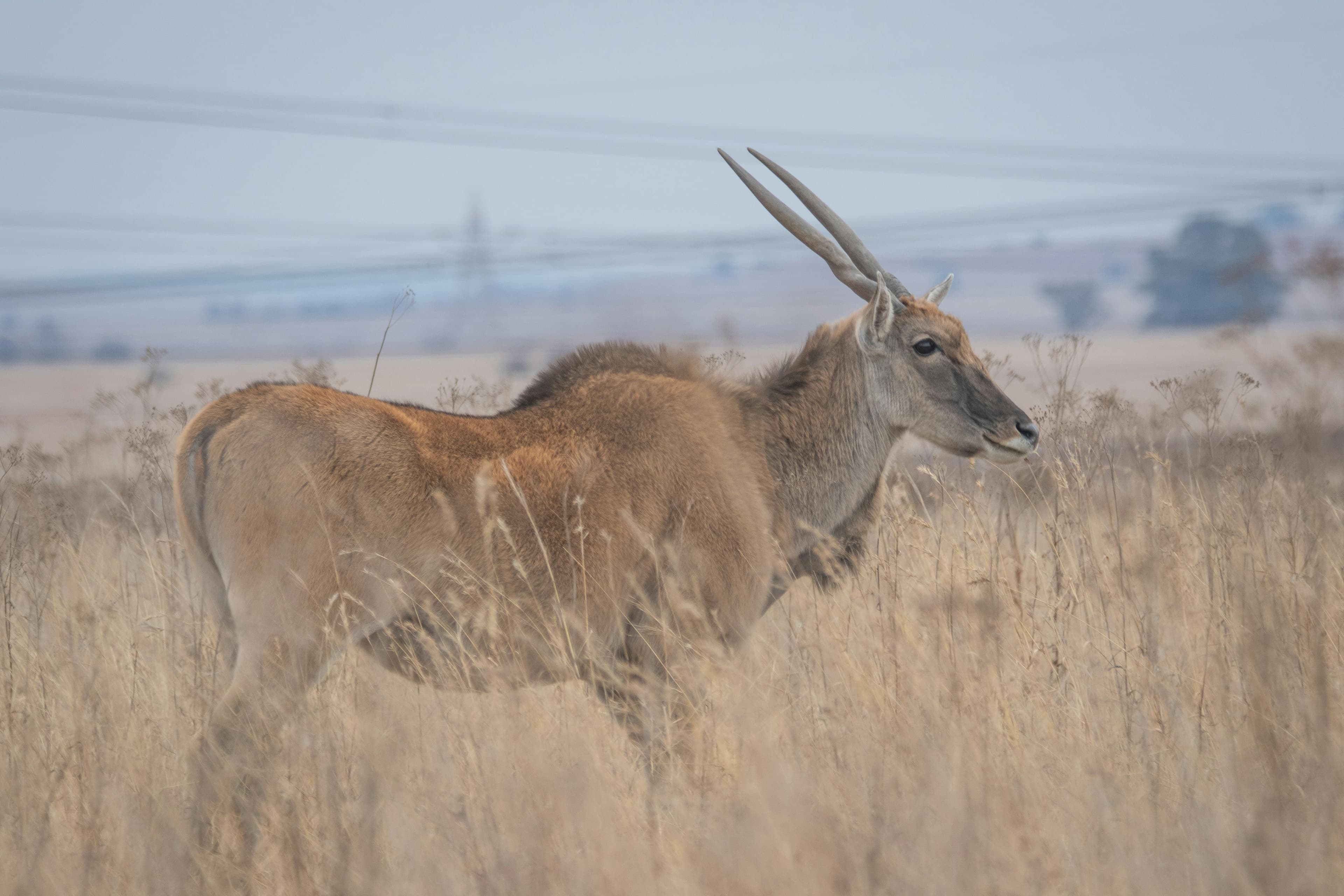
Elands are the largest antelopes in Africa, recognised by their impressive spiral horns and tall, sturdy bodies. They inhabit savannahs, open woodlands, and grasslands, feeding on a variety of leaves, grasses, and fruits. Known for their calm and social nature, elands often form small herds that can travel long distances in search of water and fresh forage.
These gentle giants play an important ecological role by grazing on shrubs and trees, shaping the vegetation and creating opportunities for smaller herbivores. Their alertness and strong sense of smell help them detect predators, while their large size and powerful legs allow them to flee quickly when threatened.
Elands give birth to single calves that grow quickly and remain under maternal care for months. Their herds are fluid, sometimes joining with other antelope species, which can lead to fascinating mixed-species interactions on the African plains.
Up to 1,000 kg
Spiral horns
10–15 years
6–8 km/h
Safaris where you can see Eland in Serengeti
4-Day Safari in Serengeti, Ngorongoro and Tarangrire NP
2-Day Safari from Z'Bar to Serengeti & Ngorongoro Crater
4-Day Tanzania Northern Circuit Experience
4-Day Private Safari Migration Spot Northern Serengeti
5-Day Budget-Private Serengeti, Ngorongoro, Tarangire
3-Day Tanzania Mid-Range Honeymooners Fly-in Safari
Where to see Eland in Serengeti
Africa’s largest antelope across Serengeti’s plains
Top tips for viewing Eland
In Serengeti National Park, eland roam widely but are often overlooked because of their shy nature and preference for scattered woodland at the edges of open plains. Early morning or late afternoon game drives offer the best chance of spotting them.
Frequently Asked Questions
Find answers to the most common questions about this tour.
1
How big is an eland?
Adult males can weigh up to 900 kg, making them the largest African antelope.
2
Are eland easy to spot in Serengeti?
They’re widespread but shy; dawn and dusk drives increase your chances.
3
What do eland eat?
They browse leaves and shoots but also graze on grasses depending on season.
4
Do eland form large herds?
Usually small to medium groups; large aggregations sometimes occur seasonally.
5
Where in Serengeti should I look for eland?
They favour open woodland and the edges of plains rather than the centre of big migrations.