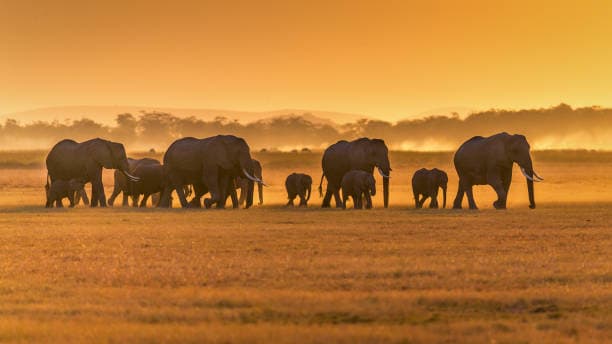
Elephant
Where to see Elephant in Arusha
Africa’s largest land mammal, known for intelligence, family bonds, and landscape-shaping behaviour.
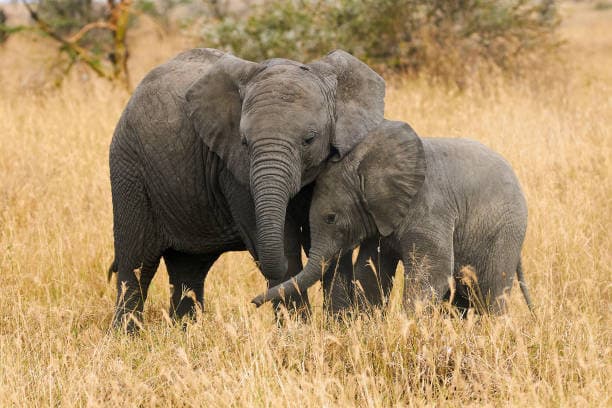
Quick Facts about Elephant
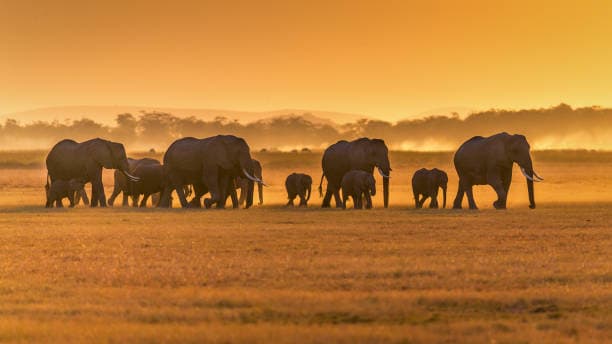
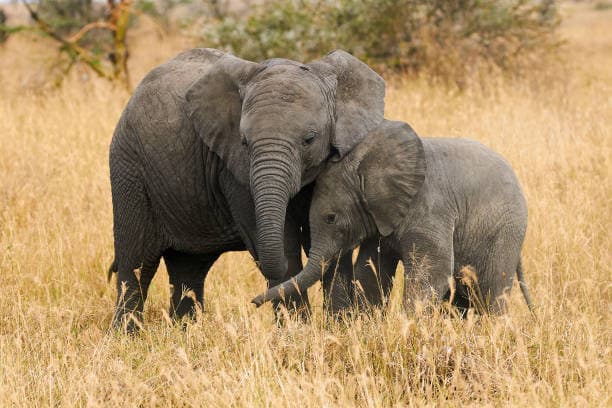
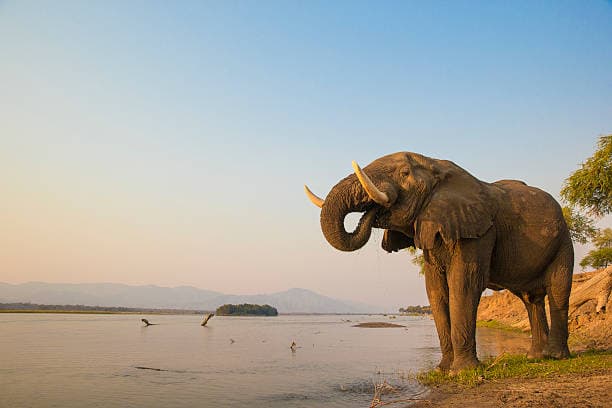
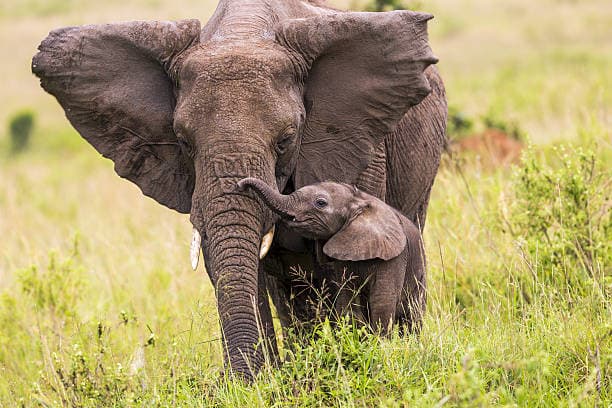
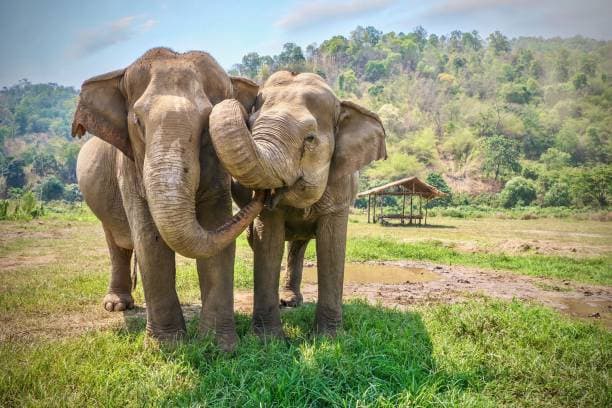
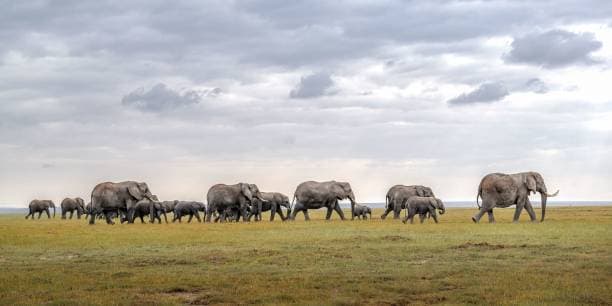
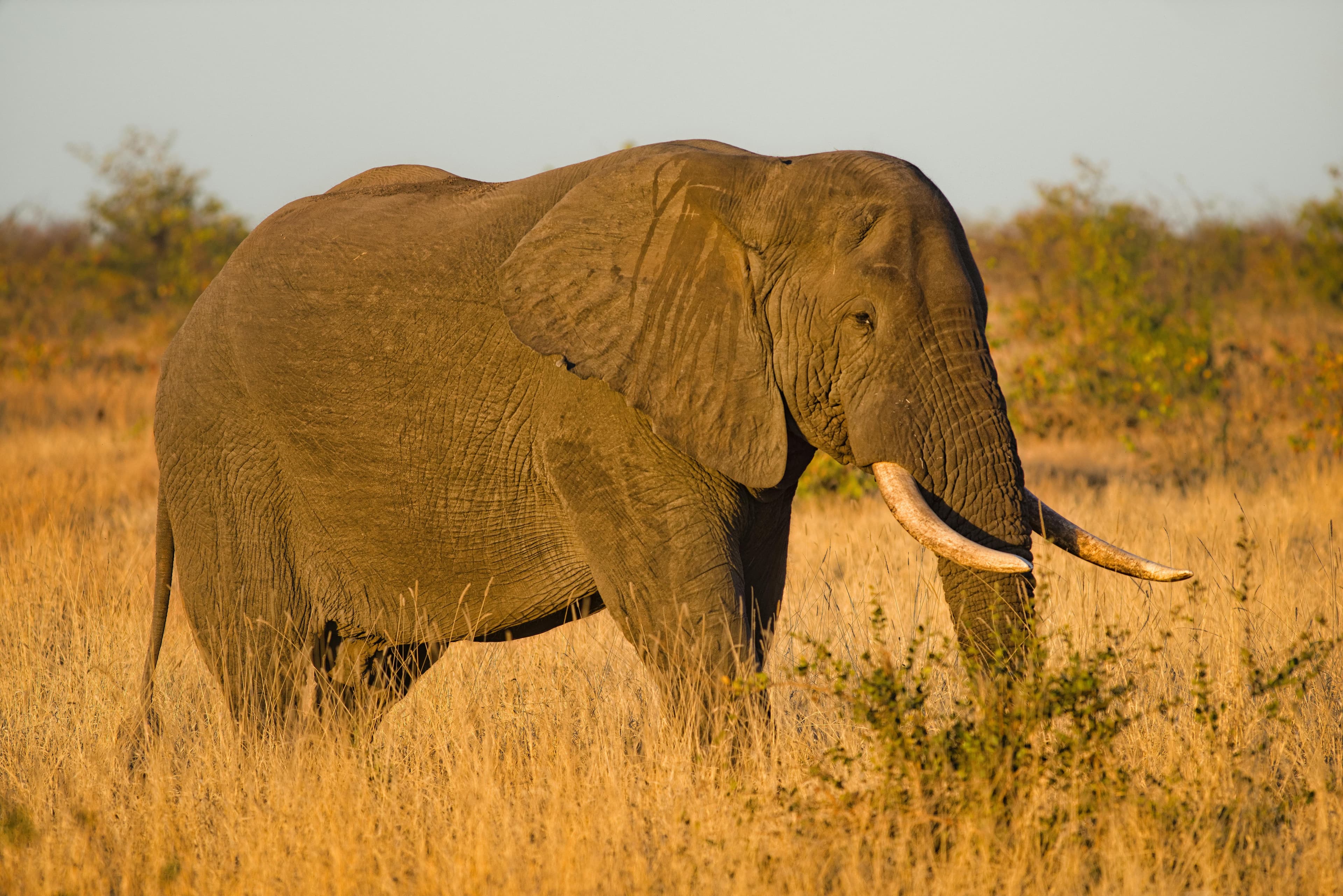
African elephants are iconic giants of the savannah and forest, using their trunks and tusks to feed, dig for water, and interact socially. Herds are matriarchal, with experienced females leading family groups that care collectively for calves. Bulls may roam singly or in bachelor groups after leaving the herd.
Elephants are ecosystem engineers: they create waterholes, disperse seeds, and forge paths that benefit many other species. Their low-frequency rumbles can travel for kilometres, allowing them to communicate over long distances, while strong memory guides seasonal movements between feeding and watering areas.
Savannah and forest elephants are adapted to different habitats. Calving is slow, with mothers investing heavily in a single calf, ensuring survival in predator-rich landscapes. Observing elephants in the wild provides insight into social cohesion, intelligence, and environmental impact.
Up to 6 tonnes
60–70 years
2 species
~8 litres
Safaris where you can see Elephant in Arusha
Where to see Elephant in Arusha
Small but rewarding elephant sightings near Momella Lakes.
Top tips for viewing Elephant
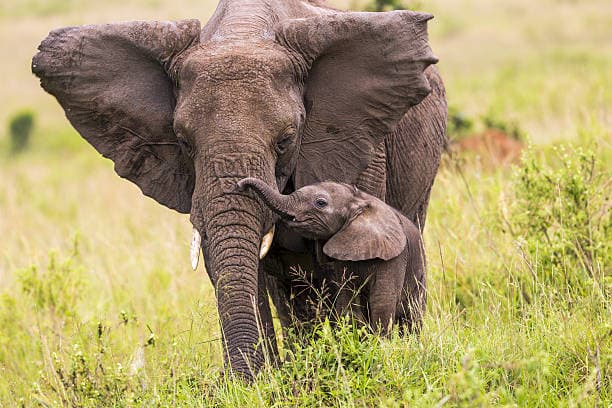
Arusha National Park supports a modest population of elephants, mainly in the quieter areas away from tourist hubs. Sightings are less predictable than in larger parks but still possible on patient game drives.
They’re most often encountered in the wooded grasslands near Momella Lakes or moving between forest patches. Because of the park’s compact size, an entire day exploring increases your chances of an encounter.
Spotting elephants here offers a bonus to a park already known for its scenery and walking safaris. Rangers sometimes track their movements, allowing visitors to enjoy close but safe views.
Frequently Asked Questions
Find answers to the most common questions about this tour.
1
Are elephants common in Arusha NP?
They’re present but less numerous.
2
Where to look?
Wooded grasslands near Momella Lakes.
3
Any special tours?
Ranger-led walks sometimes show fresh elephant signs.
4
Best time?
Dry season slightly increases chances.
5
Is it safe?
Yes, guided by rangers where required.