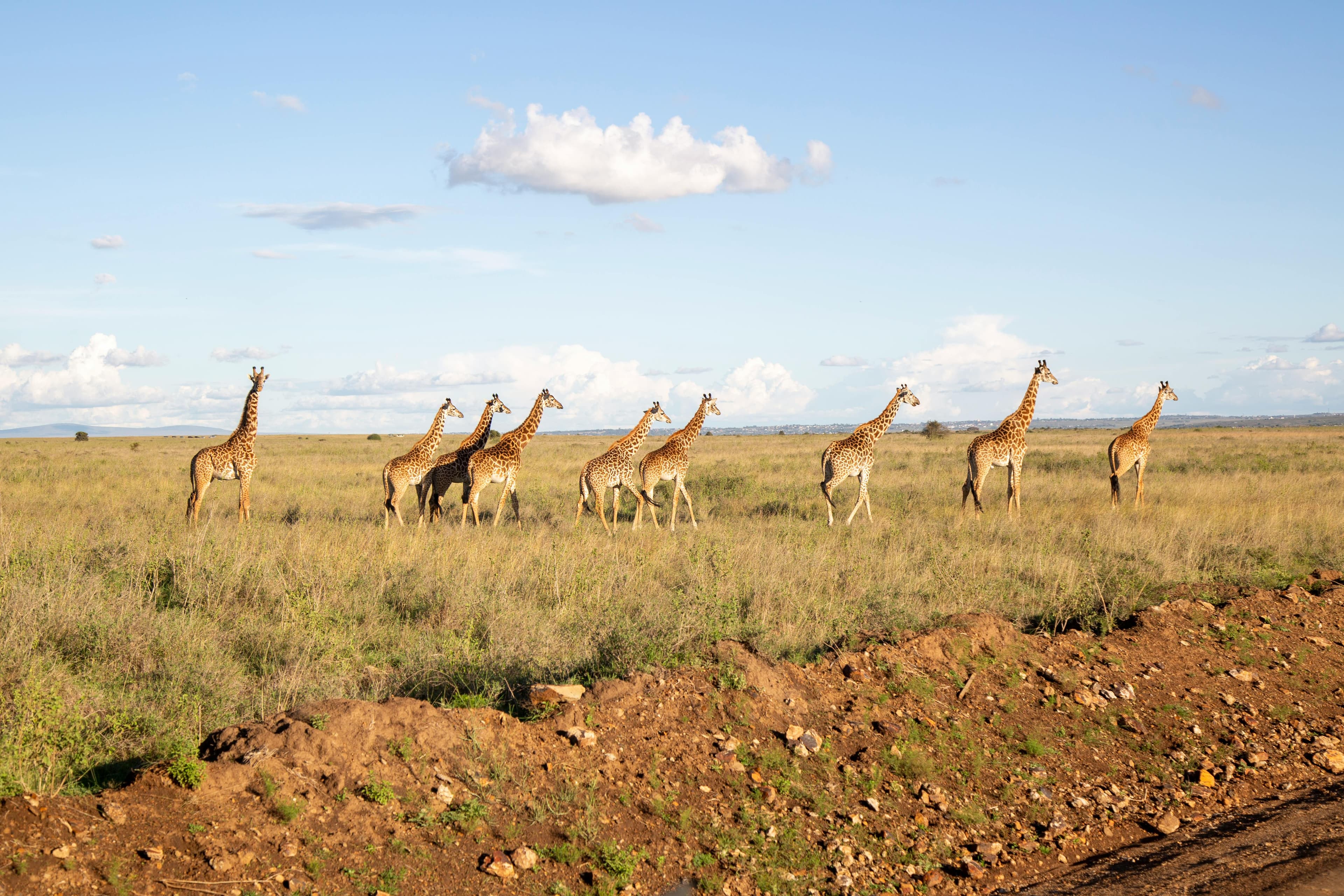
Giraffe
Where to see Giraffe in Arusha
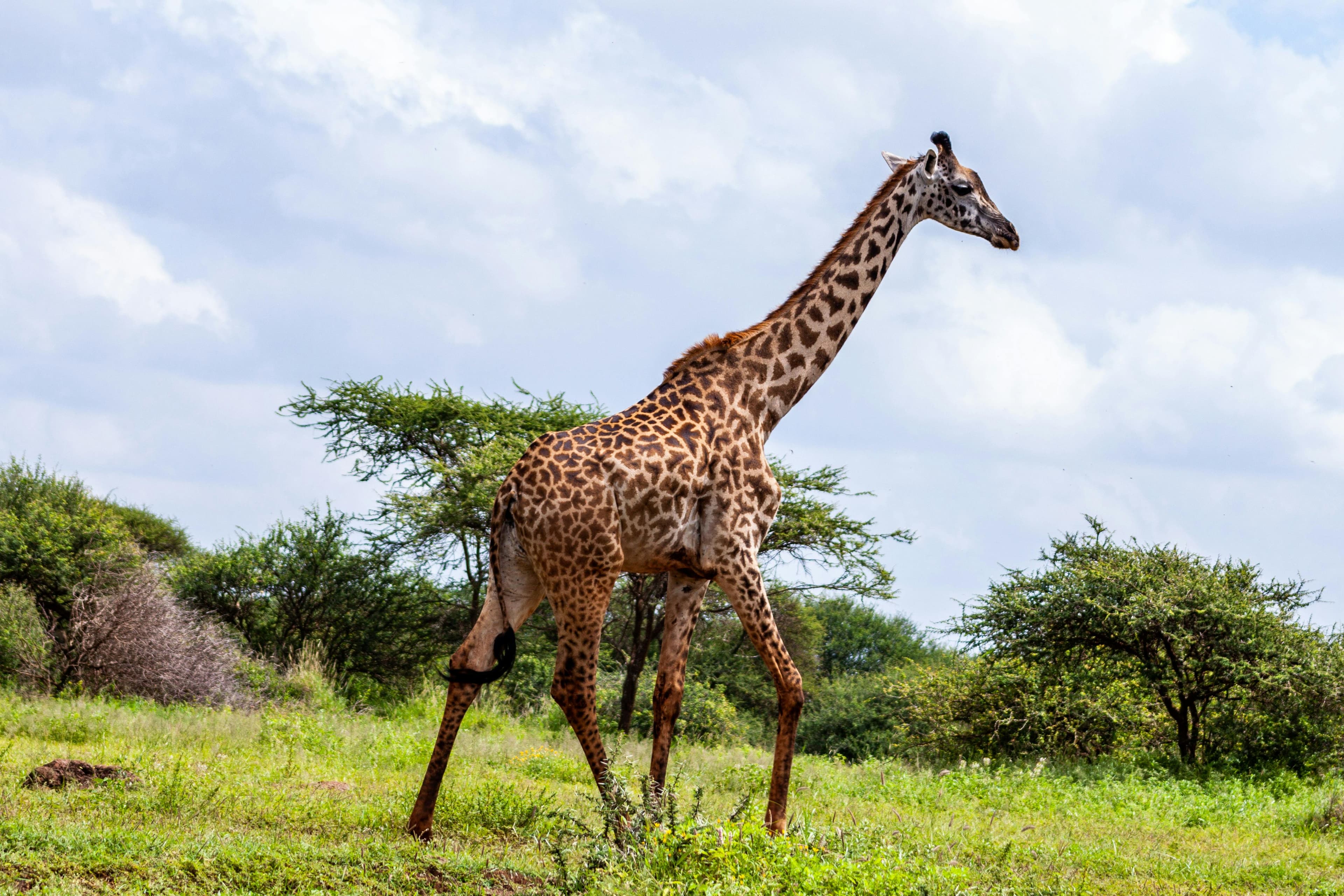
Tallest land animal, instantly recognisable for its long neck and patterned coat.
Quick Facts about Giraffe
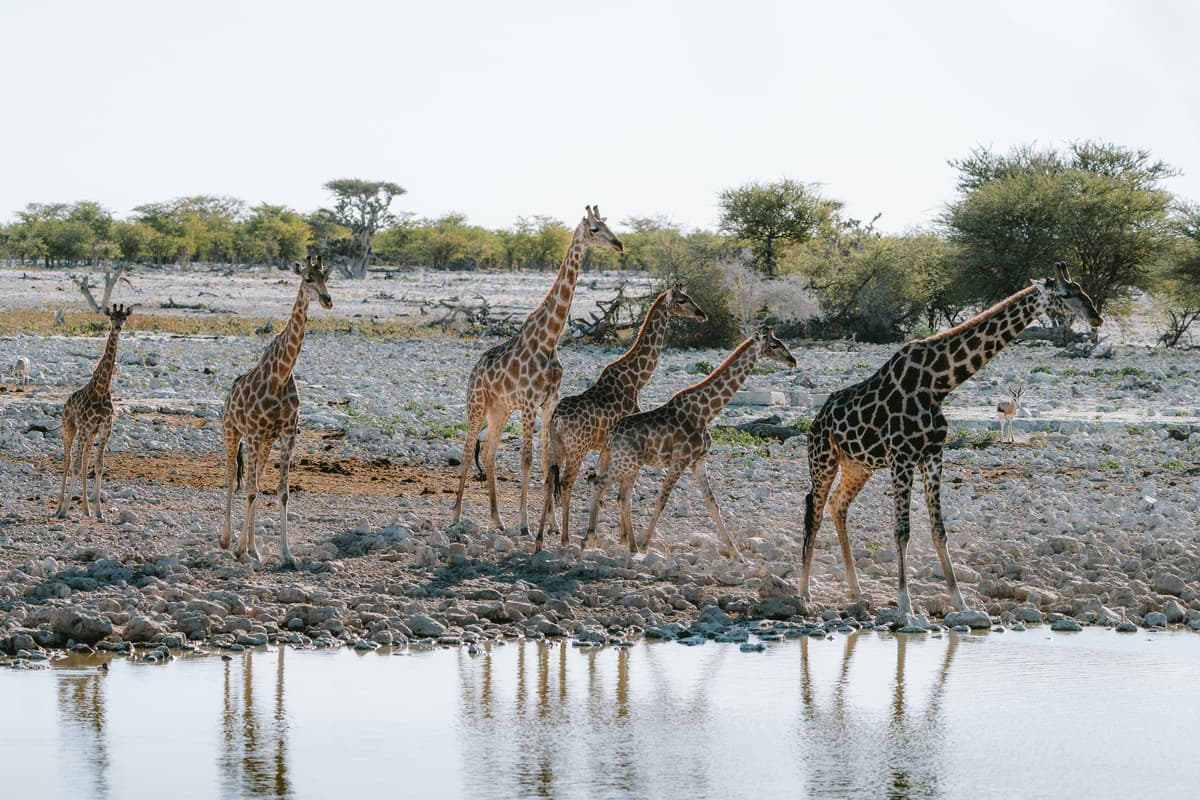
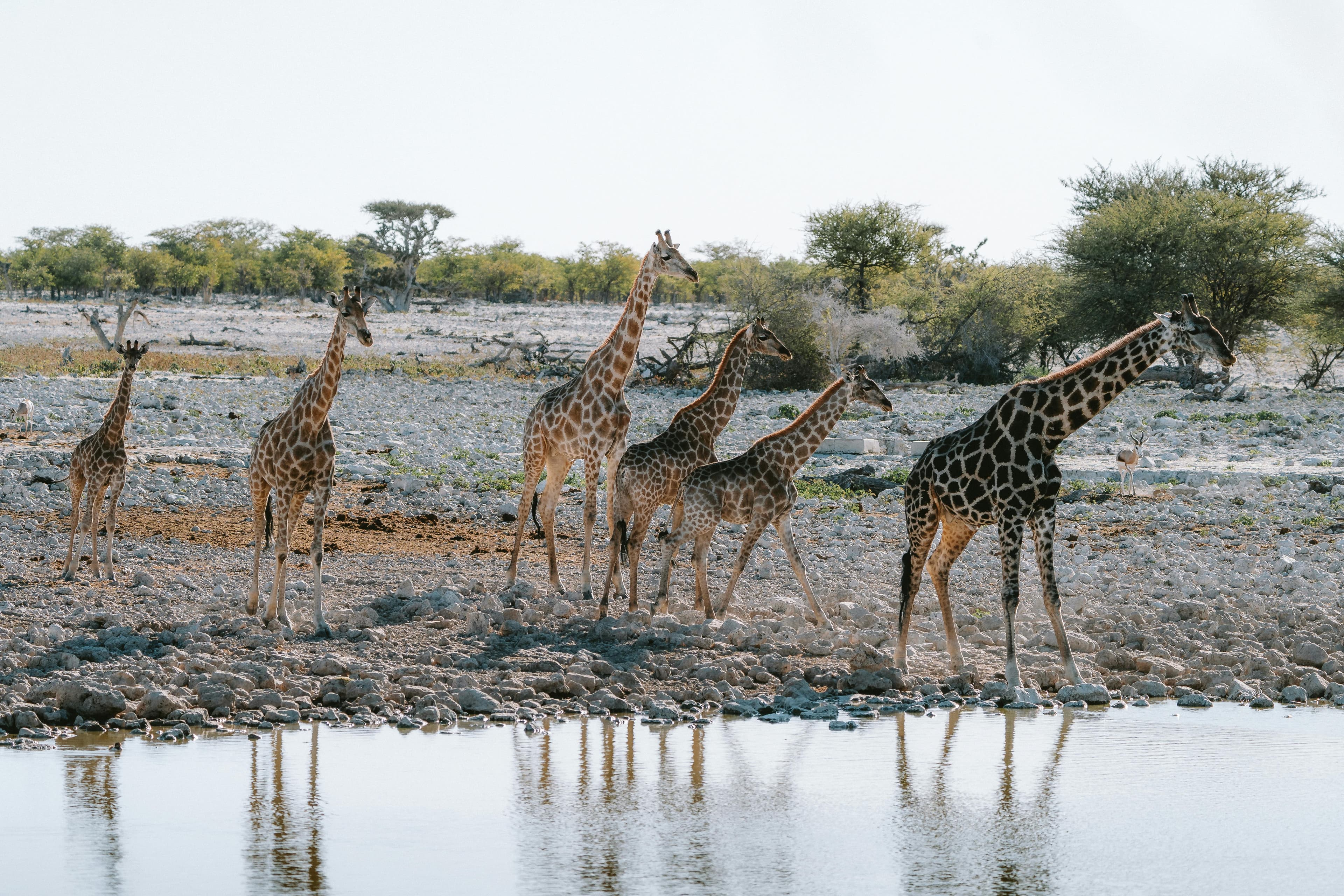
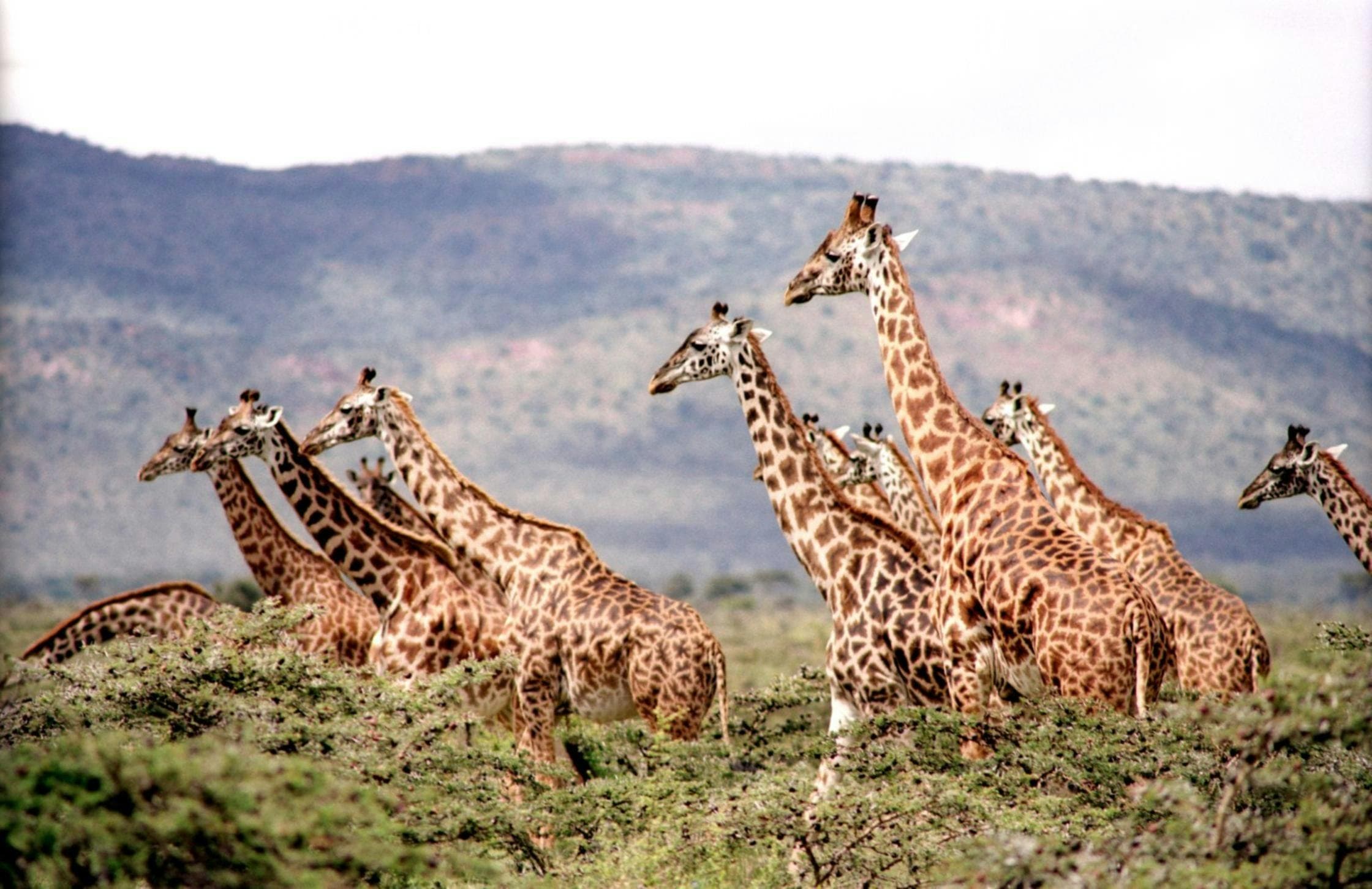
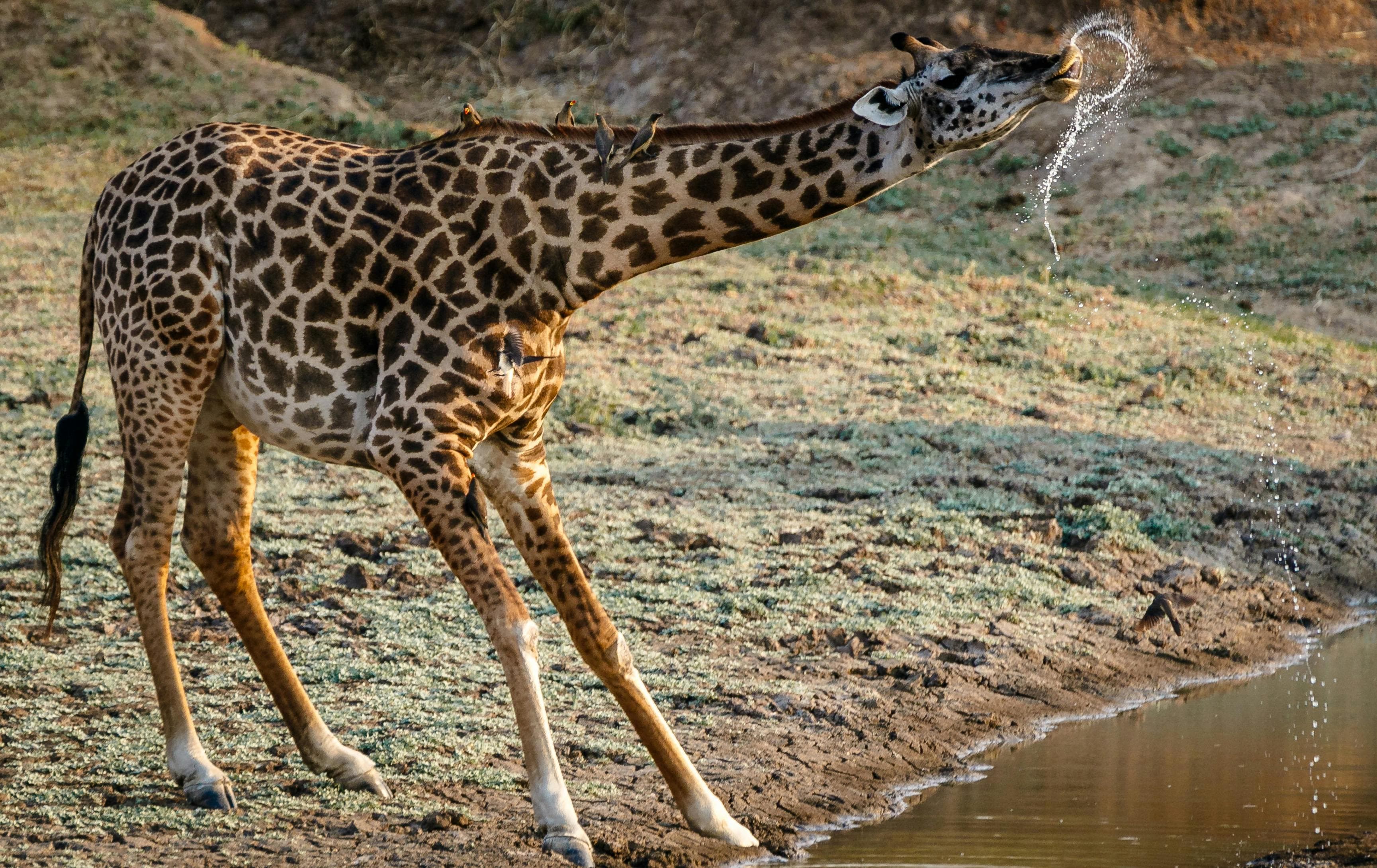
Giraffes are gentle browsers that feed on leaves, shoots, and fruits high in trees, using their long necks and prehensile tongues. Social animals live in loose herds that constantly change composition, moving across savannahs in search of food and water. Each subspecies has a unique coat pattern that serves as camouflage and a means of identification among individuals.
These tall herbivores play a vital ecological role by feeding on the upper canopy, stimulating new growth, and dispersing seeds through their droppings. Males may engage in "necking" battles to assert dominance, while females raise their young with the protection of the herd.
Giraffes are active during the day, especially in the morning and late afternoon. Their long legs and necks allow them to cover large distances and spot predators from afar, making them one of the most iconic and visible animals on African safaris.
Up to 5.5 m
60–70 kg
25 years
50 km/h
Safaris where you can see Giraffe in Arusha
Where to see Giraffe in Arusha
Elegant browsers near Momella Lakes
Top tips for viewing Giraffe
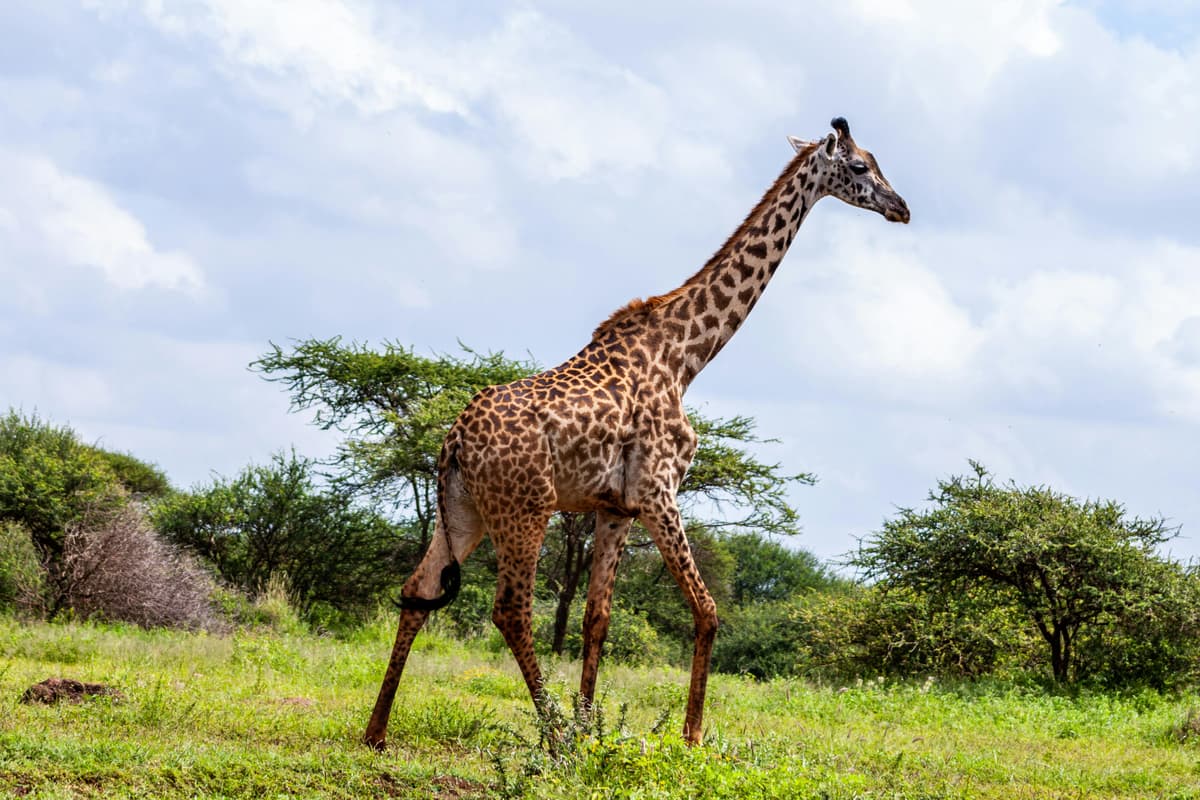
Arusha National Park supports small populations of giraffe, especially around the open grasslands near Momella Lakes. They’re a common sight on short game drives close to Arusha town.
Frequently Asked Questions
Find answers to the most common questions about this tour.
1
Are giraffes abundant here?
They’re common but in smaller groups.
2
Where exactly to look?
Open grasslands near Momella Lakes.
3
Do walking safaris show them?
Yes, occasionally with armed ranger guides.
4
Best time to visit?
Year-round, though mornings are crisp and clear.
5
Any special tip?
Binoculars help spot them at a distance in open glades.