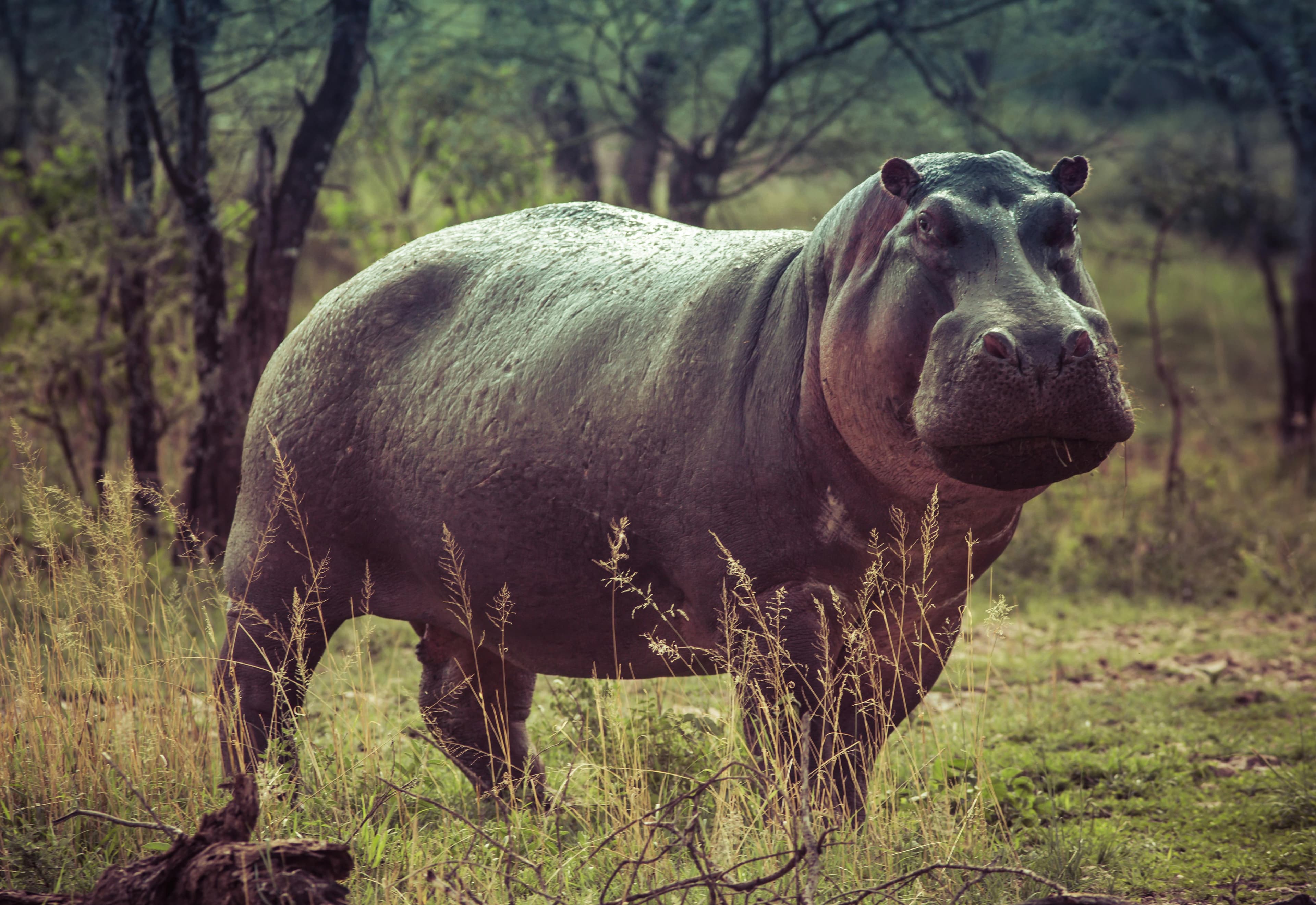
Hippo
Where to see Hippo in Lake-manyara
Large, mostly aquatic mammals with powerful jaws, often seen in rivers and lakes in Africa.
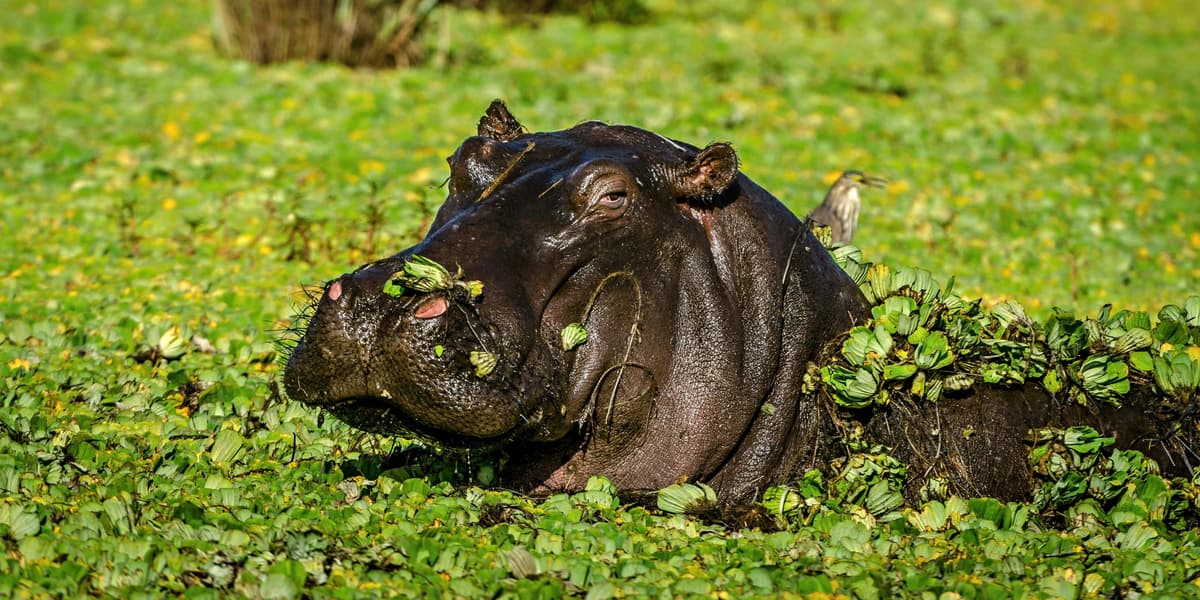
Quick Facts about Hippo
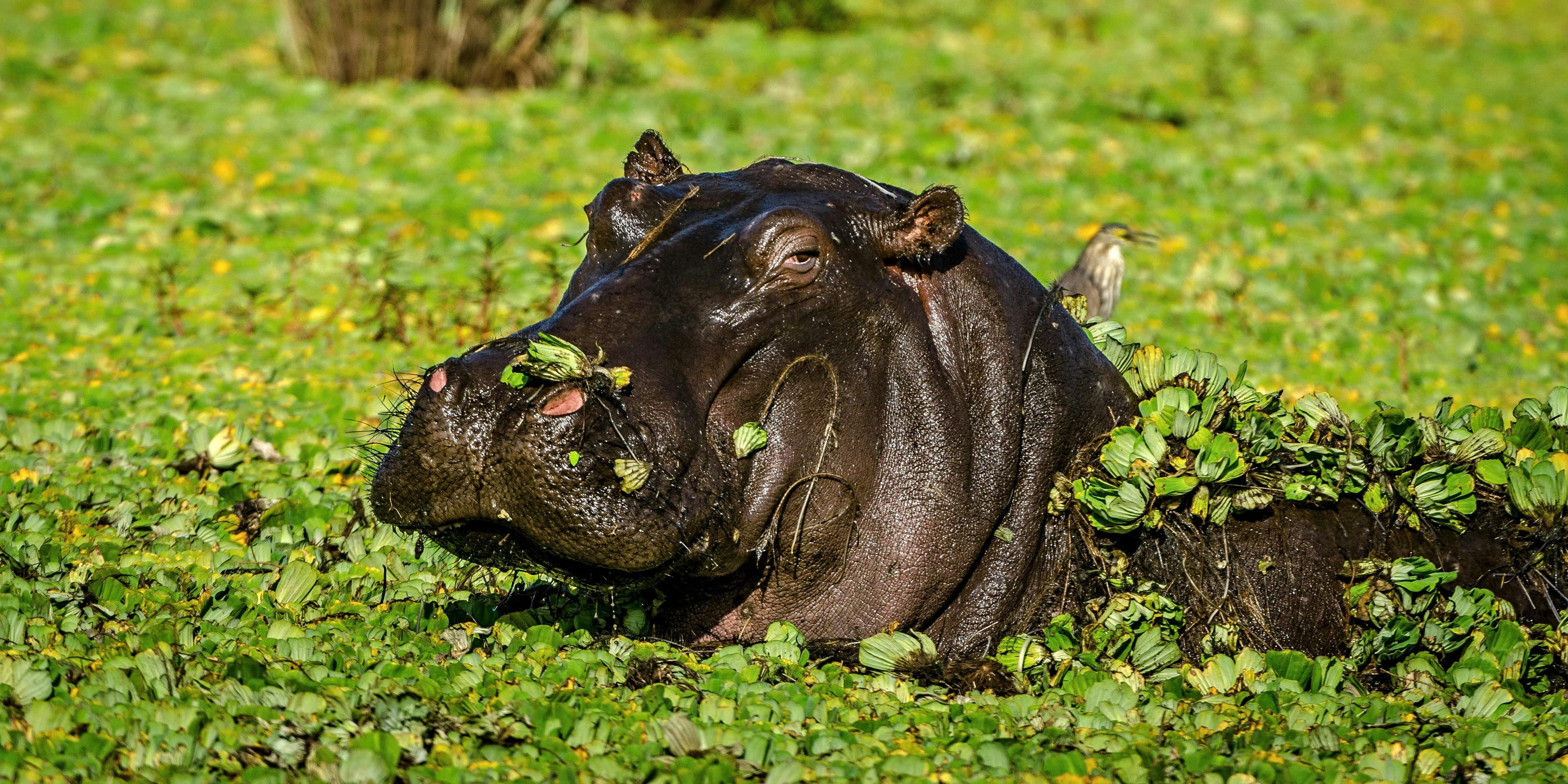
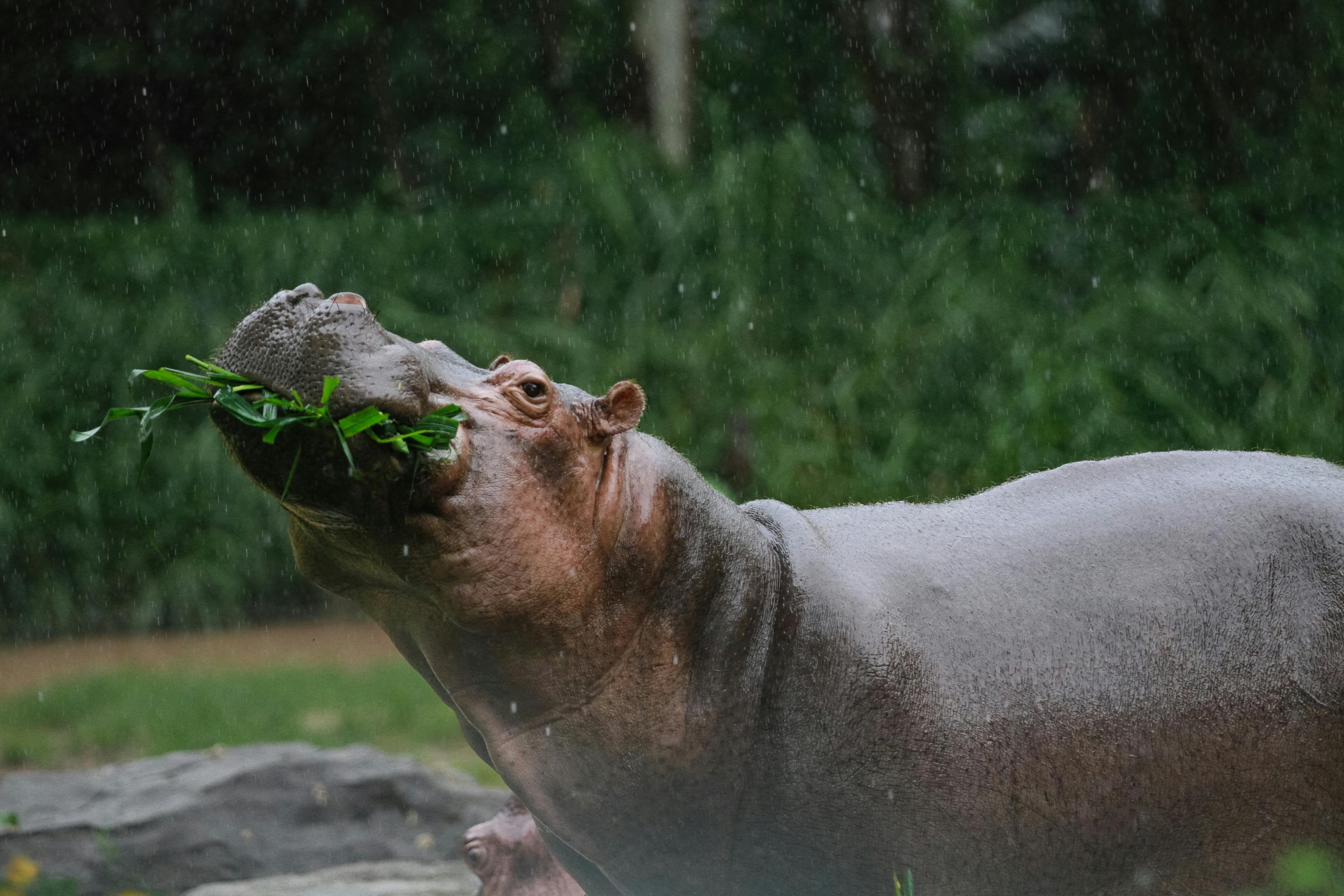
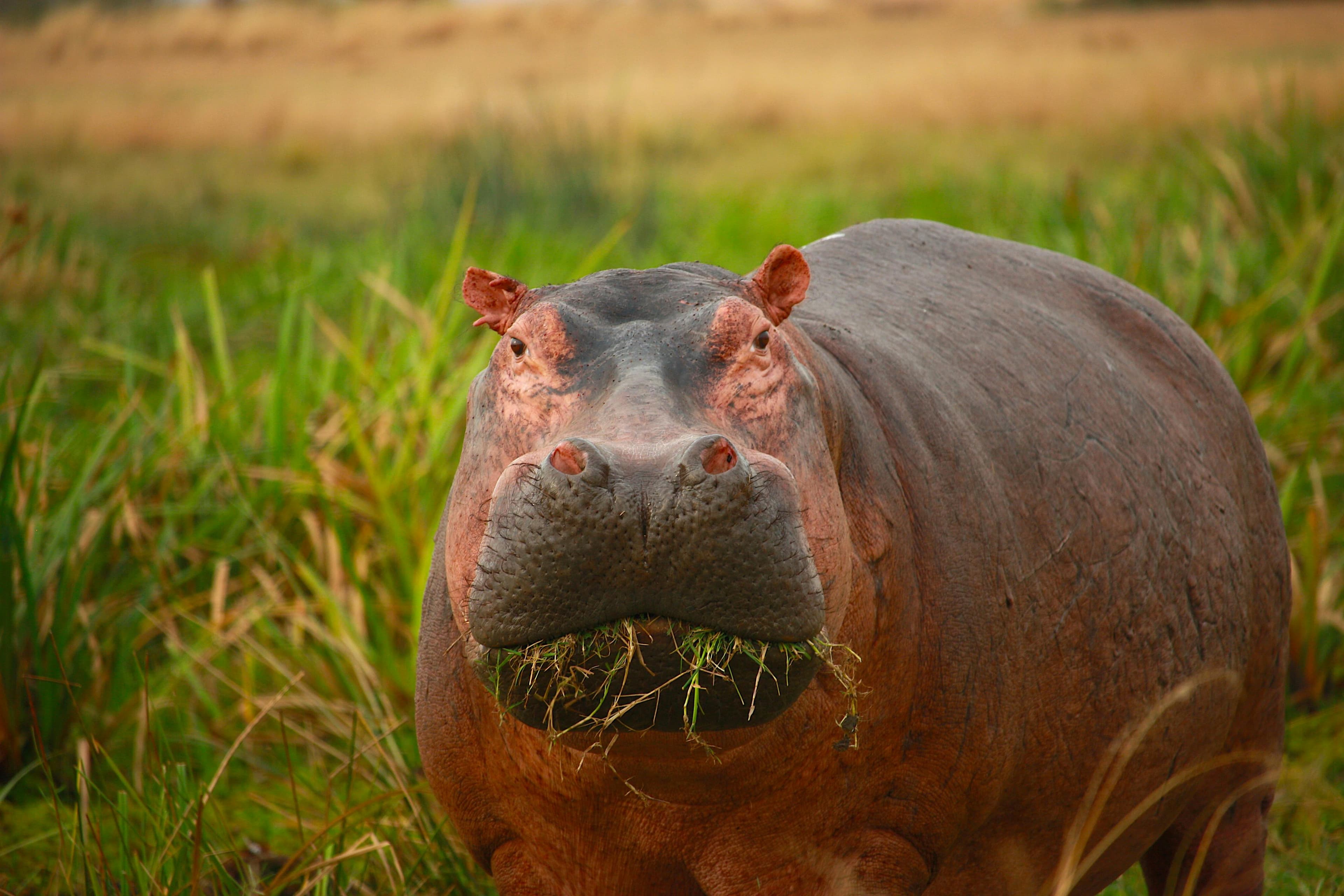
Hippos are semi-aquatic mammals that spend most of the day submerged in rivers and lakes to stay cool. At night, they emerge to graze on grass, sometimes travelling long distances from water sources. Despite their seemingly slow pace, hippos are highly territorial in water and can be extremely dangerous.
They live in pods that can include dozens of individuals, providing social cohesion and protection for calves. Their massive jaws and tusks are primarily used for defense and establishing dominance within the group.
Hippos influence aquatic ecosystems by shaping riverbanks and spreading nutrients through their dung, which supports fish and bird life. They are an iconic component of Africa’s waterways, offering spectacular sightings along rivers and lakes during game drives.
Up to 3,200 kg
40 years
Semi-aquatic
Herbivorous
Safaris where you can see Hippo in Lake-manyara

3-Day Ngorongoro Crater, Tarangire and Lake Manyara NP
4-Day Tanzania Northern Circuit Experience
5-Day Budget-Private Serengeti, Ngorongoro, Tarangire

3-Day Safari from Zanzibar, Tarangire Ngorongoro Manyara
4-Day Zanzibar to Tarangire Serengeti Ngorongoro & More
4-Day Arusha NP, Tarangire, Ngorongoro & Manyara Safari
Where to see Hippo in Lake-manyara
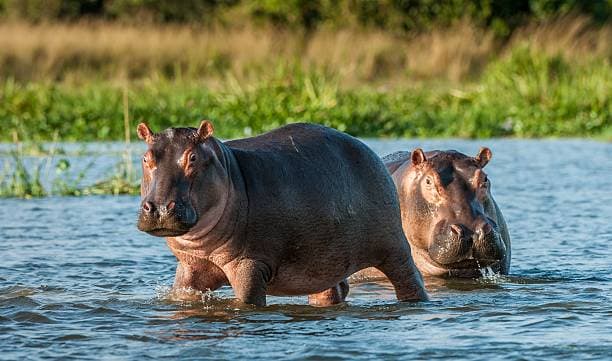
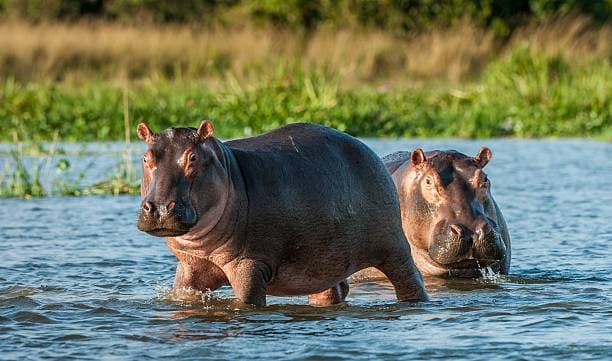
Hippos gather in Lake Manyara’s calm waters and river channels.
Top tips for viewing Hippo
Lake Manyara National Park is famous for its large hippo populations, which congregate in the lake and along feeder rivers. These massive semi-aquatic mammals spend much of the day submerged to stay cool, surfacing occasionally to breathe and socialize.
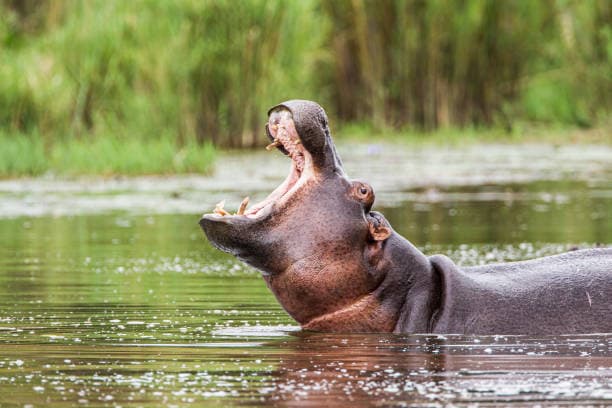
Hippos are highly social, forming pods of dozens to over a hundred individuals, with complex hierarchies and territorial bulls. Observing their interactions — from yawning displays to gentle contact — provides fascinating insight into their behaviour.
Evening and early morning drives or boat trips along the rivers reveal more active hippos feeding in nearby grasslands, giving visitors a chance to see these giants in motion and photograph them in their natural habitat.
Frequently Asked Questions
Find answers to the most common questions about this tour.
1
Where do hippos spend most of their day?
Hippos spend the majority of daylight hours submerged in Lake Manyara or its feeder rivers to stay cool, only surfacing periodically for breathing or social interactions.
2
How big are the pods?
Pods can range from a few dozen to over a hundred individuals, with a clear social hierarchy and dominant bulls maintaining territories.
3
When are hippos most active?
They are mostly active during evening and early morning, leaving water to graze on grasslands under the cover of lower temperatures.
4
Can you observe behaviour?
Yes, from displays like yawning, mock fights, and gentle contact within pods, which are fascinating to watch and photograph.
5
Any tips for visiting?
Guided boat trips or river-side drives provide the best views while minimizing disturbance to these massive animals.