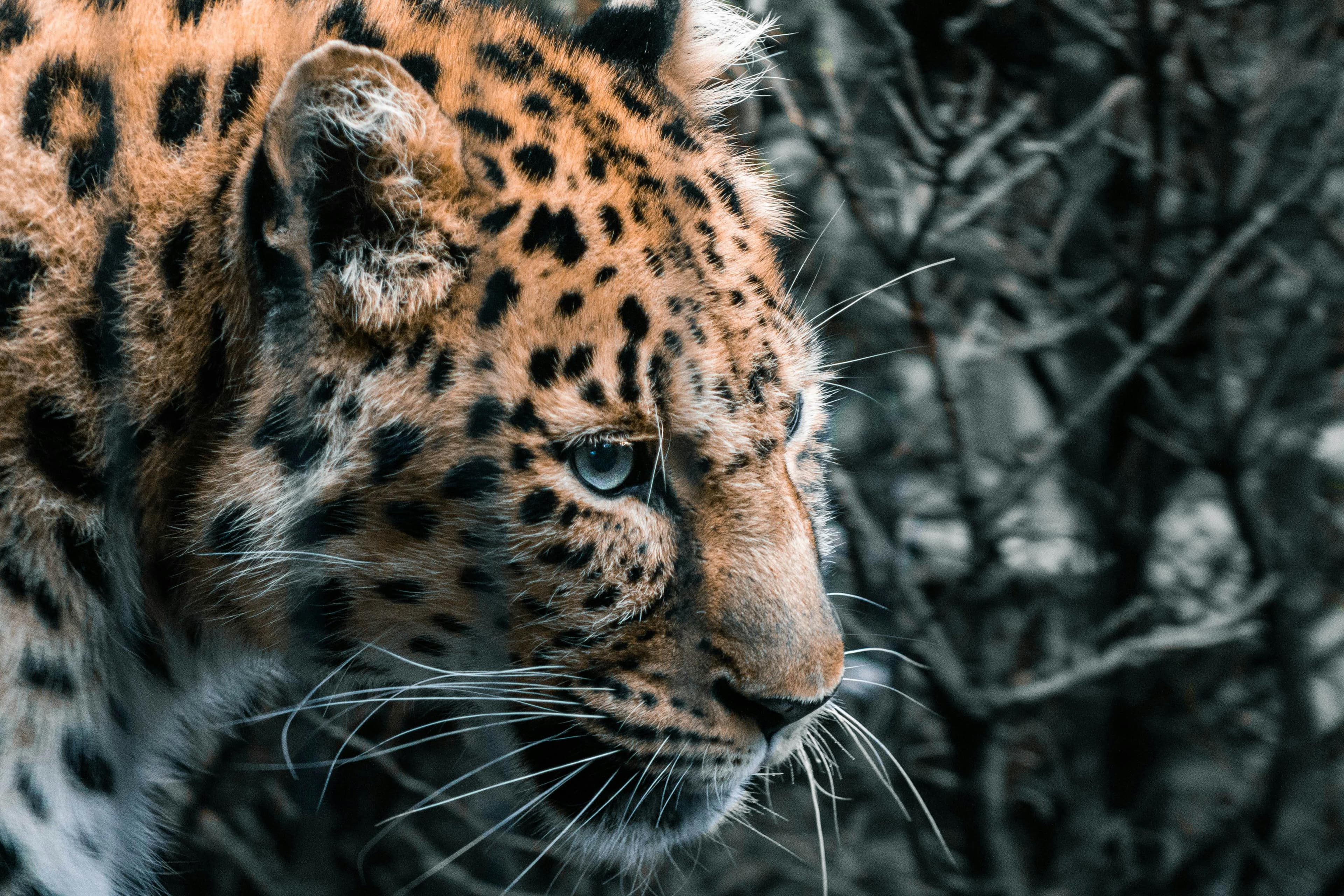
Leopard
Where to see Leopard in Lake-manyara
Solitary and elusive big cats, masters of stealth and ambush hunting.
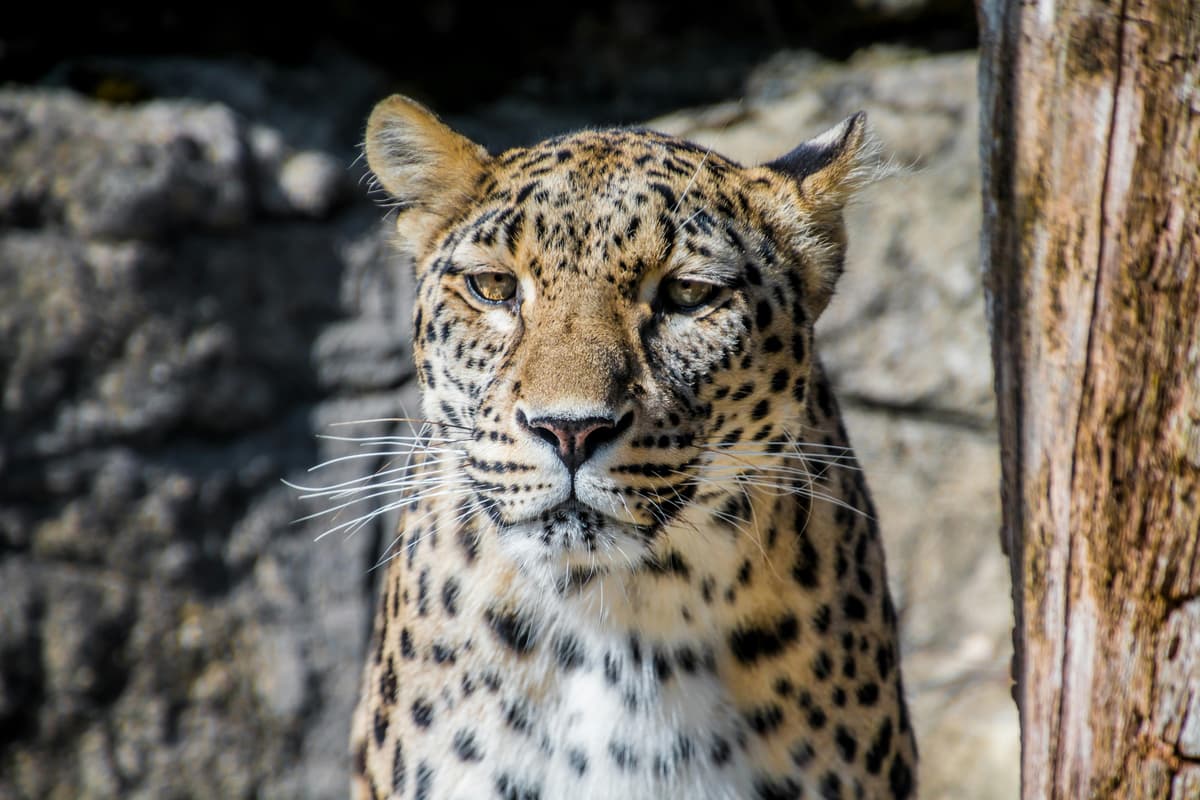
Quick Facts about Leopard
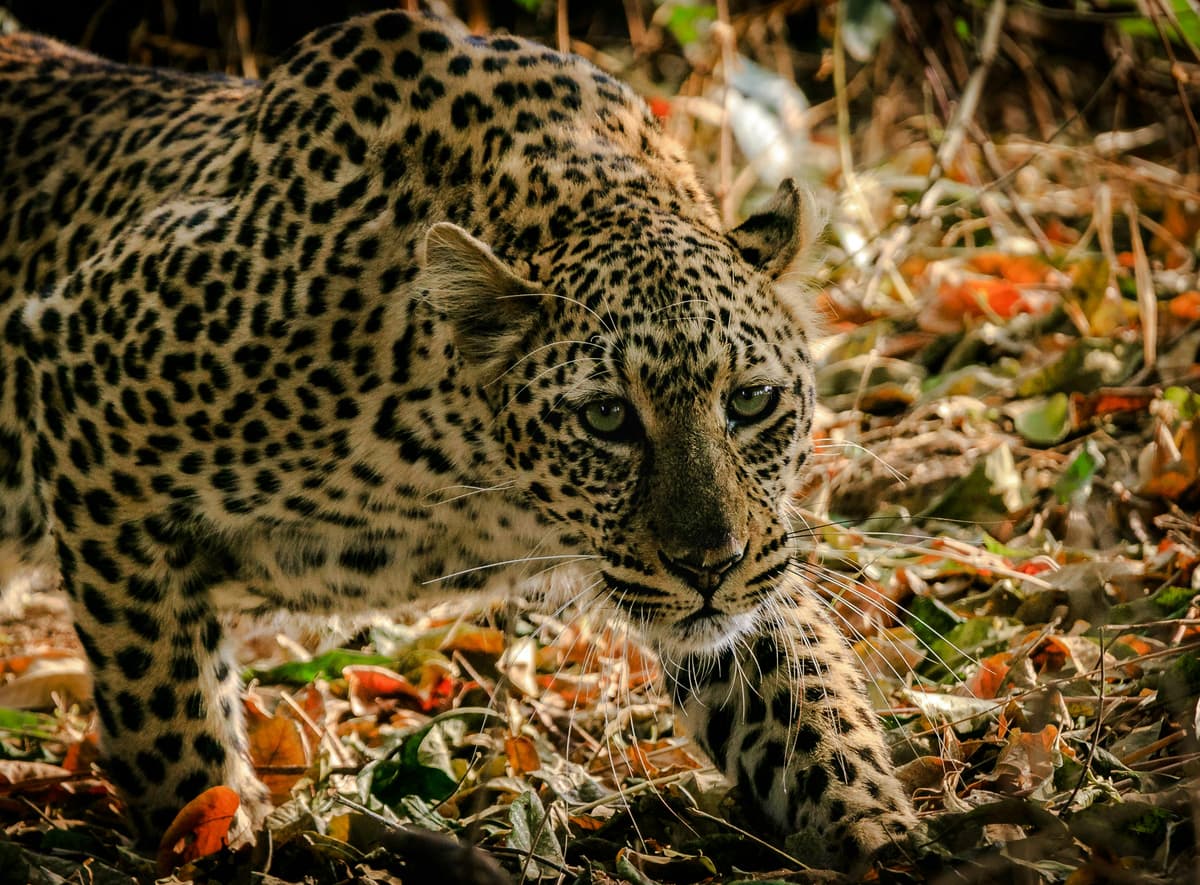
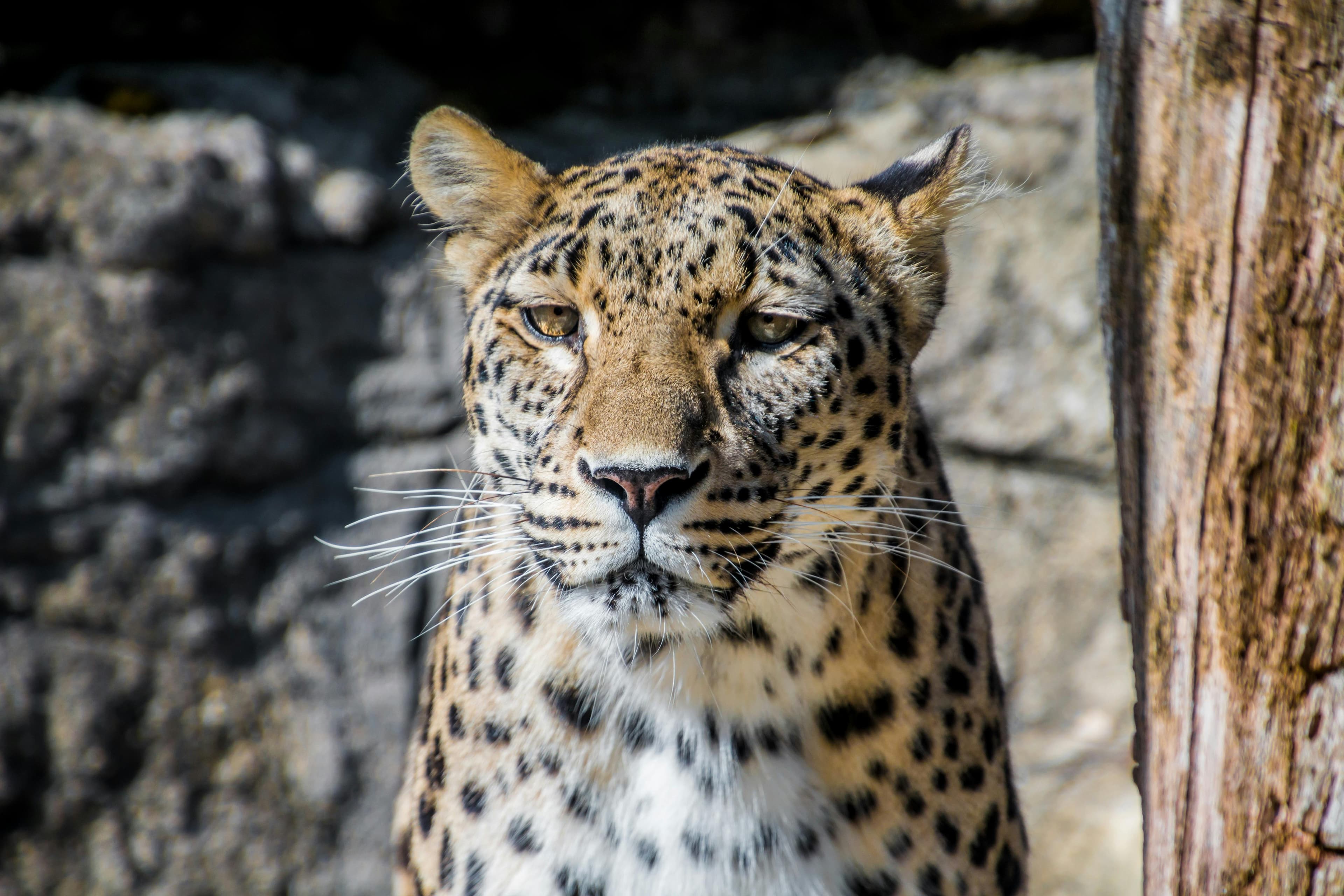
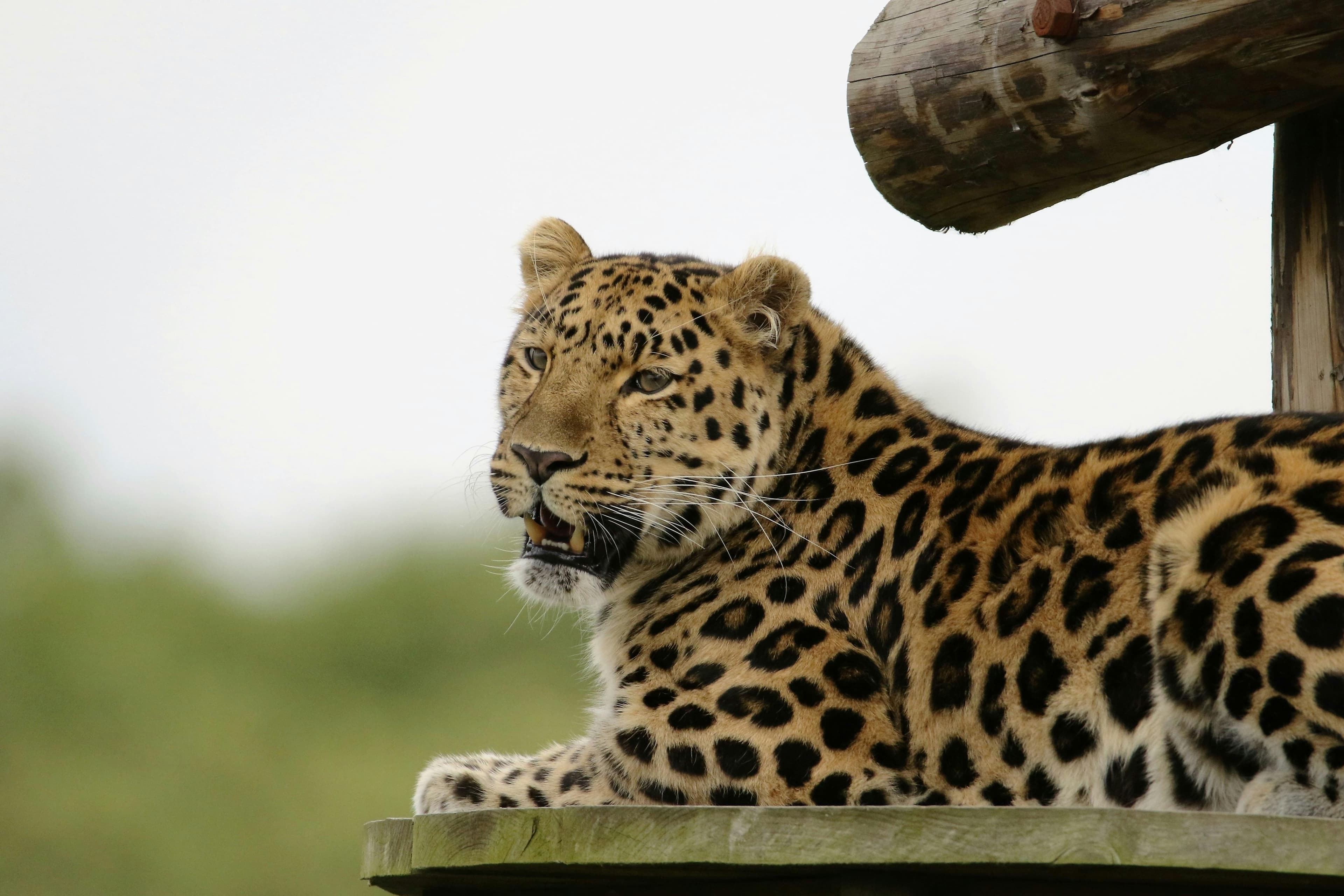
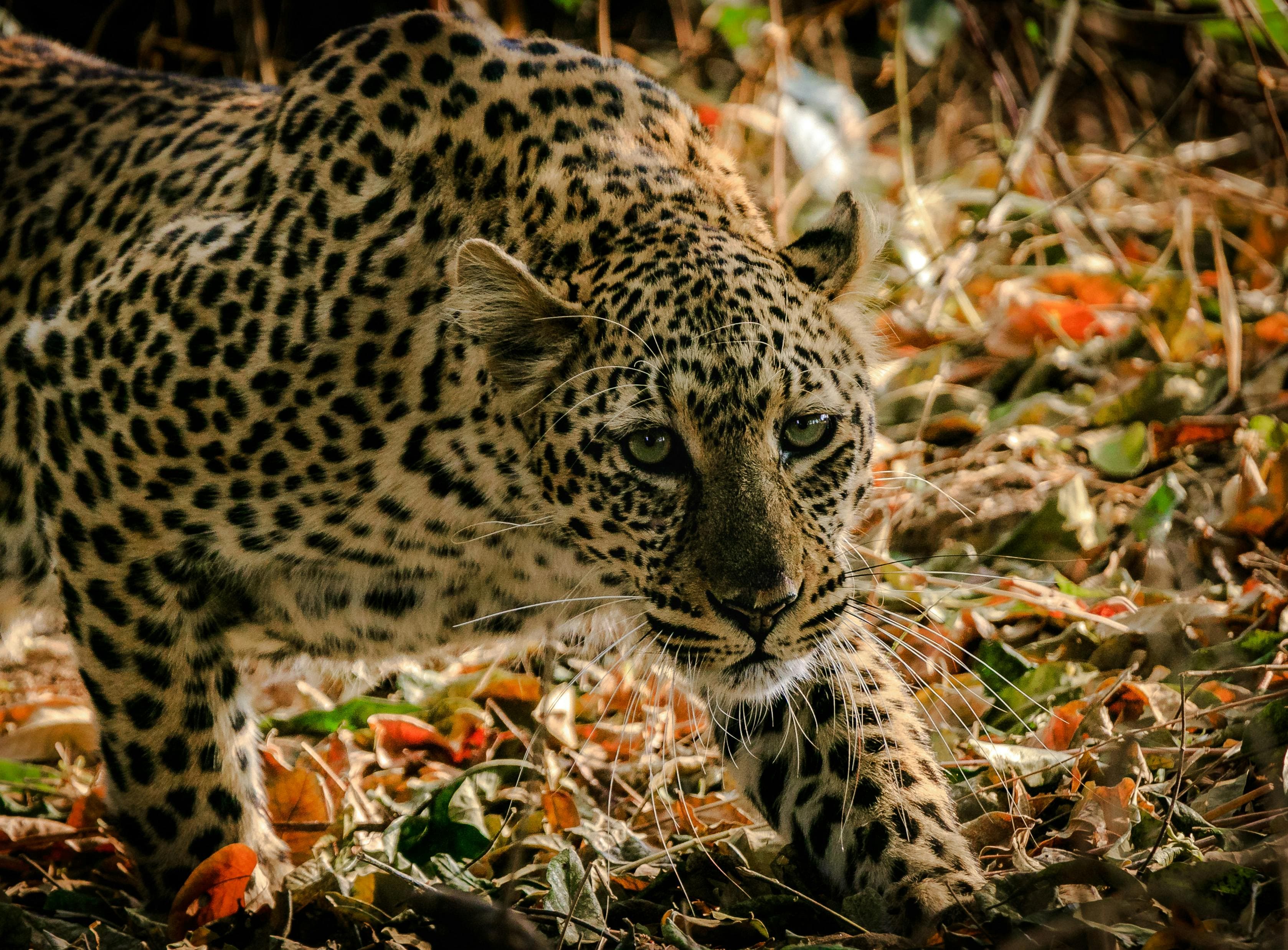
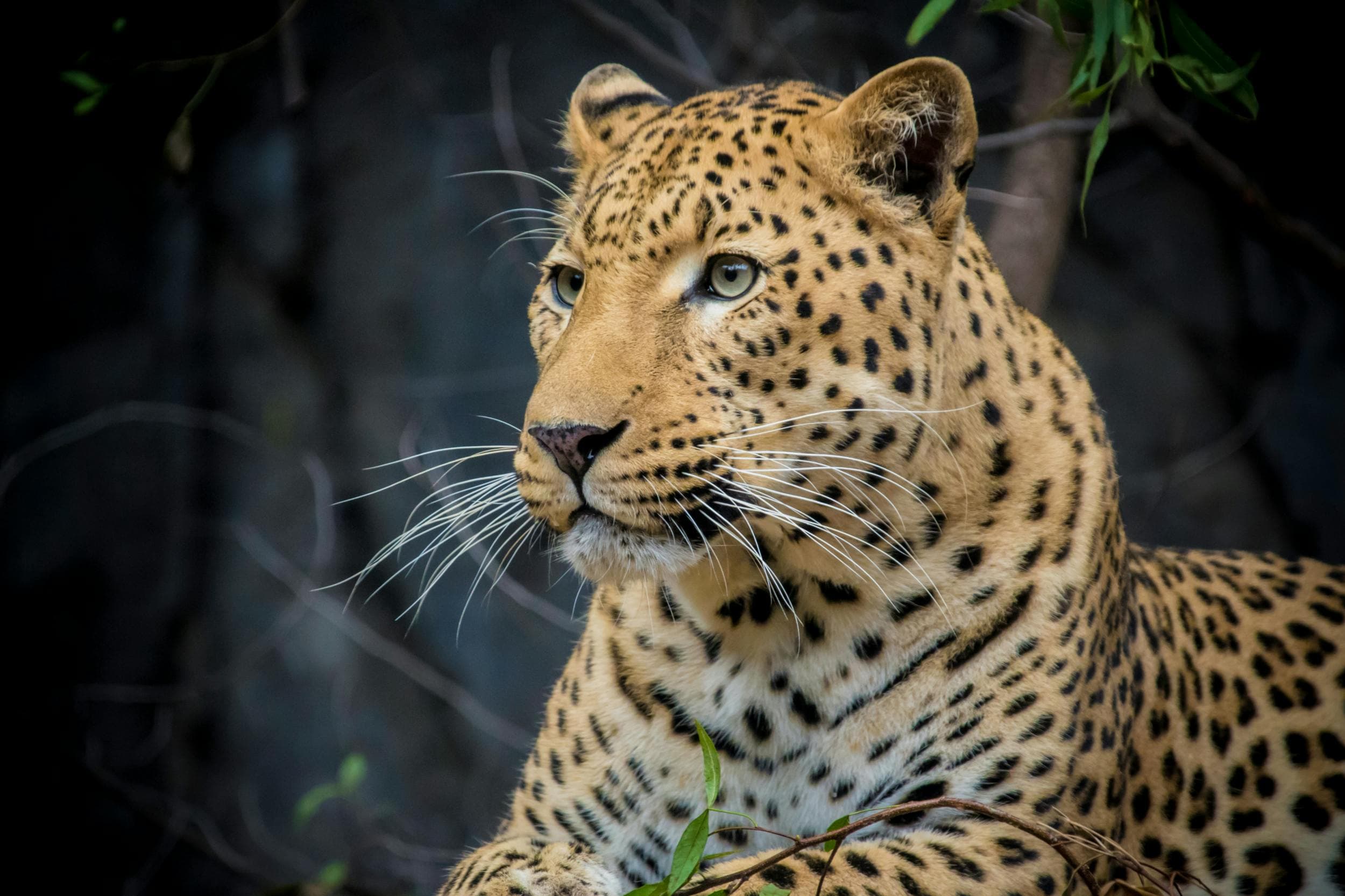
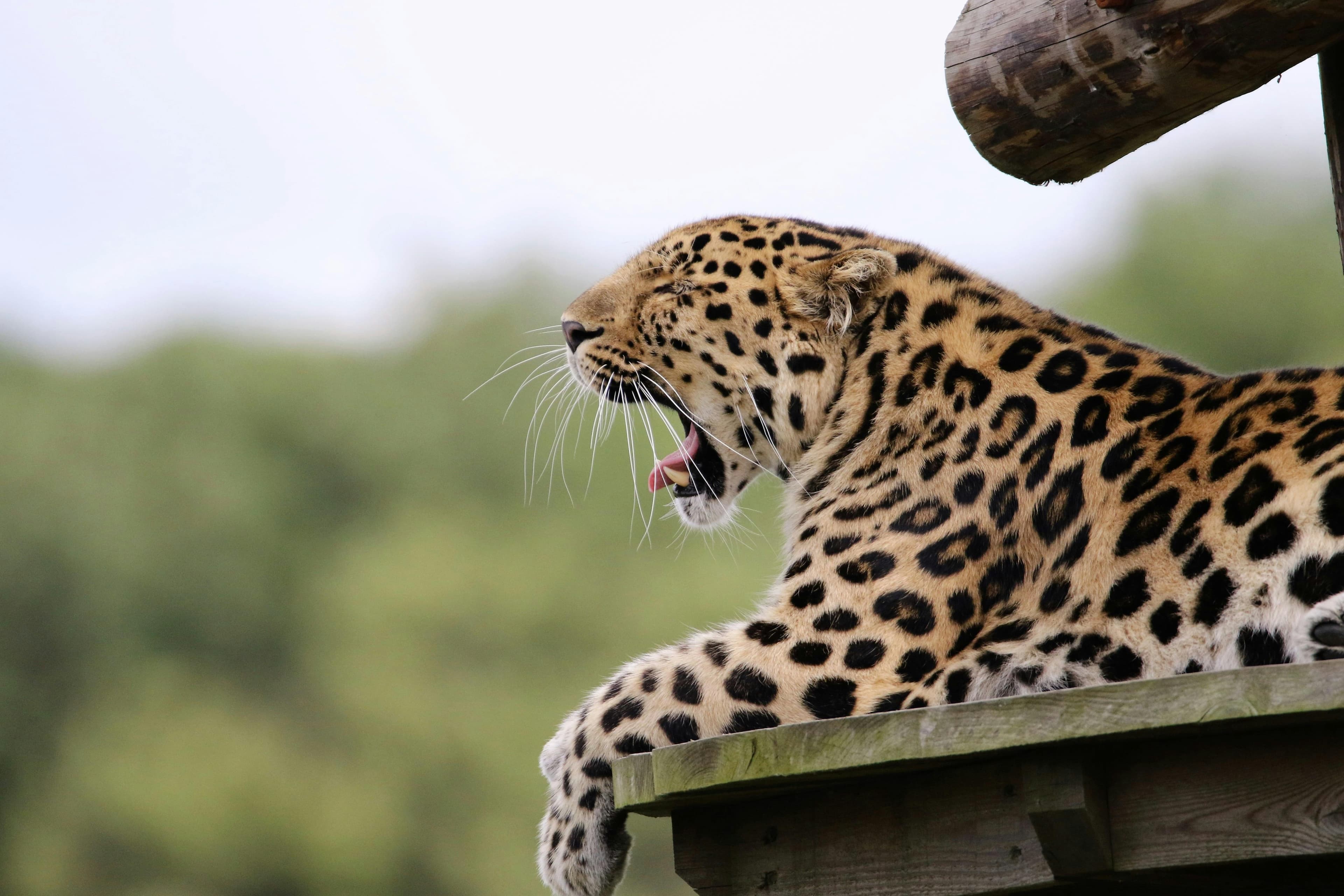
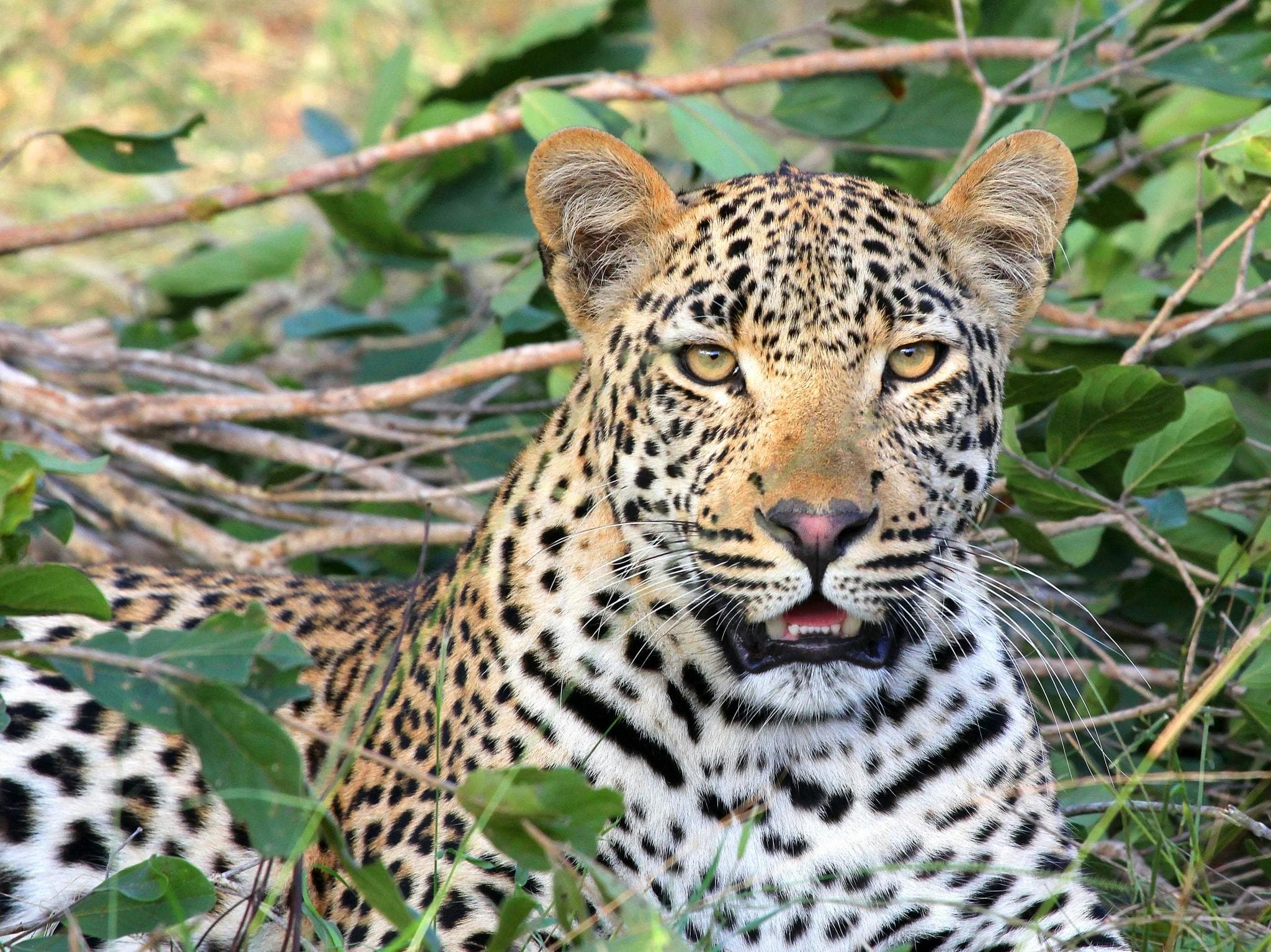
Leopards are medium-large cats, solitary by nature, and renowned for their stealth and ability to adapt to diverse habitats from dense forests to open plains. Their spotted coats provide excellent camouflage, allowing them to stalk and ambush prey effectively. Leopards are opportunistic hunters, preying on a variety of species including antelopes, primates, and smaller mammals.
They are highly adaptable, often climbing trees to store food away from scavengers like hyenas and lions. Female leopards raise cubs alone, teaching them essential survival and hunting skills. Their elusive behaviour makes sightings rare but highly rewarding for safari-goers.
In East Africa, leopards inhabit forests, savannahs, and rocky outcrops. Observing leopards in the wild offers a glimpse into their extraordinary camouflage, patience, and the complex predator-prey relationships that shape African ecosystems.
Up to 90 kg
Up to 2.5 m
12–17 years
Solitary
Safaris where you can see Leopard in Lake-manyara

3-Day Ngorongoro Crater, Tarangire and Lake Manyara NP
4-Day Tanzania Northern Circuit Experience
5-Day Budget-Private Serengeti, Ngorongoro, Tarangire
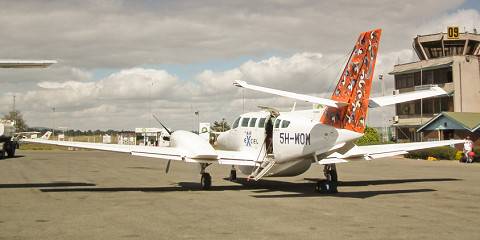
3-Day Safari from Zanzibar, Tarangire Ngorongoro Manyara
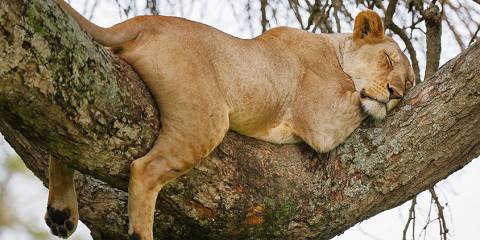
4-Day Zanzibar to Tarangire Serengeti Ngorongoro & More
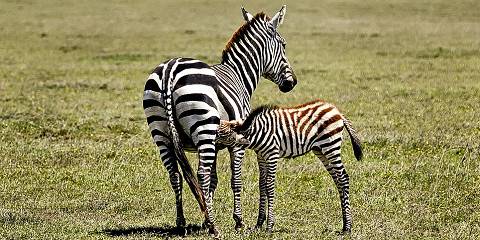
4-Day Arusha NP, Tarangire, Ngorongoro & Manyara Safari
Where to see Leopard in Lake-manyara
Leopards live in Manyara’s riverine forests and woodland edges.
Top tips for viewing Leopard
Lake Manyara National Park supports leopard populations in riverine forests, woodland edges, and thickets along the lakeshore. These nocturnal cats are rarely seen but leave clear signs of their presence.
Leopards hunt small to medium-sized prey and often retreat to dense cover during the day. Observing tracks, scat, and claw marks can reveal recent activity and help guides locate individuals.
Guided early morning and late afternoon drives increase the likelihood of sightings. Visitors can learn to interpret signs and understand leopard hunting and resting behaviours in a compact park setting.
Frequently Asked Questions
Find answers to the most common questions about this tour.
1
Where do leopards live in Manyara?
Riverine forests, woodland edges, and thickets along the lakeshore.
2
When are they active?
Mostly nocturnal, with some activity during early morning or late afternoon drives.
3
How do they hunt?
They hunt small to medium prey, ambushing from dense cover.
4
Can signs indicate their presence?
Yes, tracks, scat, and claw marks help guides locate leopards.
5
Tips for visitors?
Patience, binoculars, and guided interpretation improve chances of seeing leopards.