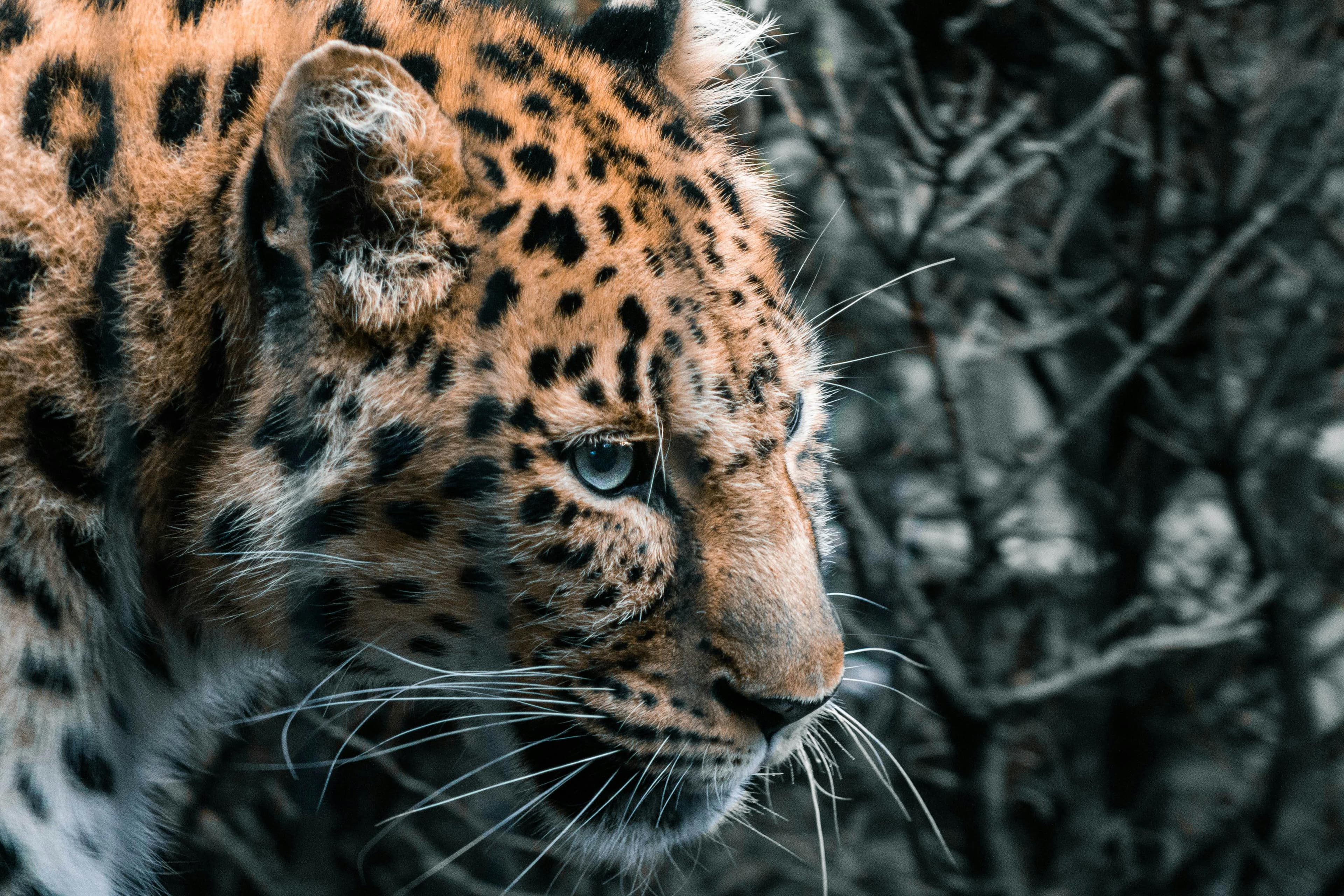
Leopard
Where to see Leopard in Ngorongoro
Solitary and elusive big cats, masters of stealth and ambush hunting.
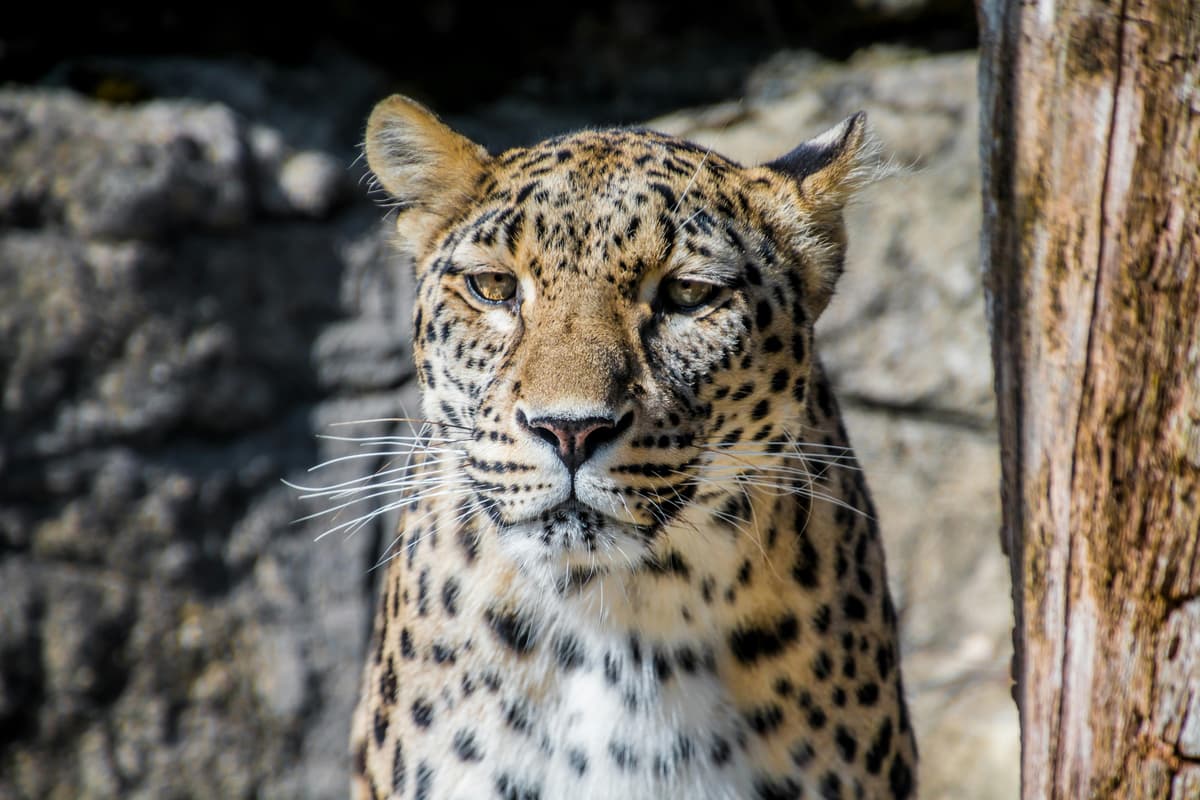
Quick Facts about Leopard
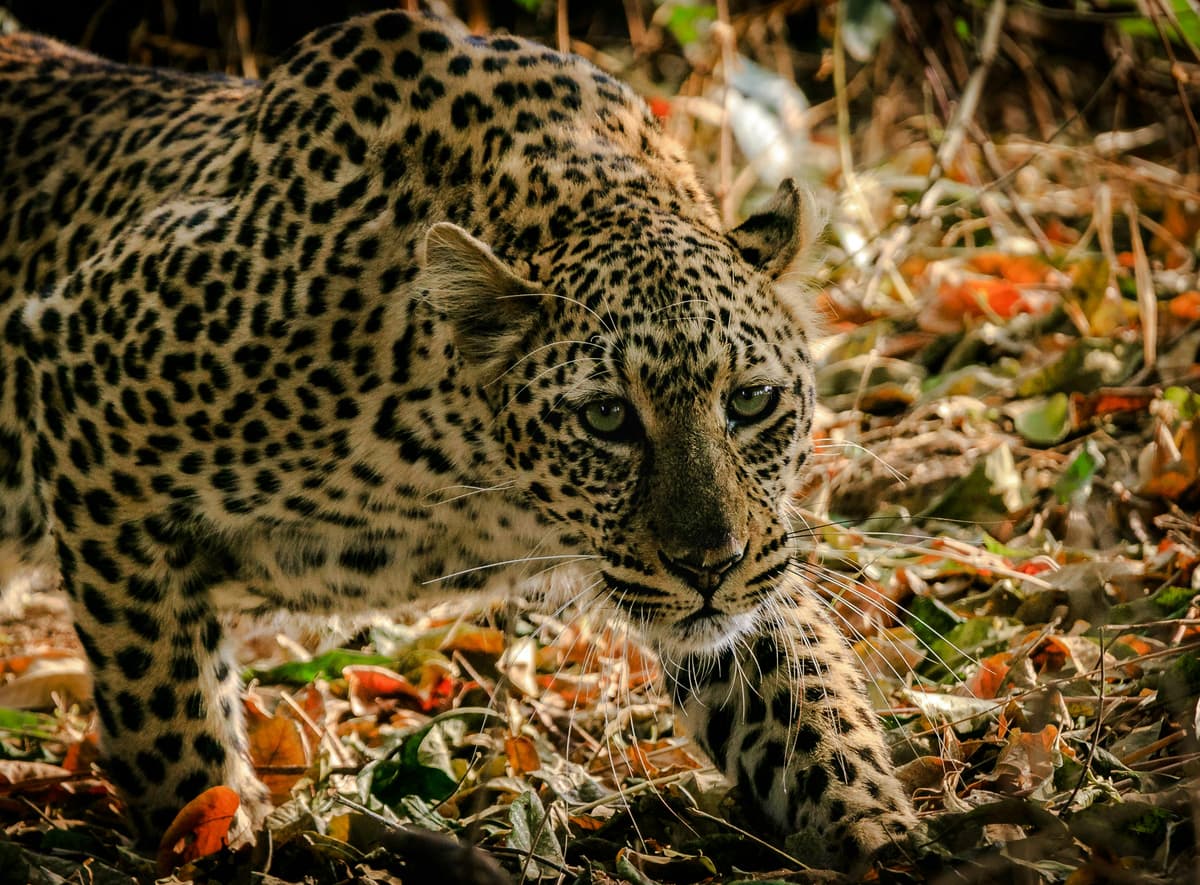
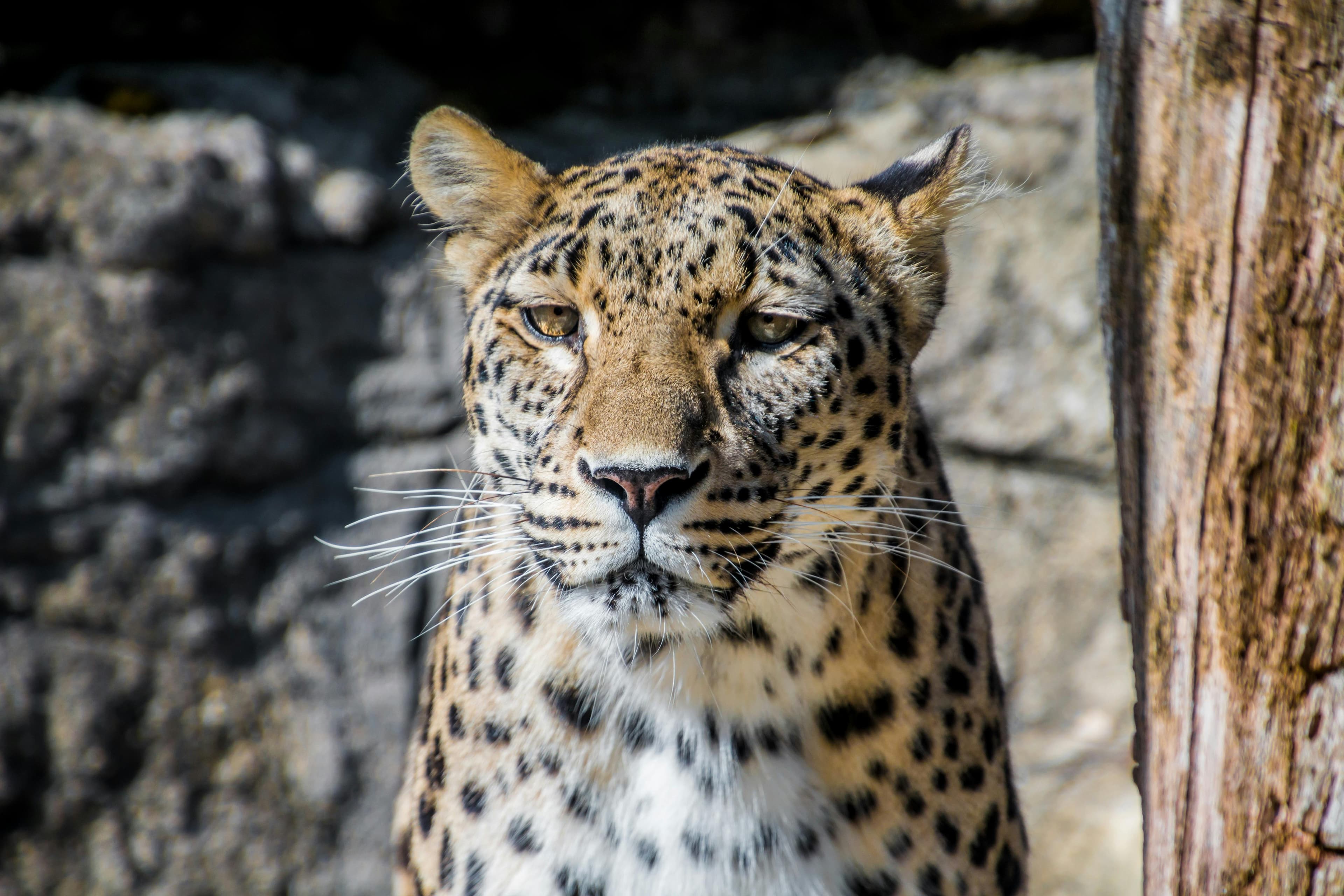
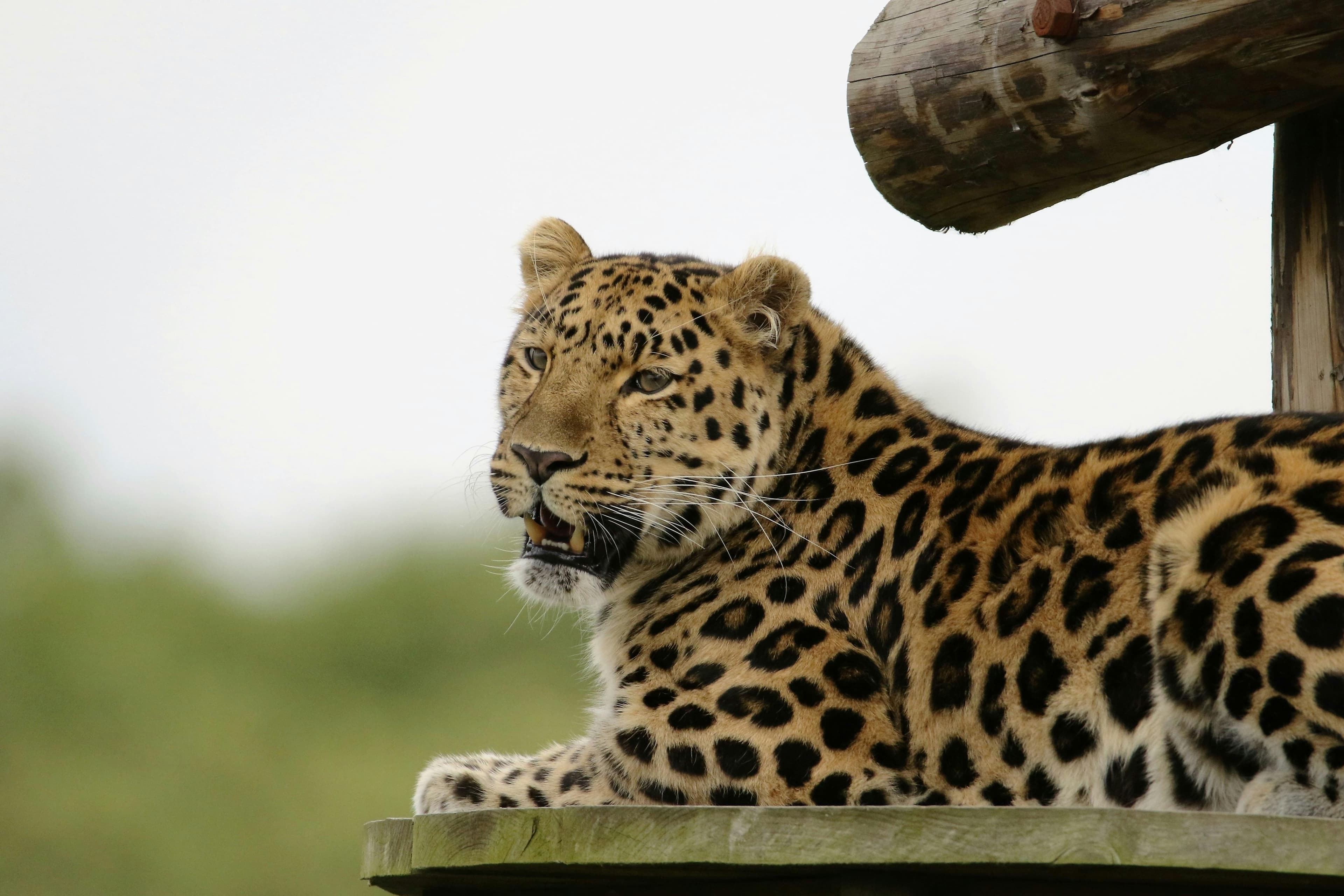
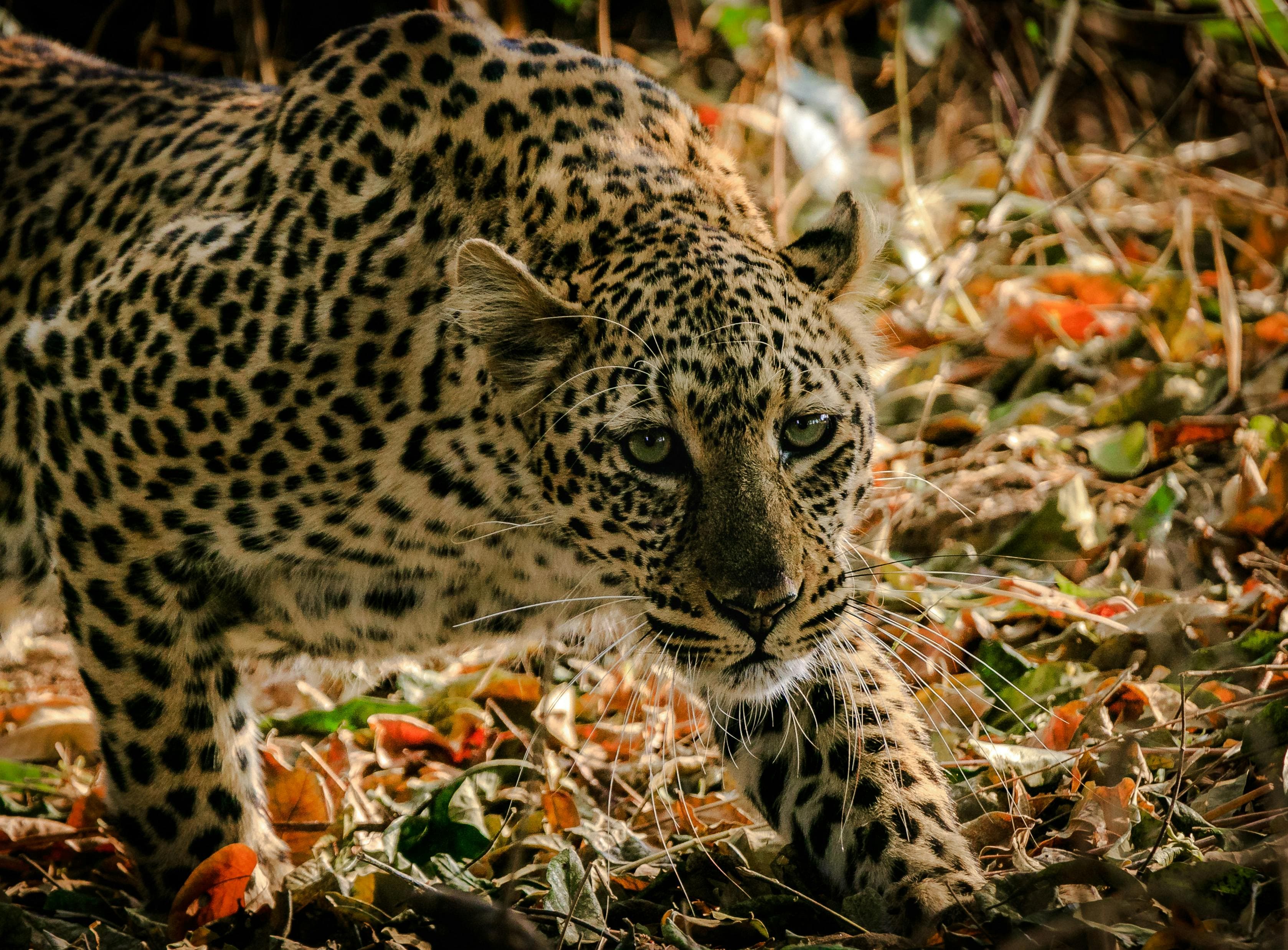
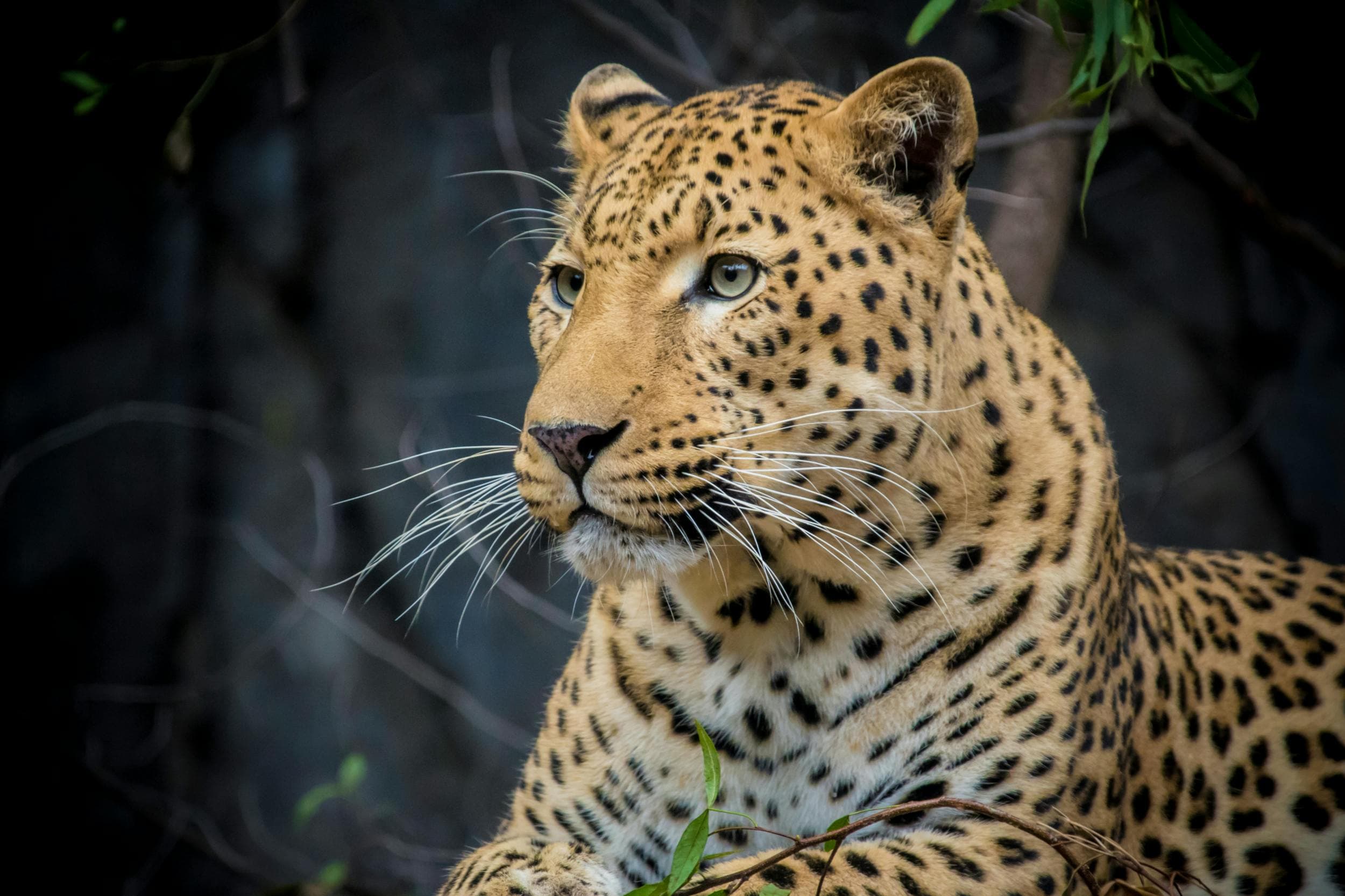
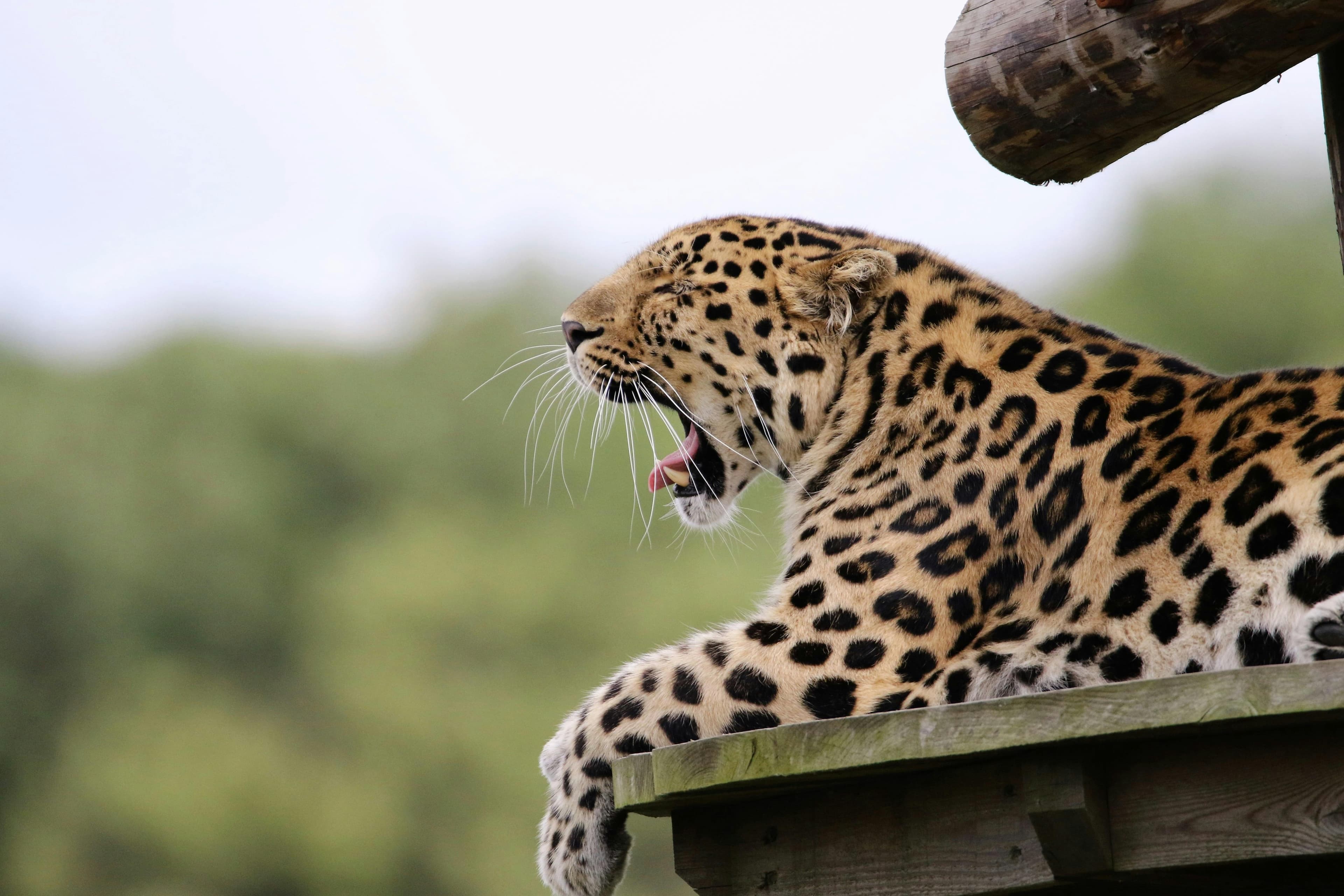
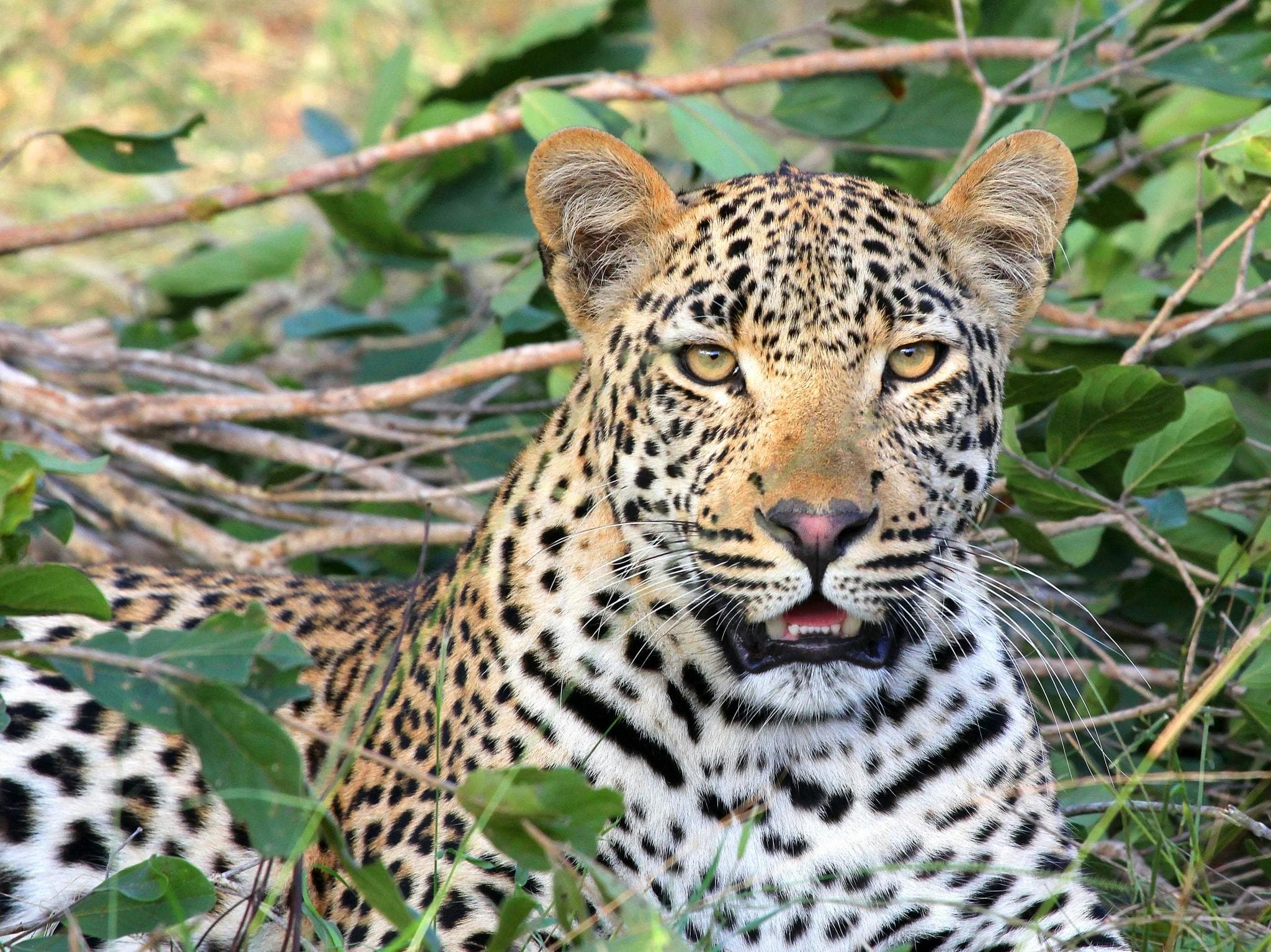
Leopards are medium-large cats, solitary by nature, and renowned for their stealth and ability to adapt to diverse habitats from dense forests to open plains. Their spotted coats provide excellent camouflage, allowing them to stalk and ambush prey effectively. Leopards are opportunistic hunters, preying on a variety of species including antelopes, primates, and smaller mammals.
They are highly adaptable, often climbing trees to store food away from scavengers like hyenas and lions. Female leopards raise cubs alone, teaching them essential survival and hunting skills. Their elusive behaviour makes sightings rare but highly rewarding for safari-goers.
In East Africa, leopards inhabit forests, savannahs, and rocky outcrops. Observing leopards in the wild offers a glimpse into their extraordinary camouflage, patience, and the complex predator-prey relationships that shape African ecosystems.
Up to 90 kg
Up to 2.5 m
12–17 years
Solitary
Safaris where you can see Leopard in Ngorongoro
2-Day Tanzania Leisure Safari
4-Day Safari in Serengeti, Ngorongoro and Tarangrire NP

3-Day Ngorongoro Crater, Tarangire and Lake Manyara NP
2-Day Safari from Z'Bar to Serengeti & Ngorongoro Crater
4-Day Tanzania Northern Circuit Experience
4-Day Private Safari Migration Spot Northern Serengeti
Where to see Leopard in Ngorongoro
Leopards are secretive residents of Ngorongoro Crater’s forests and rocky outcrops.
Top tips for viewing Leopard
Ngorongoro Crater shelters leopards in dense forested areas and rocky kopjes on the crater floor. These solitary predators are rarely seen but form an integral part of the crater’s rich predator community.
Daytime sightings are uncommon, as leopards rest in trees or hidden spots. Observing signs such as tracks or fresh prey provides clues to their activity patterns.
Evening and early morning game drives offer the best chance to spot them. Guides can share knowledge about preferred hunting grounds and resting locations, enhancing visitor understanding of leopard behaviour.
Frequently Asked Questions
Find answers to the most common questions about this tour.
1
Where do leopards stay in Ngorongoro?
Dense forests and rocky kopjes provide cover for resting and hunting.
2
When are they most active?
Primarily nocturnal, more active during evening and early morning drives.
3
Can you see their hunting behaviour?
Occasionally, but sightings are rare; tracking signs gives insight into hunting patterns.
4
How can guides help?
They know where leopards prefer to rest and hunt, improving chances of observation.
5
Tips for visitors?
Patience and keen observation are needed; bring binoculars to spot them in trees or rocky areas.