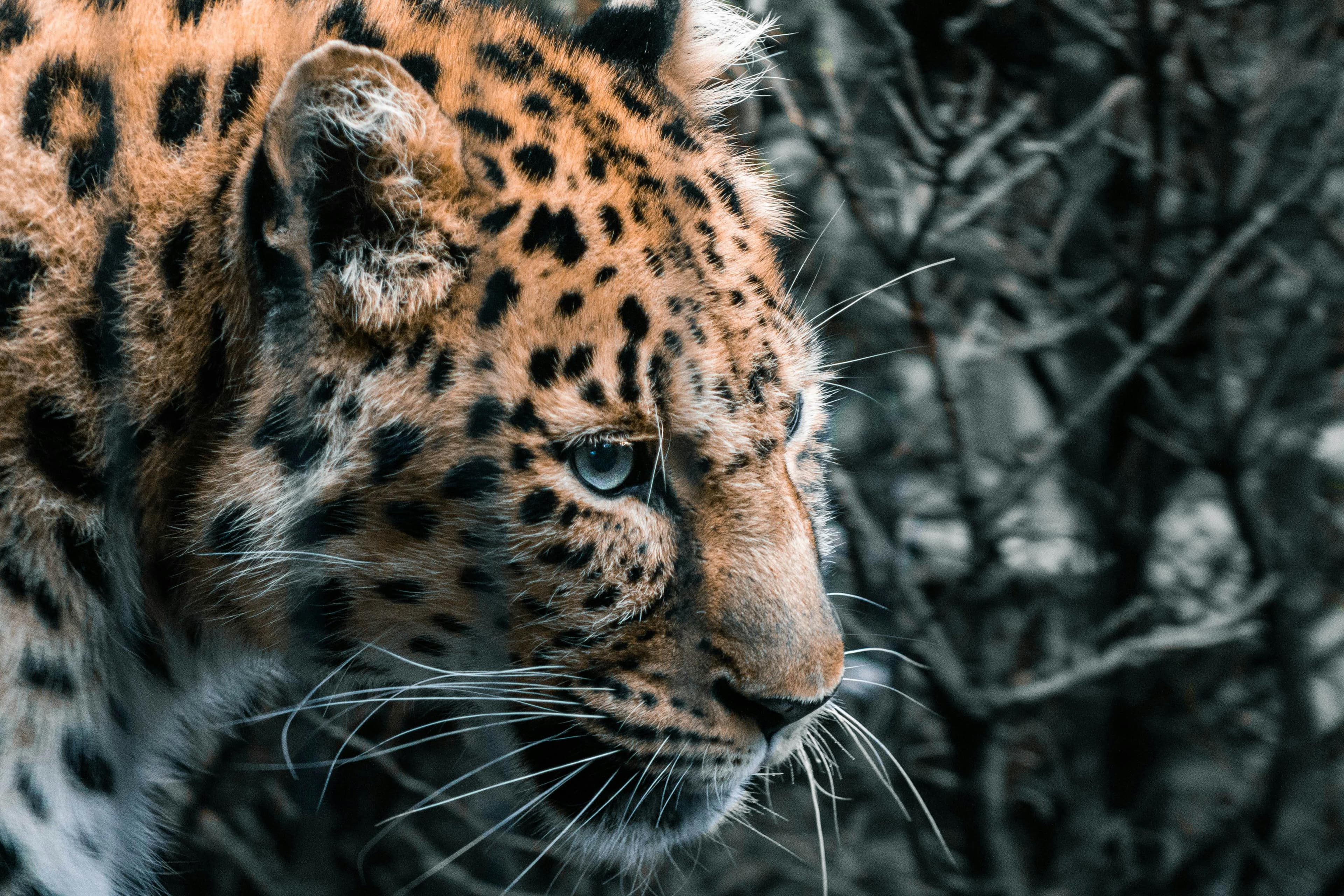
Leopard
Where to see Leopard in Nyerere
Solitary and elusive big cats, masters of stealth and ambush hunting.
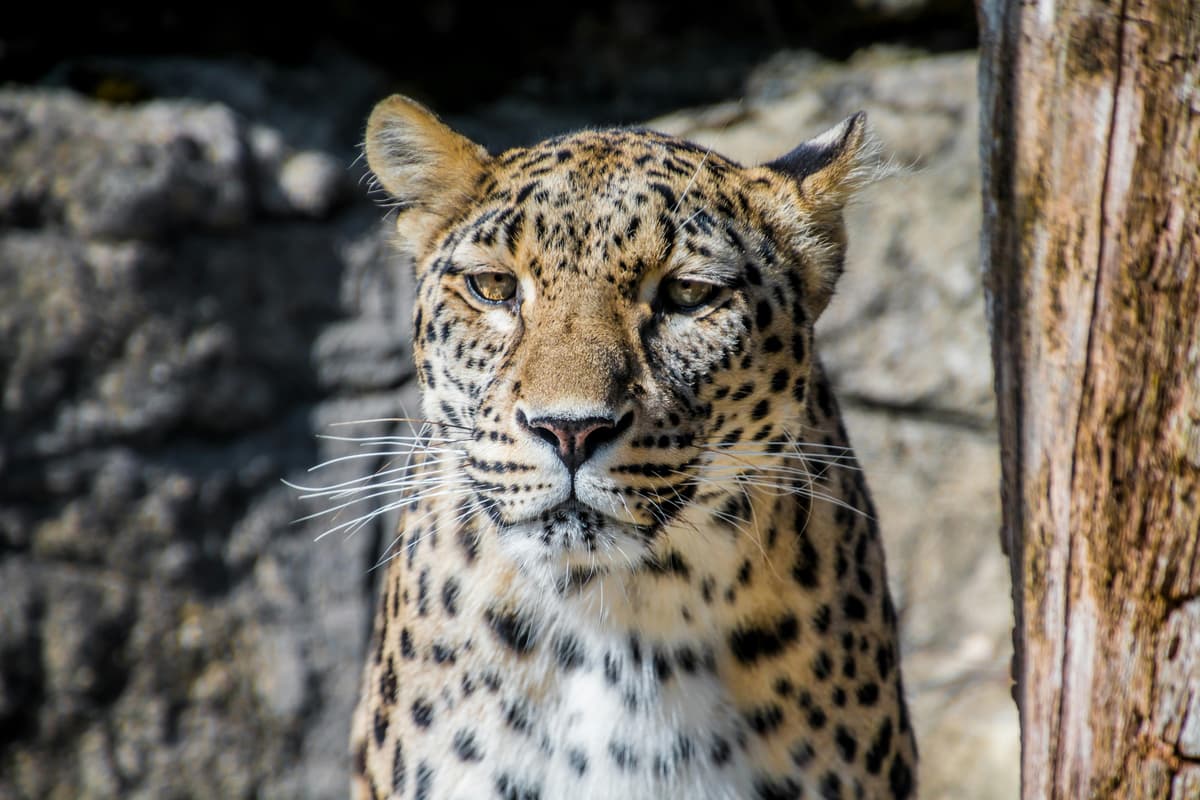
Quick Facts about Leopard
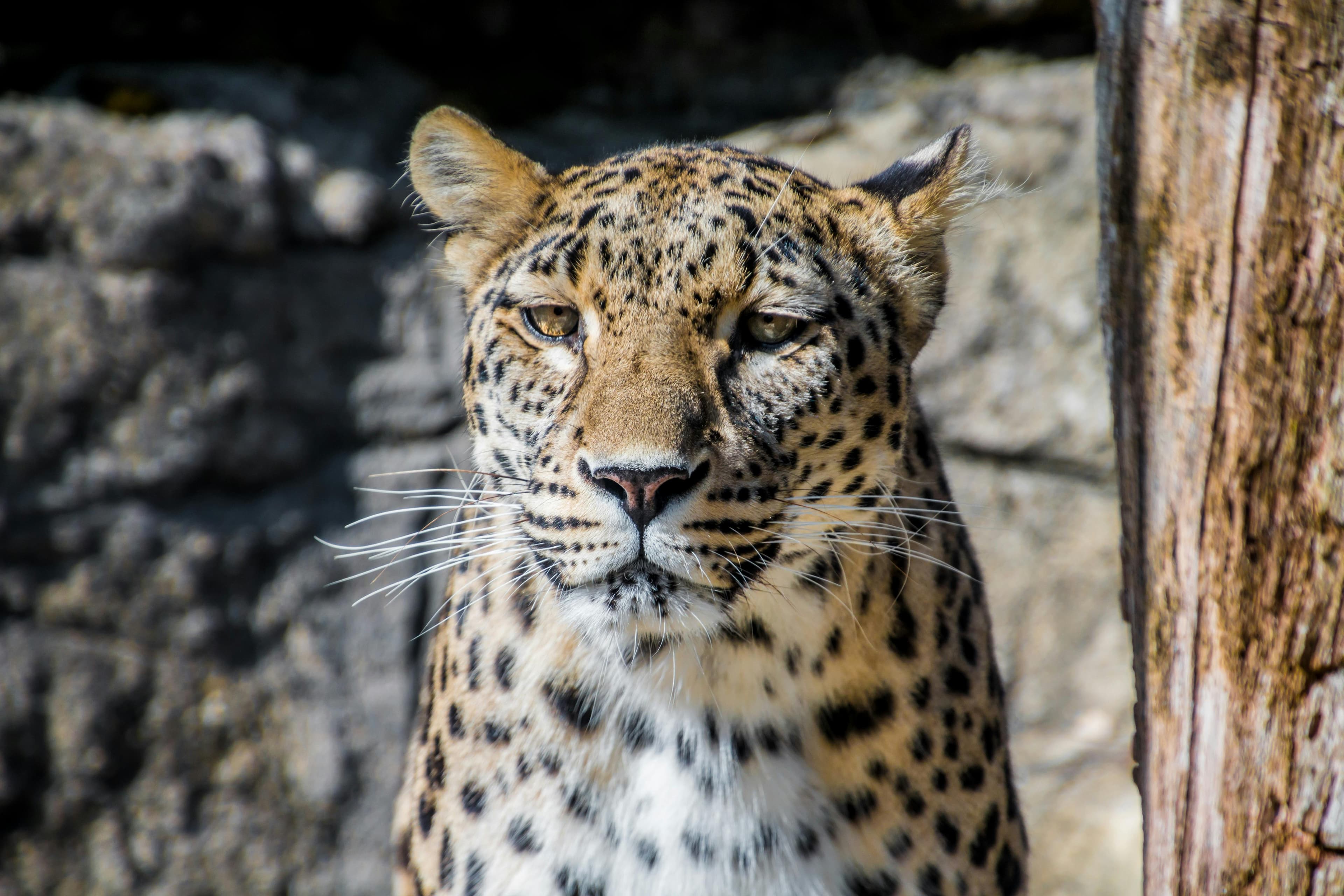
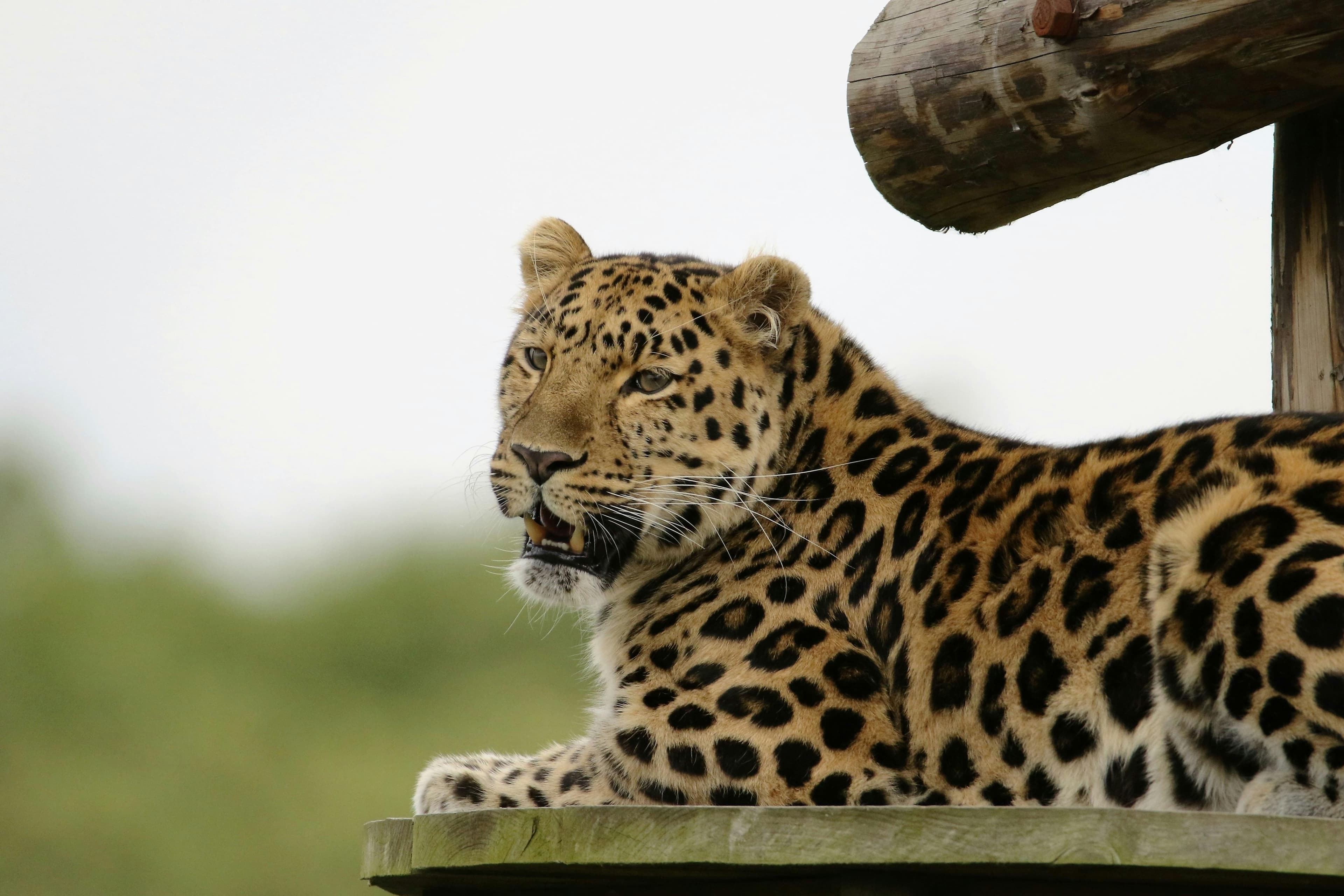
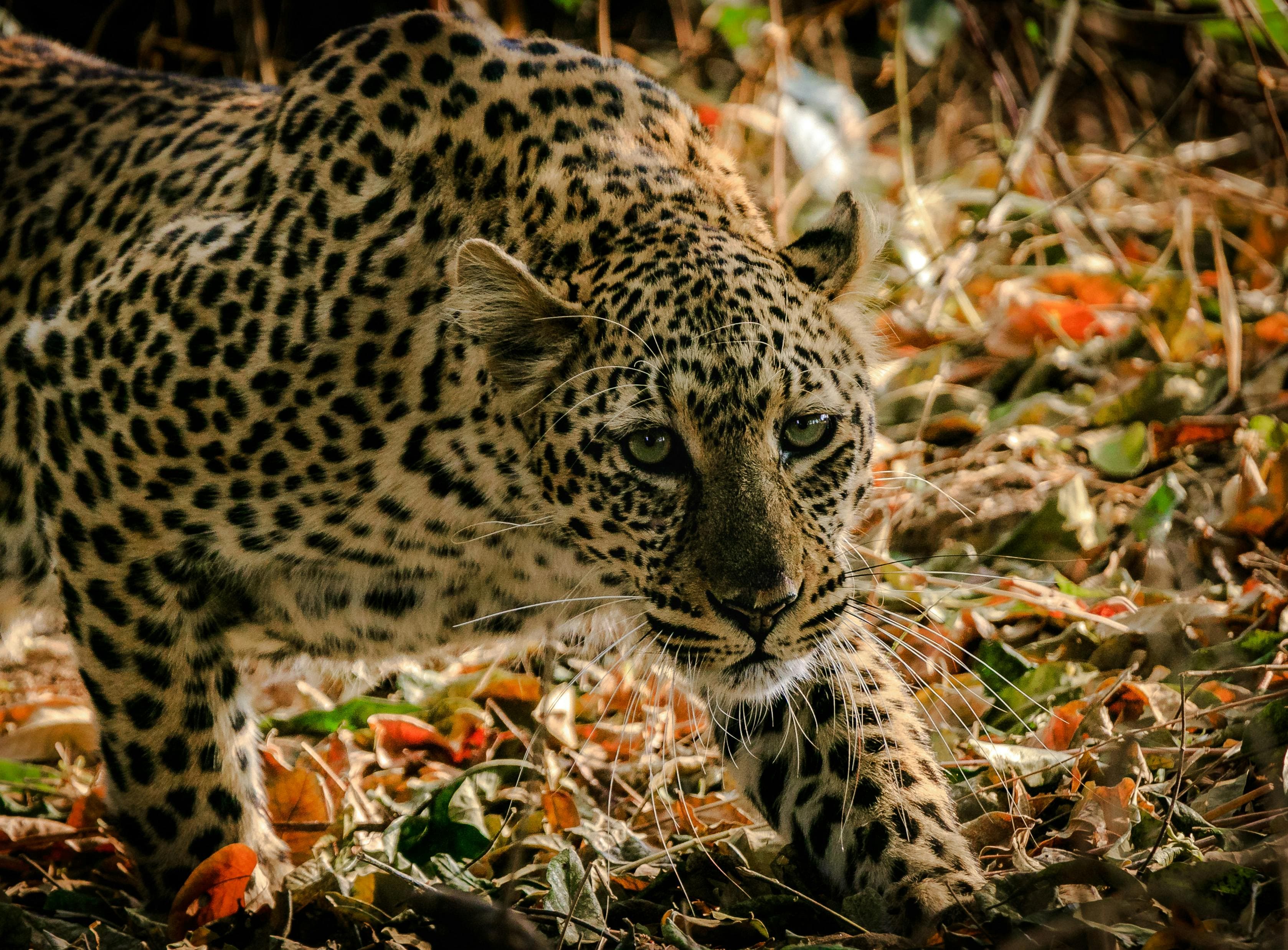
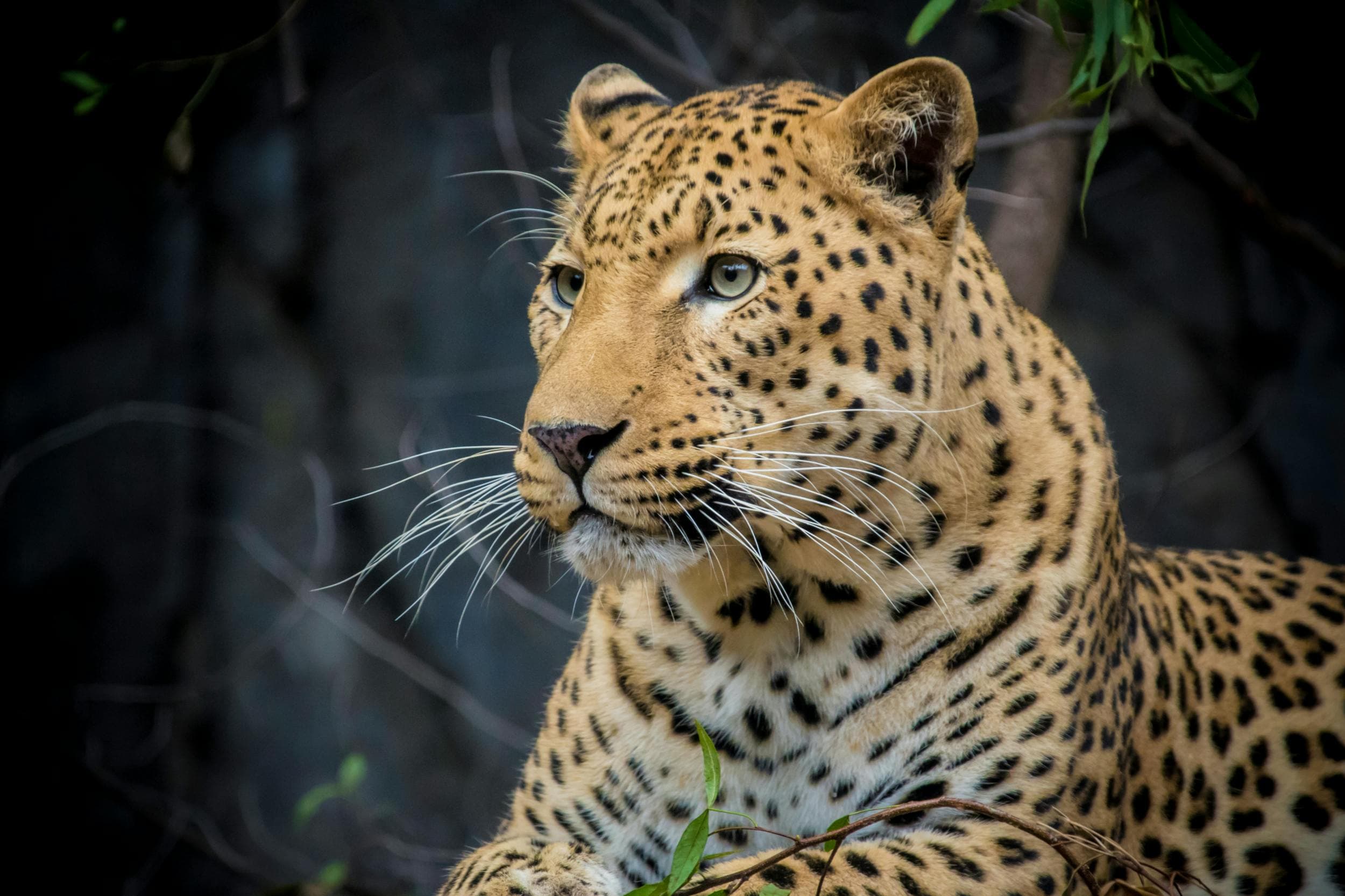
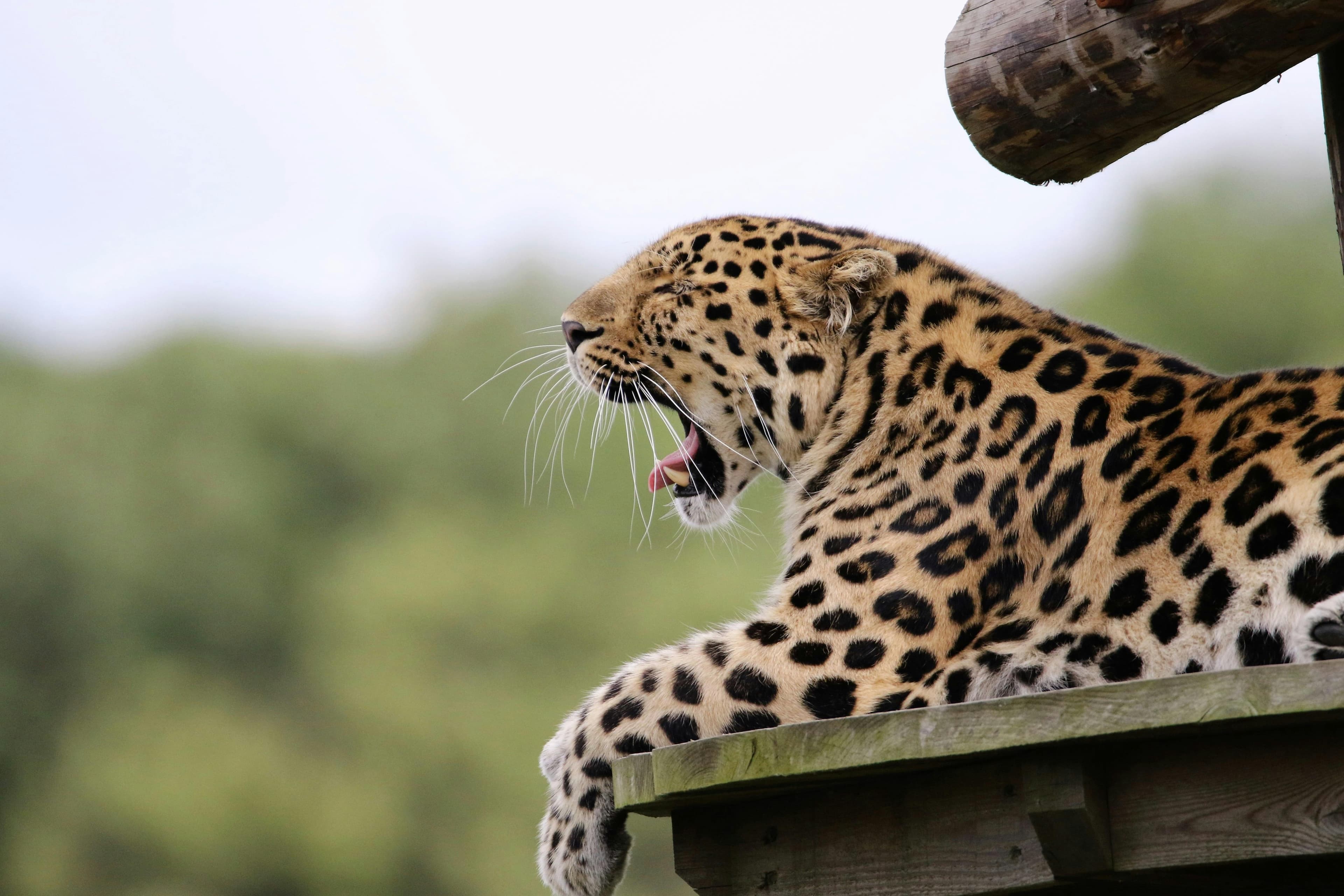
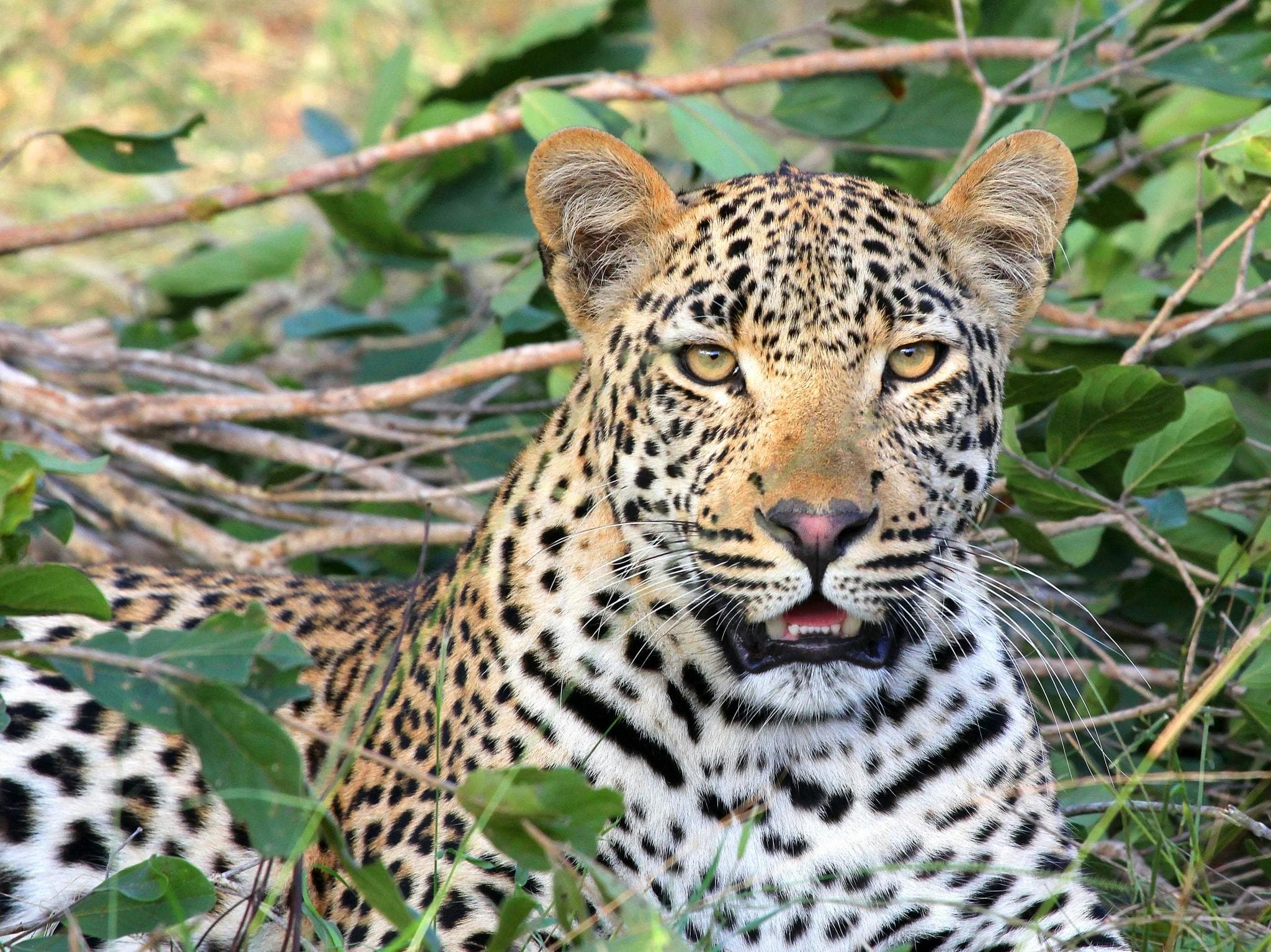
Leopards are medium-large cats, solitary by nature, and renowned for their stealth and ability to adapt to diverse habitats from dense forests to open plains. Their spotted coats provide excellent camouflage, allowing them to stalk and ambush prey effectively. Leopards are opportunistic hunters, preying on a variety of species including antelopes, primates, and smaller mammals.
They are highly adaptable, often climbing trees to store food away from scavengers like hyenas and lions. Female leopards raise cubs alone, teaching them essential survival and hunting skills. Their elusive behaviour makes sightings rare but highly rewarding for safari-goers.
In East Africa, leopards inhabit forests, savannahs, and rocky outcrops. Observing leopards in the wild offers a glimpse into their extraordinary camouflage, patience, and the complex predator-prey relationships that shape African ecosystems.
Up to 90 kg
Up to 2.5 m
12–17 years
Solitary
Safaris where you can see Leopard in Nyerere
Where to see Leopard in Nyerere
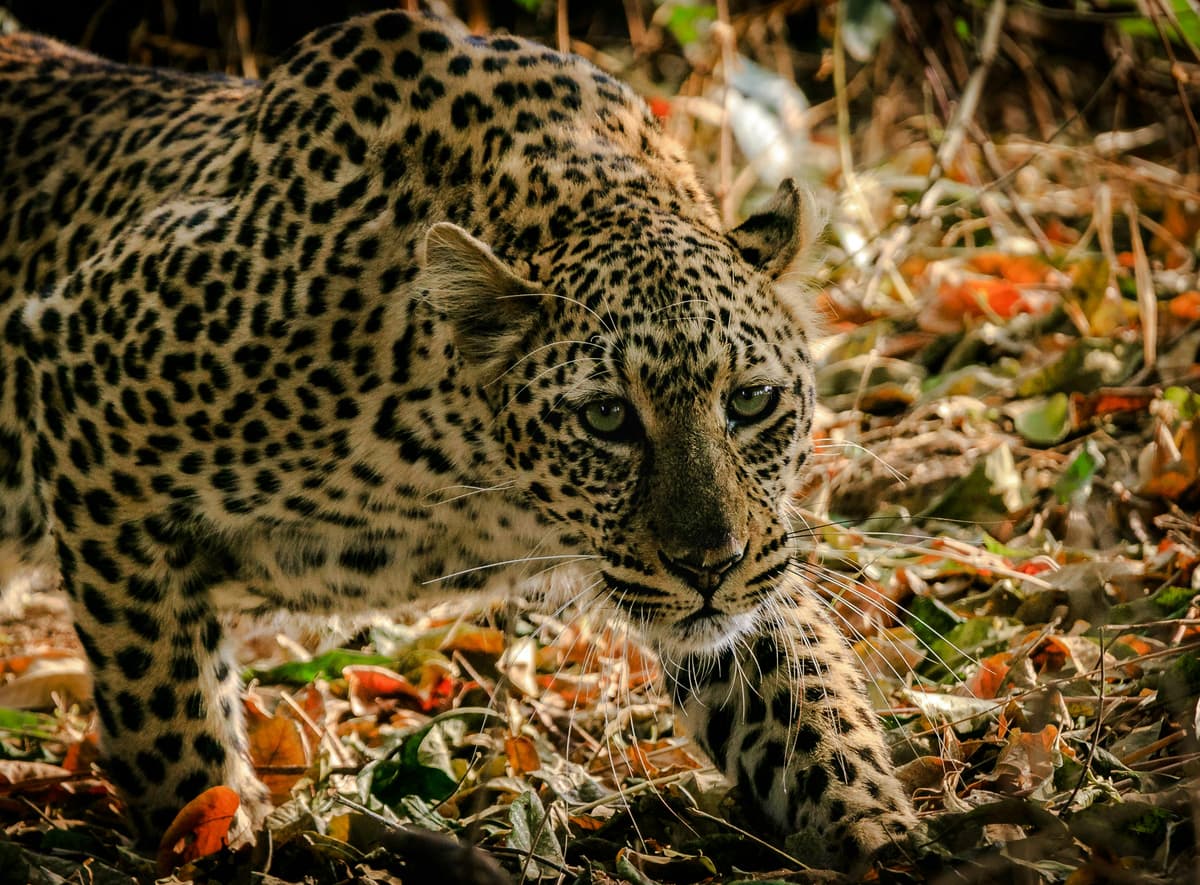
Leopards roam Nyerere’s woodlands and riverine forests, mostly unseen.
Top tips for viewing Leopard
Nyerere National Park contains leopards in its woodland patches and riverine forests. These elusive predators are rarely seen during the day but play an important role in the ecosystem as top predators.
They hunt medium-sized prey using stealth and ambush techniques, retreating to dense vegetation or trees to rest. Observing tracks, scratch marks, and scat provides clues to their presence.
Early morning and late afternoon game drives, combined with expert guidance, offer the best opportunities to understand leopard behaviour and spot these secretive cats in their natural environment.
Frequently Asked Questions
Find answers to the most common questions about this tour.
1
Where do leopards live in Nyerere?
Woodland patches and riverine forests provide cover and hunting grounds.
2
How do they hunt?
Leopards use stealth and ambush techniques to capture medium-sized prey.
3
Best viewing times?
Early morning and late afternoon drives maximize chances of spotting them.
4
Can signs help locate them?
Yes, tracks, scat, and claw marks indicate leopard presence.
5
Tips for safari?
Guided drives and patience are essential for seeing these secretive predators.