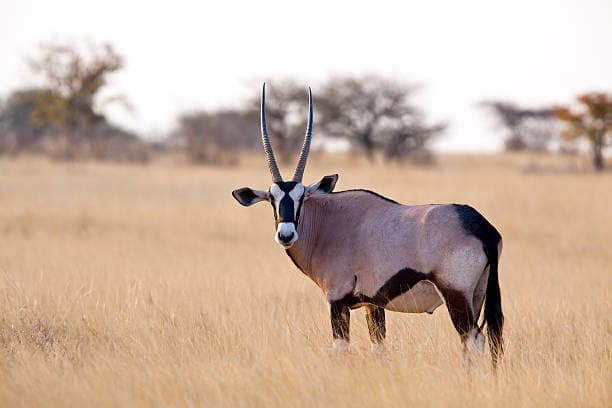
Oryx
Where to see Oryx in Nyerere
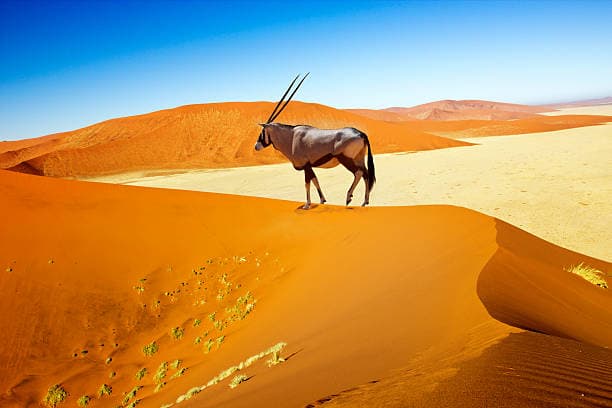
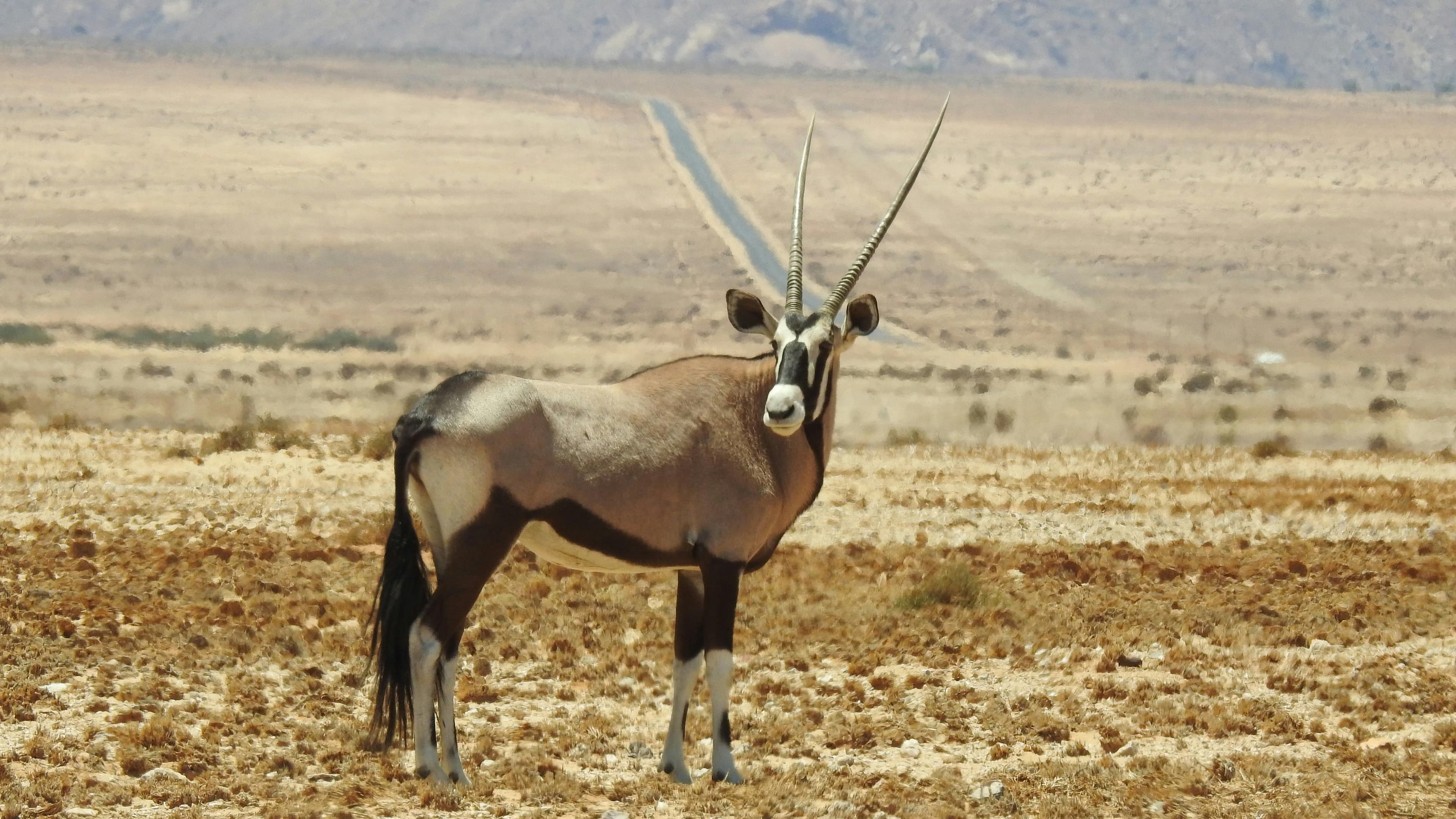
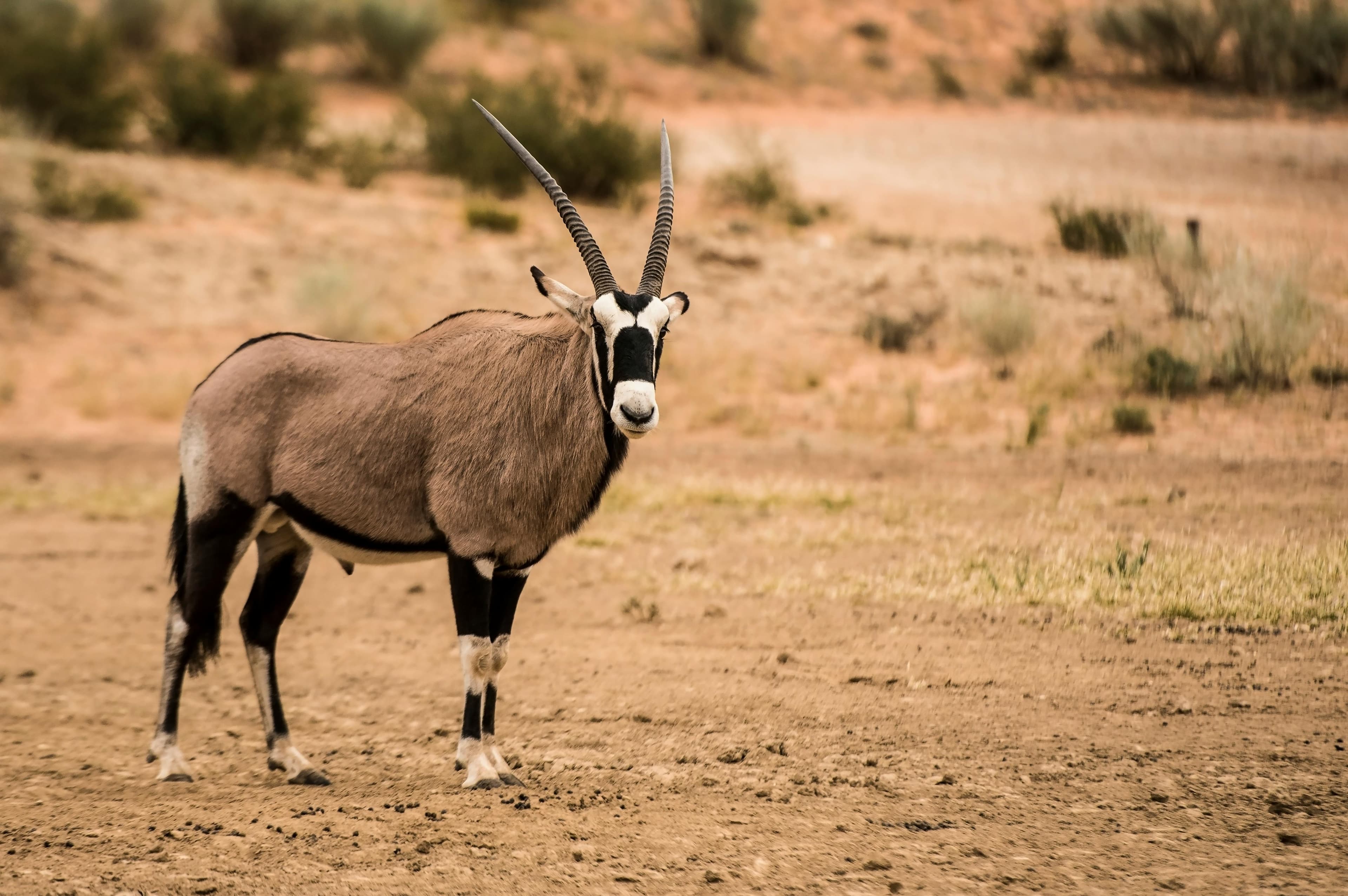
Striking desert-adapted antelope with long straight horns, known for surviving harsh arid landscapes.
Quick Facts about Oryx
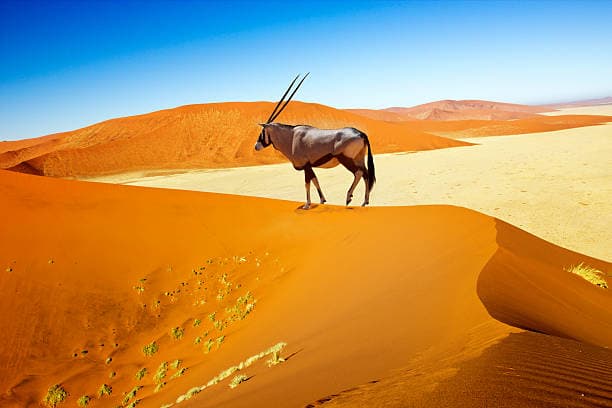
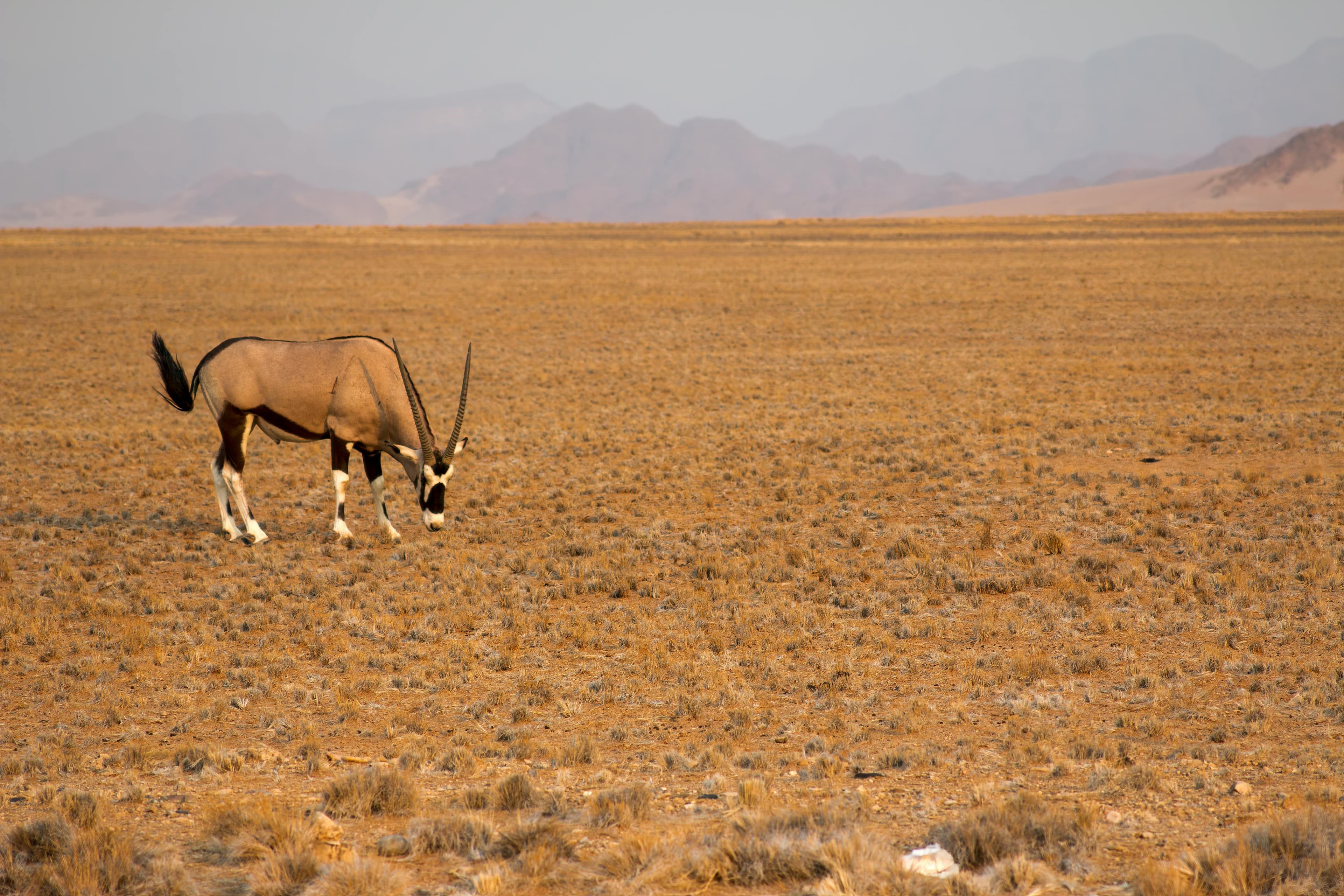
Oryx are medium-sized antelopes adapted to arid and semi-arid environments. They are herbivorous, feeding on tough grasses, leaves, and occasional fruits, and can survive long periods without water by regulating body temperature and reducing activity during the hottest hours.
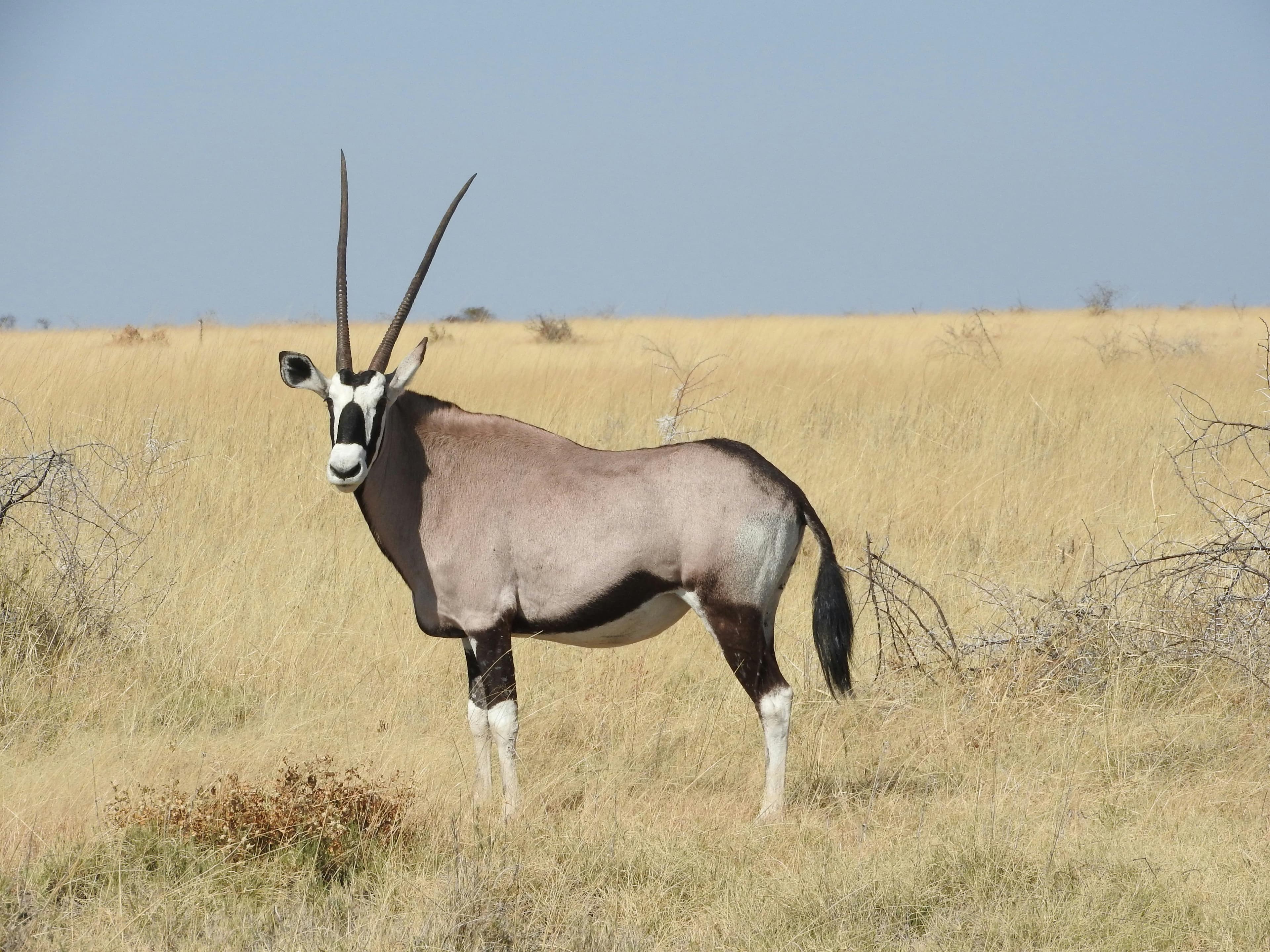
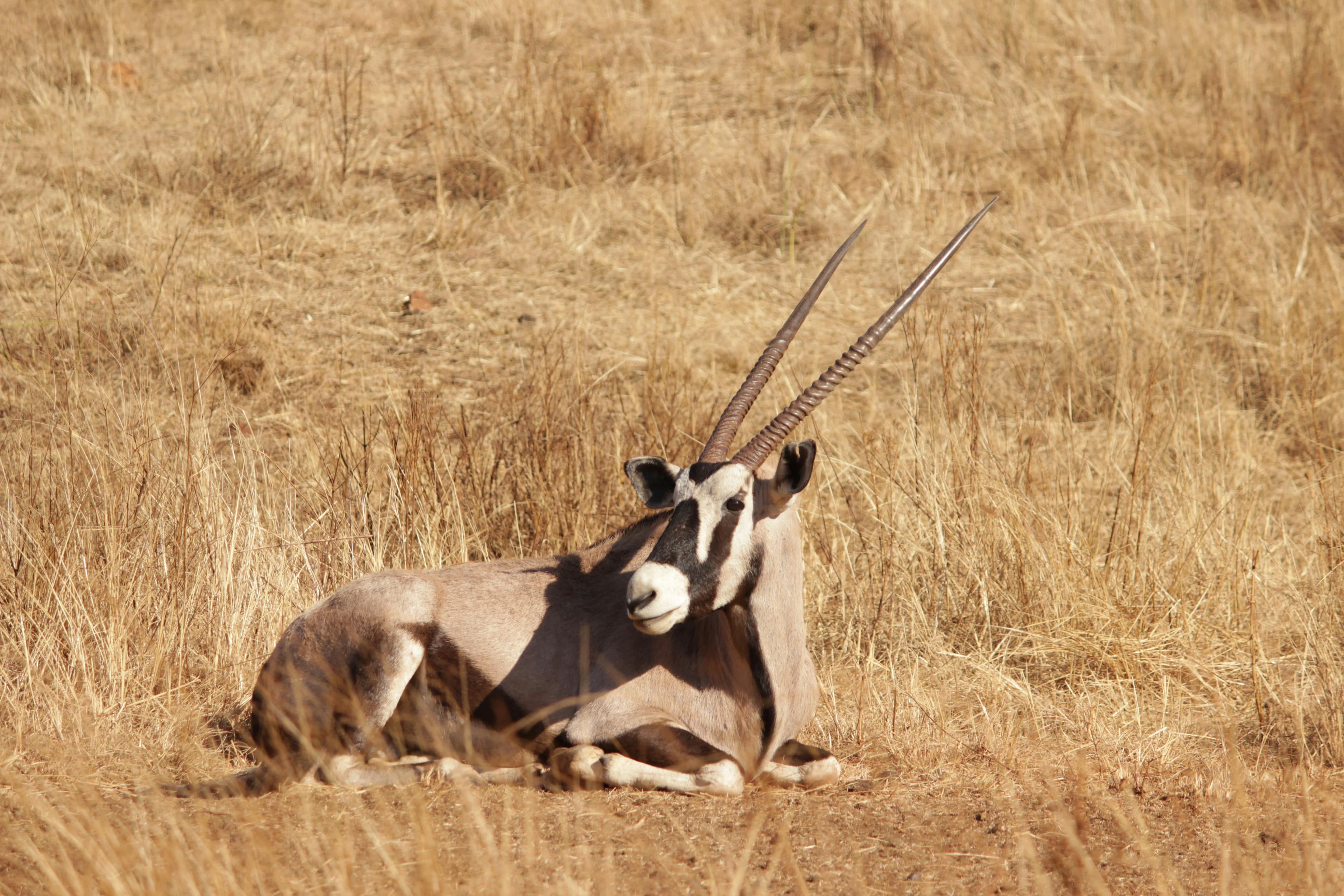
Social animals, oryx live in herds that provide safety and aid in locating scarce water and forage. Their long, straight horns are used for defense and establishing dominance, while their striking black-and-white facial markings are distinctive and help with individual recognition.
Oryx are highly resilient and play an important ecological role by shaping vegetation patterns and serving as prey for large predators. Their presence indicates healthy, arid ecosystems and offers a unique safari experience in dry landscapes.
Up to 240 kg
1.8 m
20 years
Arid regions
Safaris where you can see Oryx in Nyerere

Where to see Oryx in Nyerere
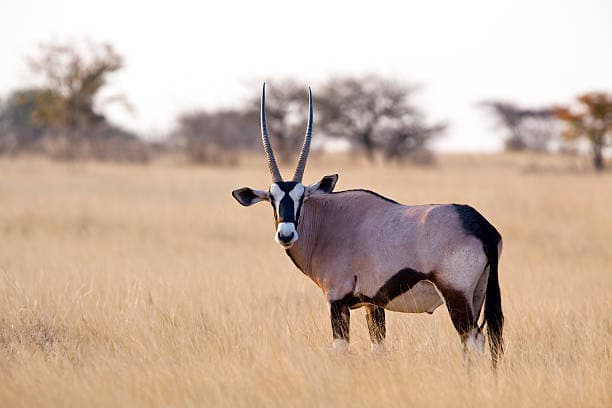
Oryx roam Nyerere’s dry plains and open woodlands, often in small herds.
Top tips for viewing Oryx
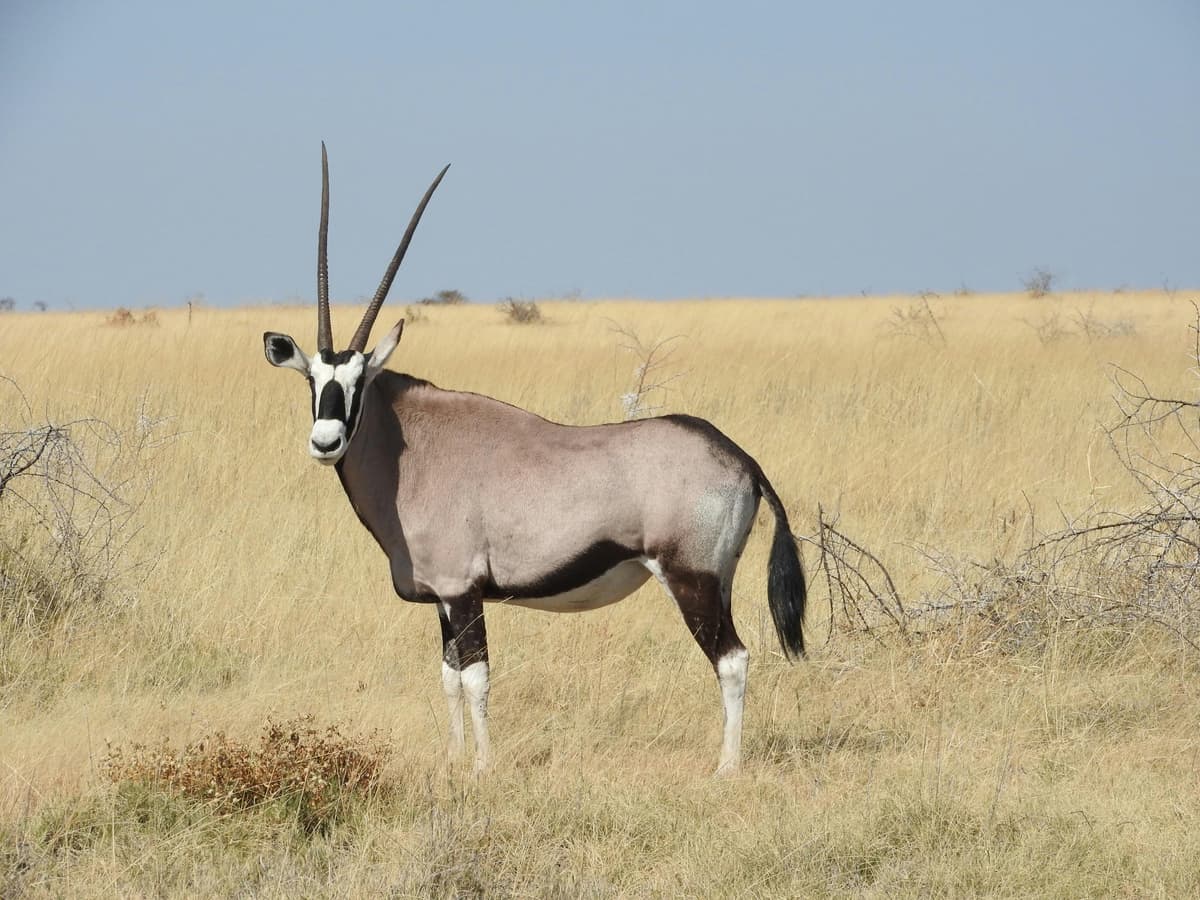
Nyerere National Park is a prime location to spot the elusive oryx, a striking antelope with long, straight horns and distinctive facial markings. They inhabit dry plains and lightly wooded areas, blending gracefully into their environment.
Small herds typically forage quietly during the cooler morning and evening hours. Observing their movements provides insight into how these desert-adapted antelopes manage scarce water and grazing resources across the park’s vast landscape.
Because the oryx population is limited and shy, guided multi-day excursions greatly increase the likelihood of encounters. Visitors may also observe interactions with other antelope species, gaining a deeper understanding of herd dynamics and territorial behaviour.
Frequently Asked Questions
Find answers to the most common questions about this tour.
1
Where do oryx live in Nyerere?
They inhabit dry plains and open woodlands, often near sparse water sources, using their camouflage to stay safe from predators.
2
When are they most active?
Oryx are most visible during early morning and late afternoon when temperatures are cooler and they forage for grass.
3
How big are the herds?
They usually move in small herds of 5-15 individuals, often led by a dominant male.
4
Can I observe interactions with other animals?
Yes, they sometimes share grazing areas with eland, topi, or roan antelope, showing mixed-species dynamics.
5
Tips for spotting?
Extended guided safaris in quiet, open areas increase chances, and spotting fresh tracks can lead you to nearby groups.