Zebra
Where to see Zebra in Serengeti
Iconic black-and-white grazers that shape Africa’s open plains and travel in vast, noisy herds.
Quick Facts about Zebra
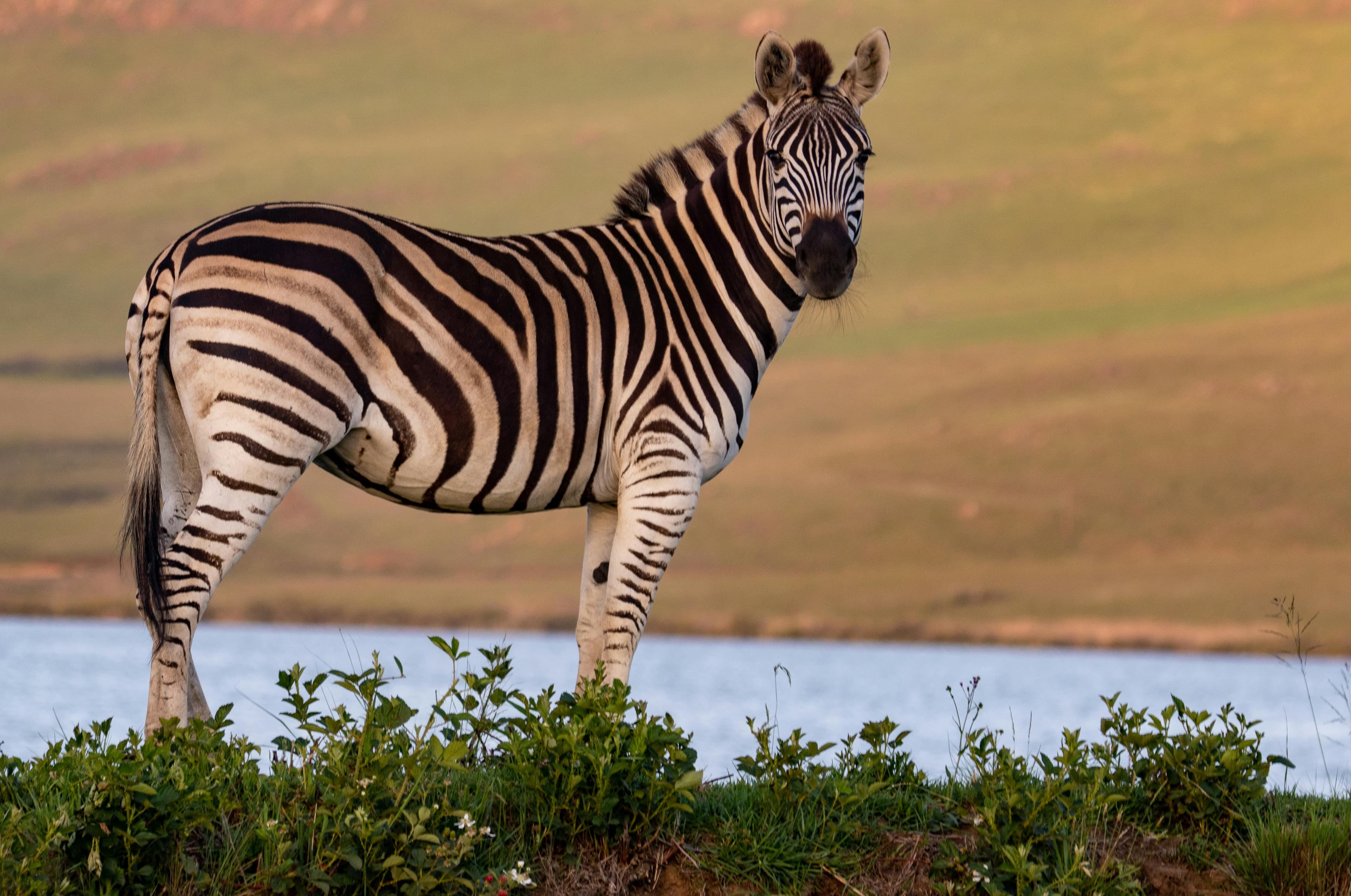
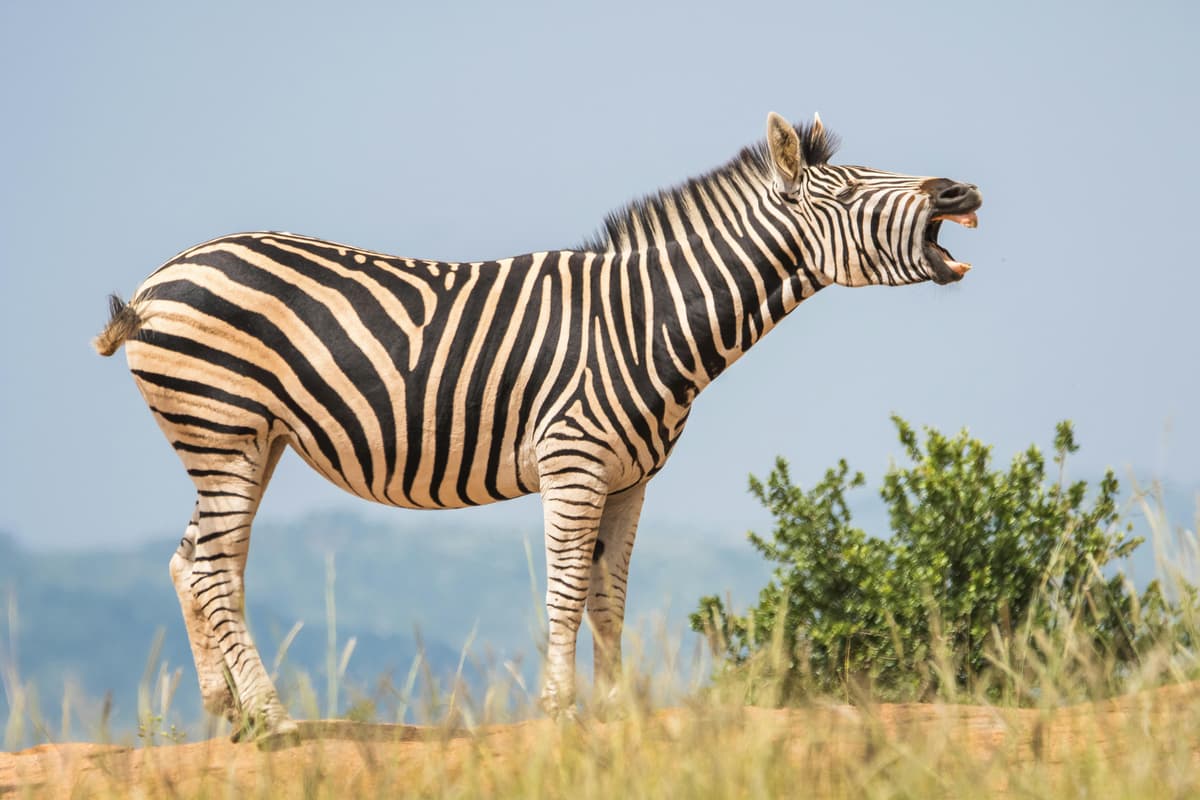
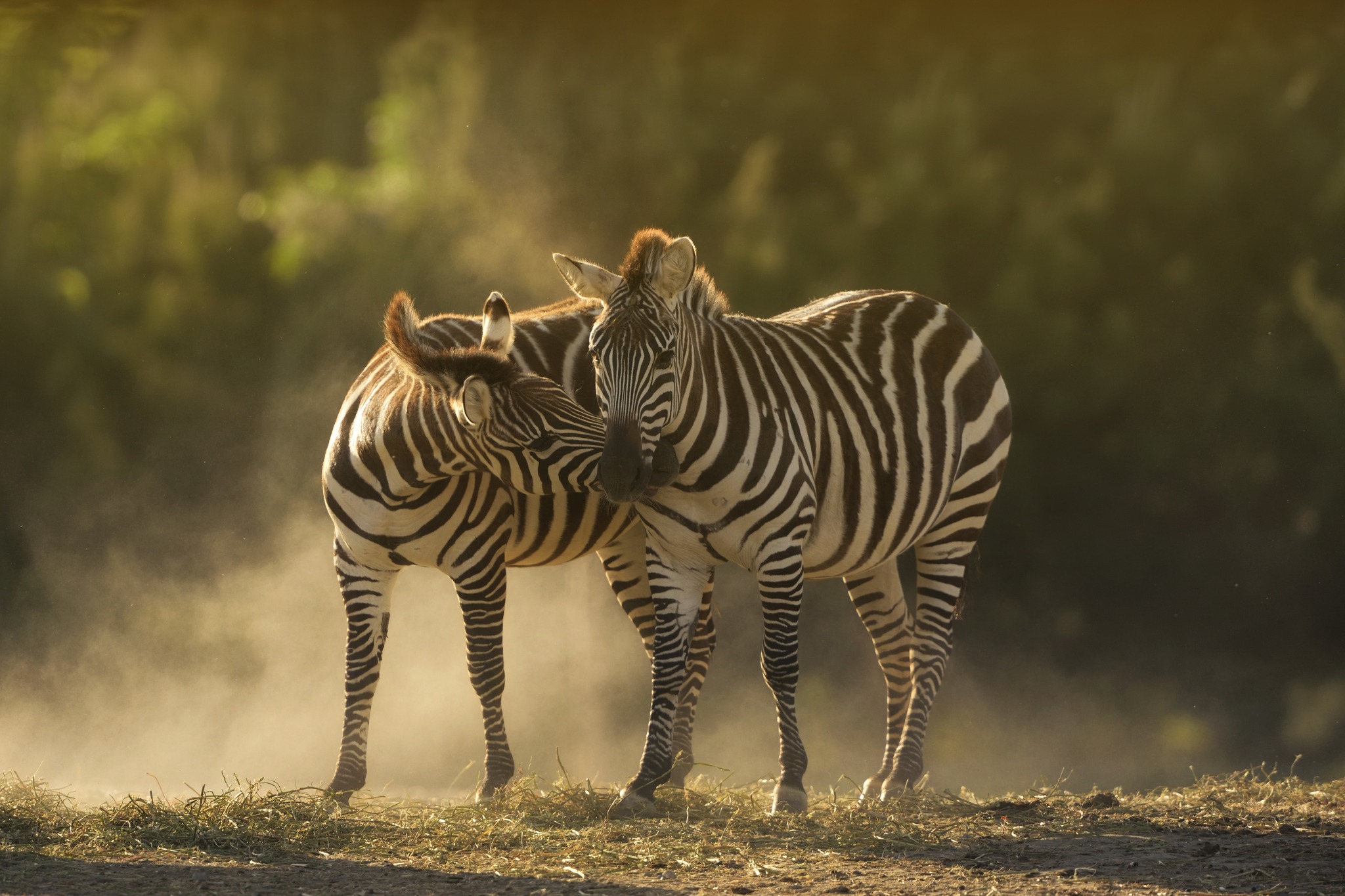
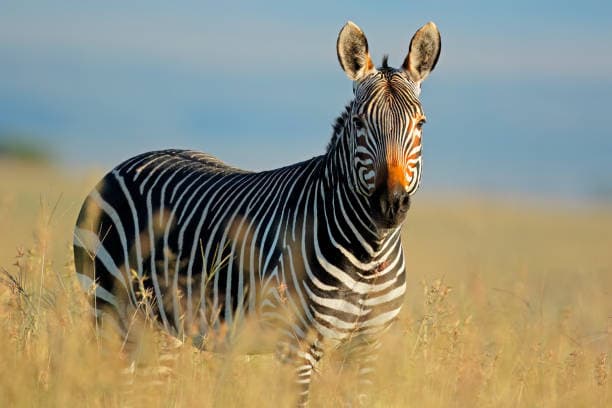
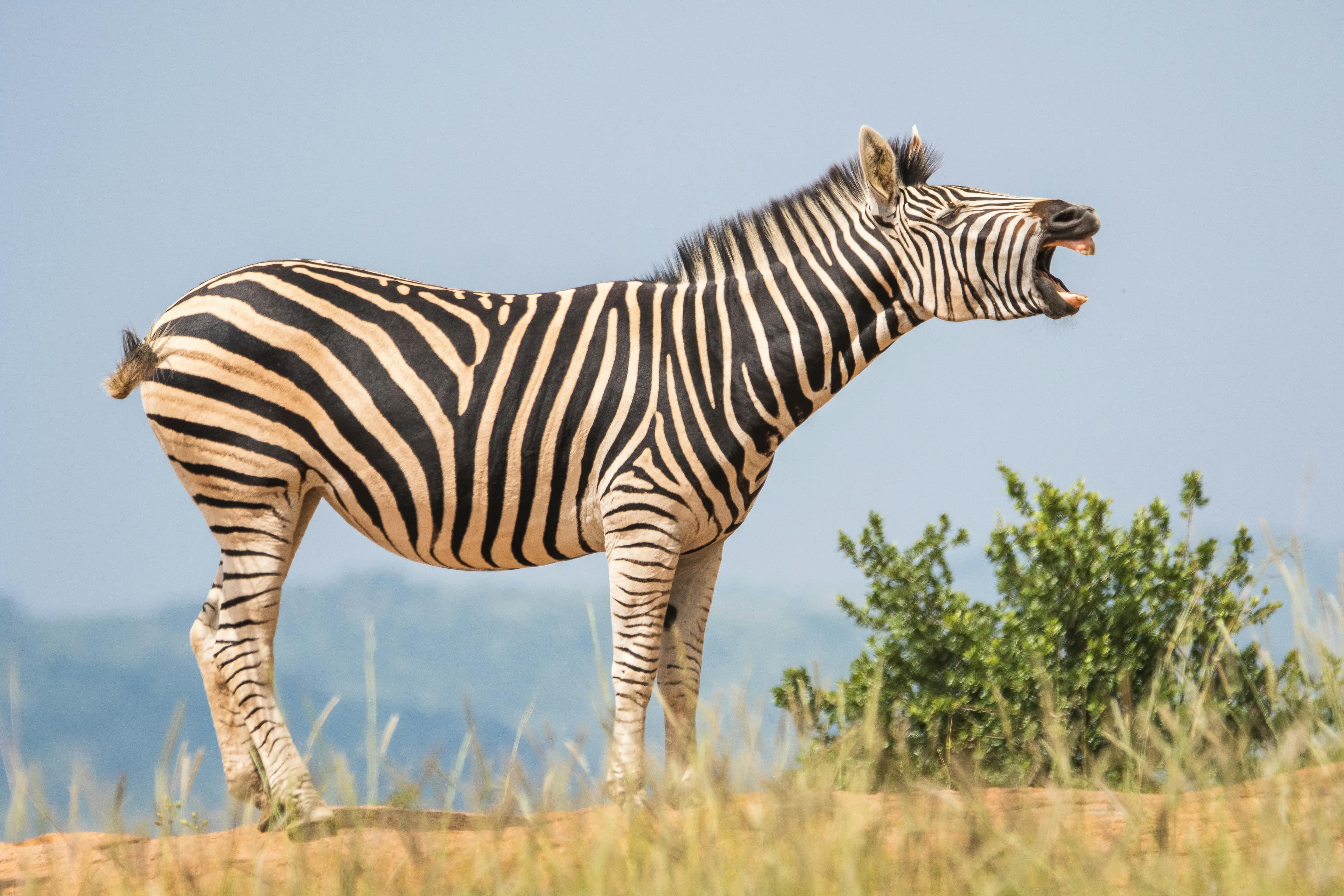
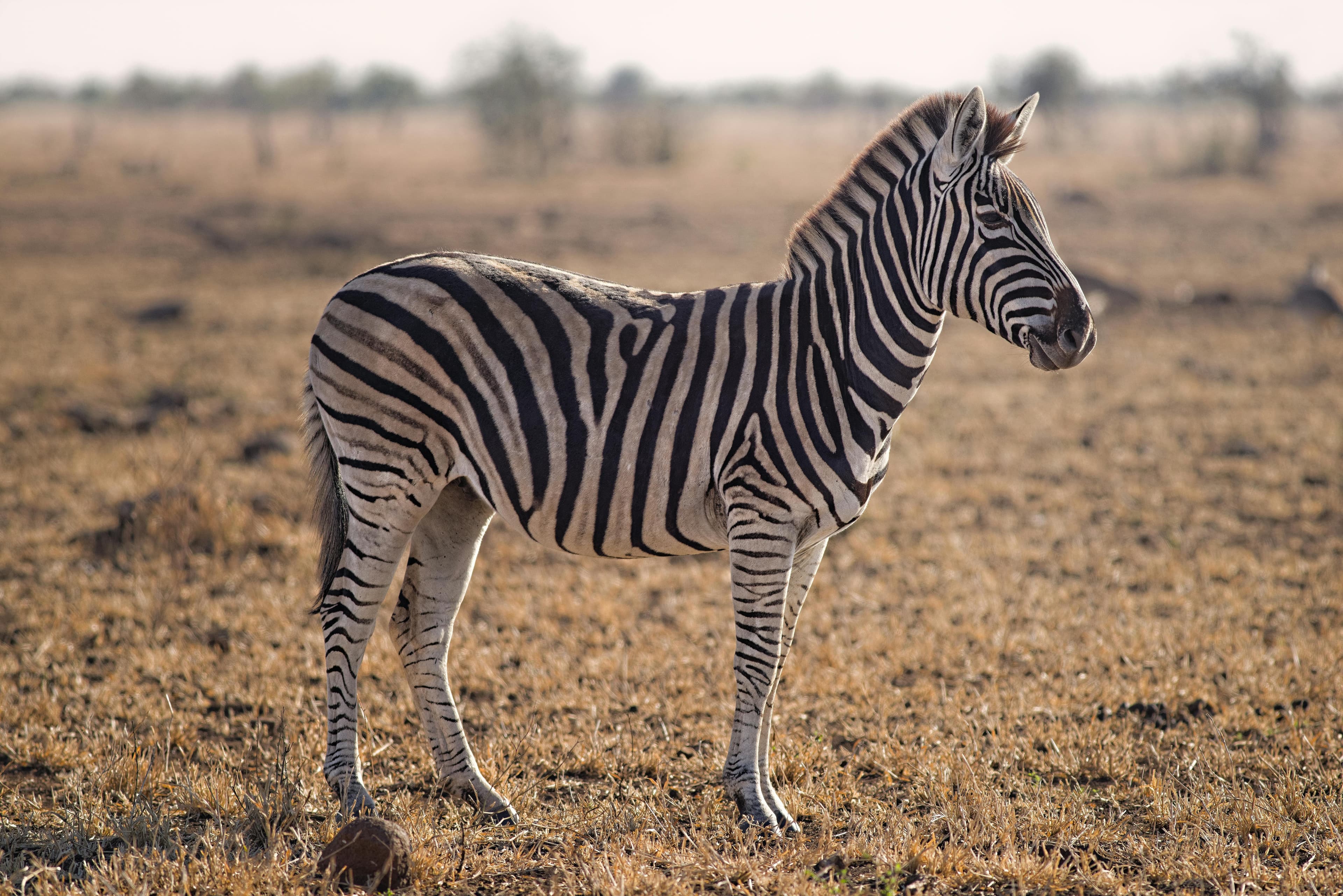
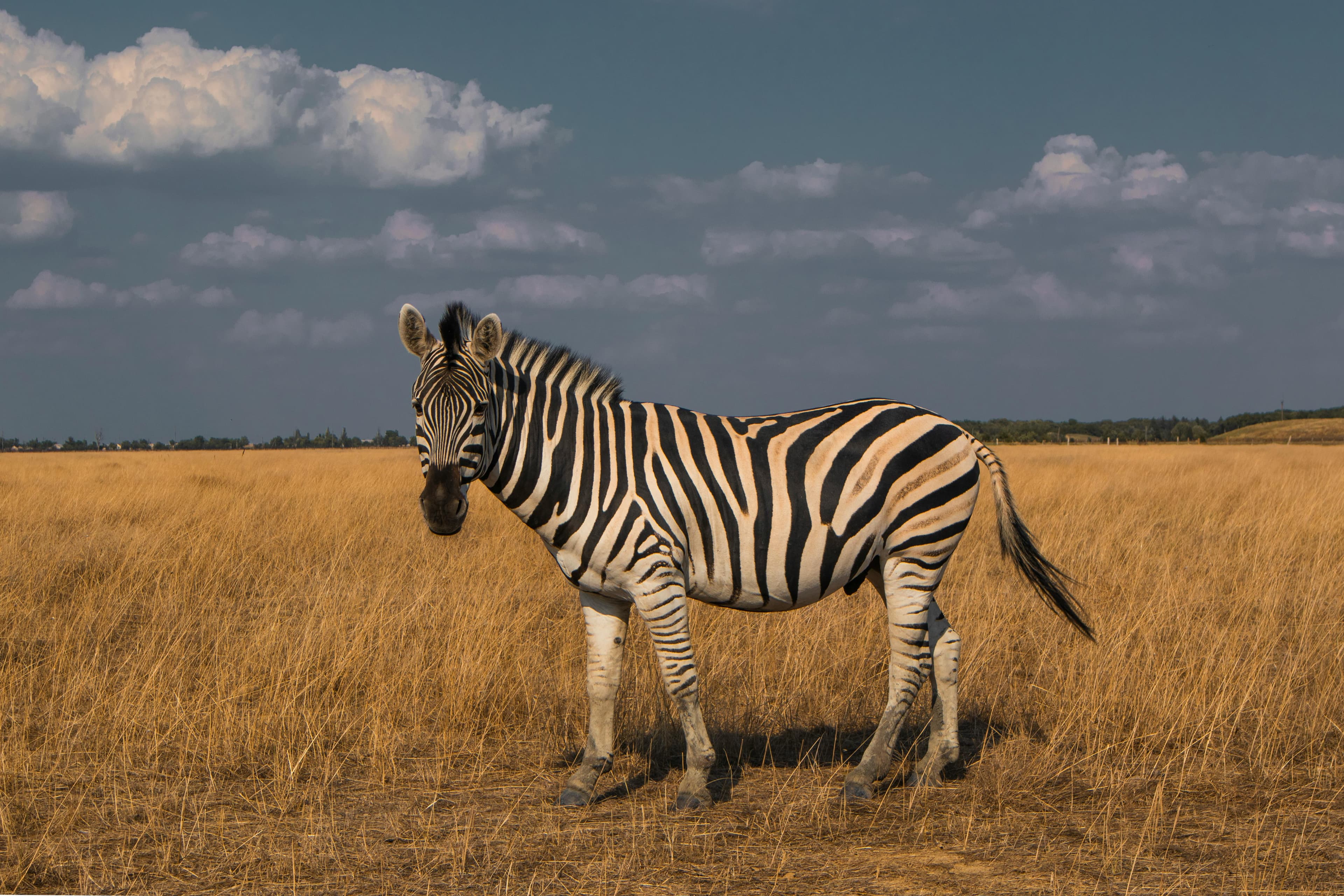
Zebras are among Africa’s most recognisable mammals, immediately identifiable by their striking black-and-white stripes. Each animal’s stripe pattern is unique, functioning as both camouflage and a deterrent to blood-sucking flies. Plains zebras travel in tight family groups and very large migratory herds, moving across the landscape in search of fresh pasture and water.
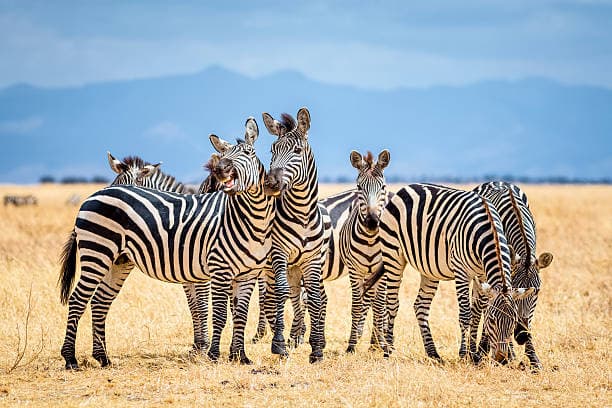
These social herbivores rely on alert sentries, strong herd cohesion and powerful kicks to deter predators. Stalls often form around waterholes where juveniles drink under close maternal guard. Mares usually give birth to a single foal that can stand and run within an hour – a remarkable survival strategy on predator-rich plains.
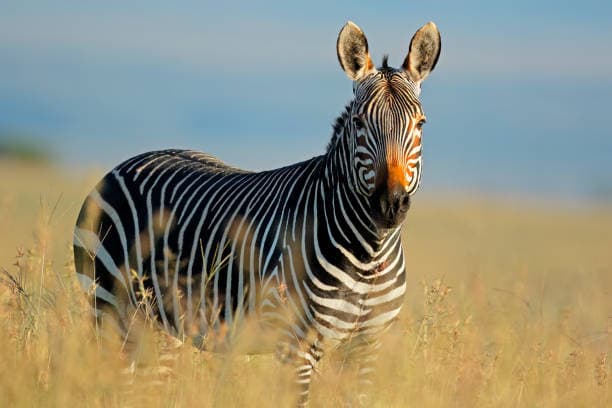
There are three widely recognised zebra species – plains, mountain and Grevy’s – each adapted to different habitats. As grazers they play a crucial role in maintaining savannah structure, cropping grass and creating new growth for other species.
3
Up to 65 km/h
Herds of 300+
20–25 years
Safaris where you can see Zebra in Serengeti
4-Day Safari in Serengeti, Ngorongoro and Tarangrire NP
2-Day Safari from Z'Bar to Serengeti & Ngorongoro Crater
4-Day Tanzania Northern Circuit Experience
4-Day Private Safari Migration Spot Northern Serengeti
5-Day Budget-Private Serengeti, Ngorongoro, Tarangire
3-Day Tanzania Mid-Range Honeymooners Fly-in Safari
Where to see Zebra in Serengeti
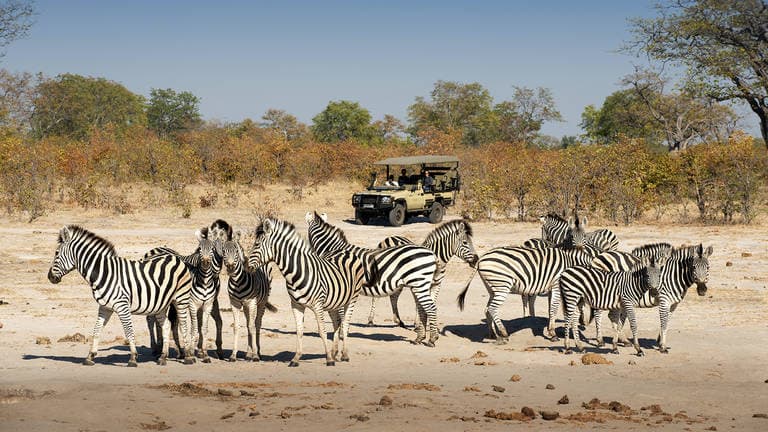
Plains zebras roam vast Serengeti plains in large, noisy herds.
Top tips for viewing Zebra
Serengeti National Park is iconic for its massive zebra herds, particularly during the great migration. These striking black-and-white grazers travel in family groups or migratory columns, often mingling with wildebeest and gazelles.
Early mornings and late afternoons are the best times to observe zebras grazing or moving across the plains. Their social interactions — from mothers guiding foals to sentry behaviour spotting predators — are fascinating to witness.
Outside the migration season, zebras remain visible year-round near water sources and grasslands. Walking safaris or guided game drives reveal signs of recent movements, including hoofprints and fresh droppings.
Frequently Asked Questions
Find answers to the most common questions about this tour.
1
When are zebras most visible?
Early morning and late afternoon.
2
Do zebras migrate?
Yes, part of the great migration with wildebeest and gazelles.
3
Can I see foals?
Yes, mares give birth to foals that can run within an hour.
4
Where else to spot zebras?
Near waterholes and open grasslands.
5
Any tips for spotting?
Look for mixed-species herds and watch for sentries.