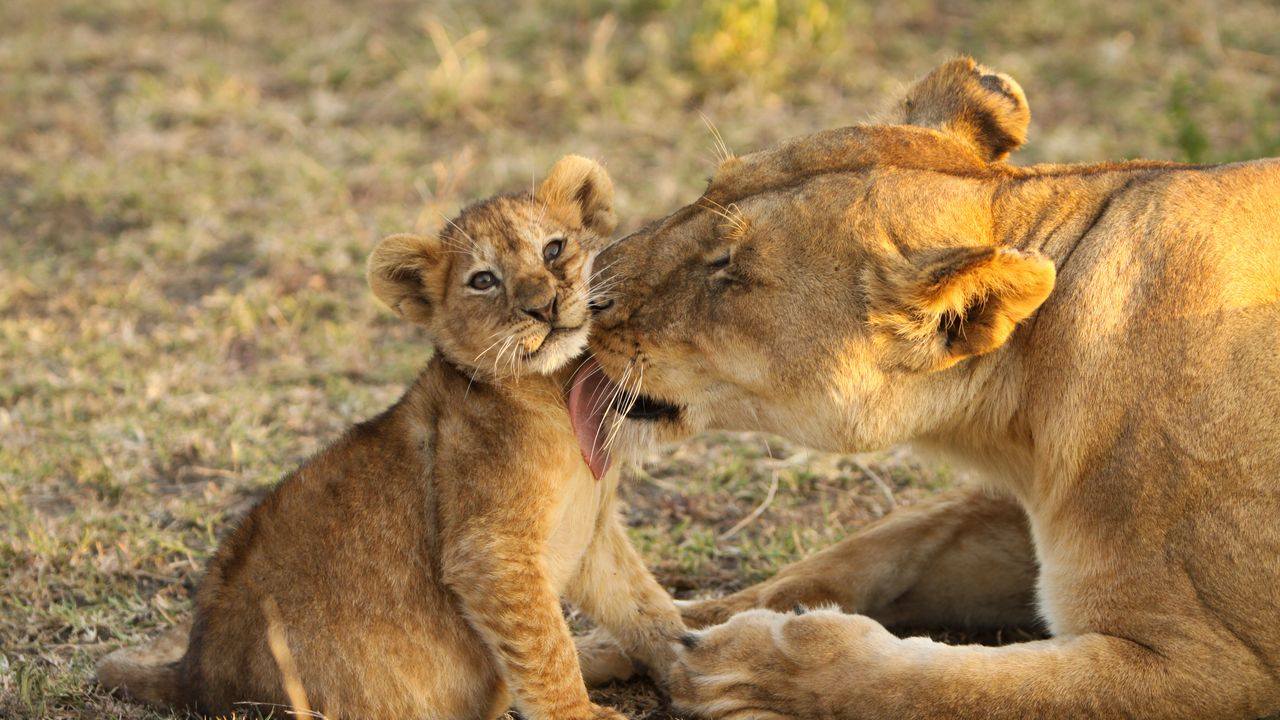
Wildlife in Nyerere National Park
Nyerere National Park, formerly the Selous Game Reserve, is one of Tanzania’s most wildlife-rich landscapes, famous for its untouched wilderness and outstanding big-game encounters. Along the chain of lakes on the main safari circuit, travelers can expect frequent sightings of giraffes, buffaloes, zebras, waterbucks, impalas, and massive elephant herds drinking at the water’s edge. Lions are often seen nearby, especially during the dry months, when they take advantage of easy prey at the rivers and lakes.
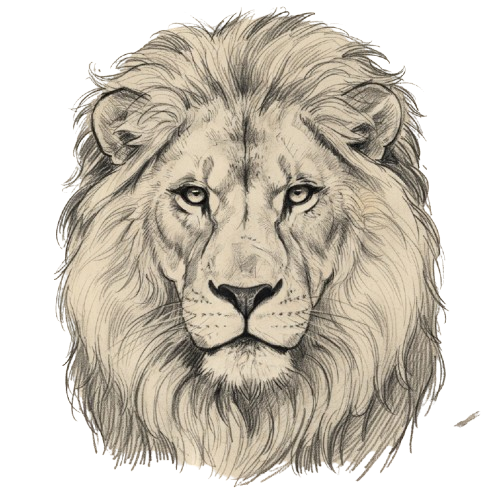
Occasional
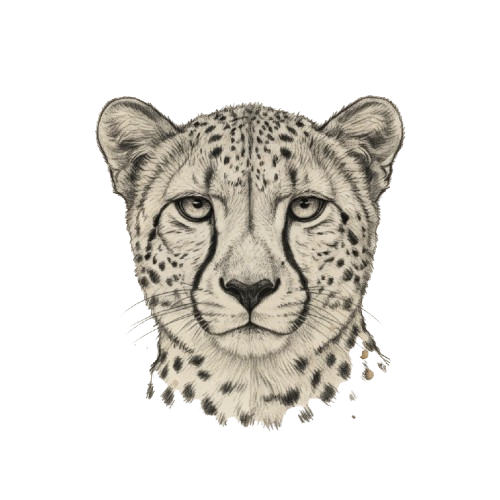
Rare
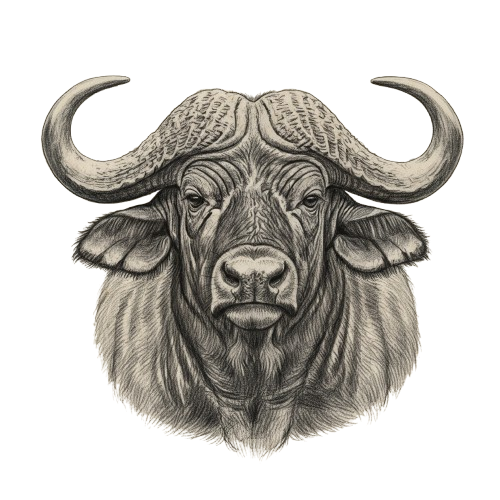
Common
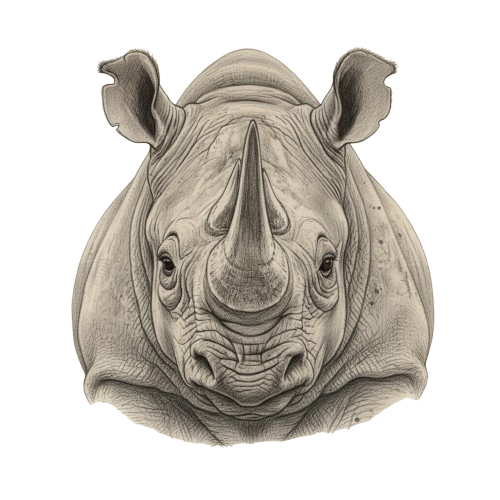
None
None
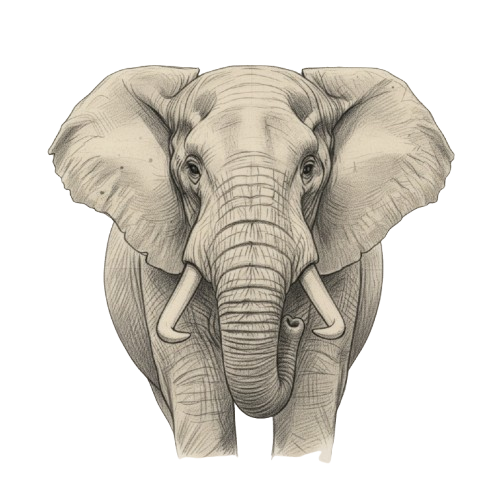
Common
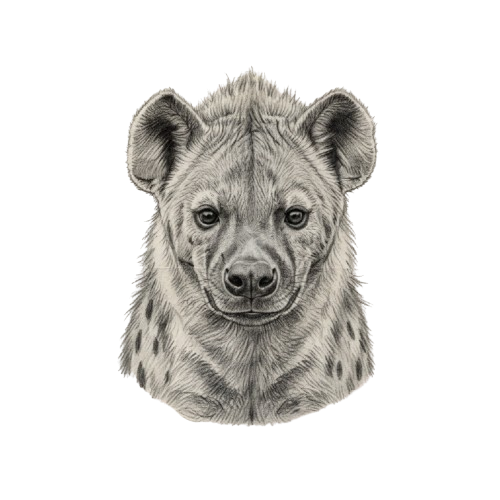
Common
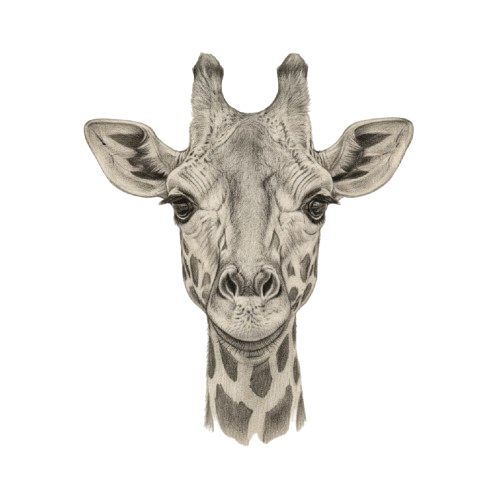
Abundant
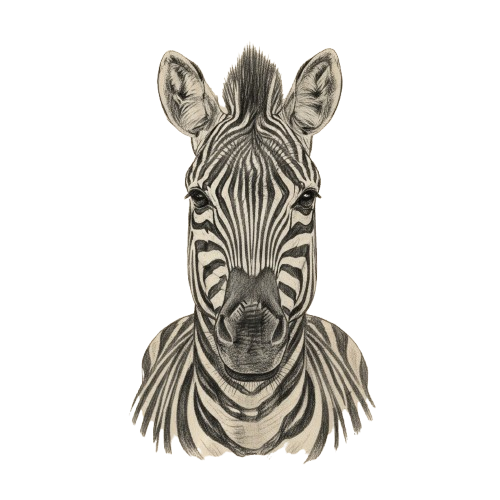
Common
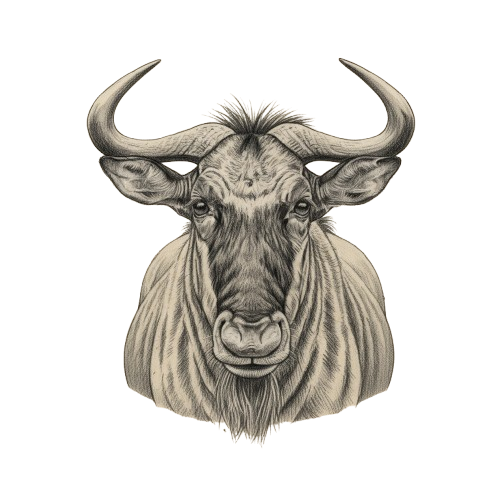
Common
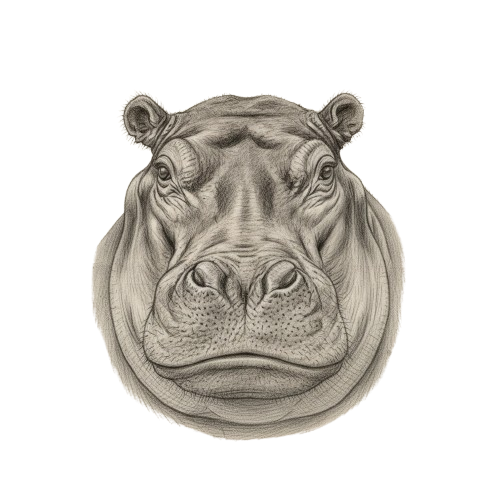
Abundant
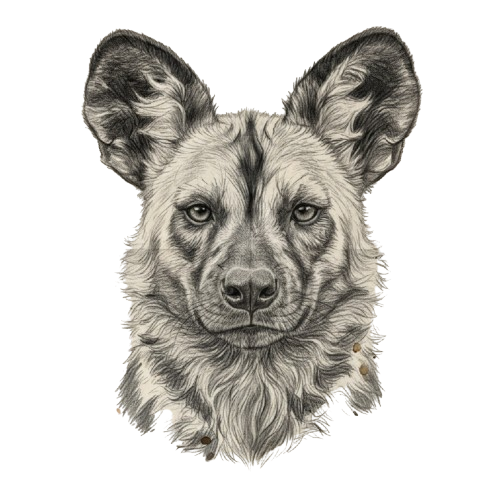
Occasional
Key Species and Wildlife Highlights
Nyerere is one of Africa’s last strongholds for the endangered African wild dog, making it a prime destination for travelers hoping to witness these intelligent, highly social predators in the wild. Packs can roam dozens of kilometers in a single day, but the most reliable time to see them is during the denning season (June-August), when they stay closer to one area to raise their pups.
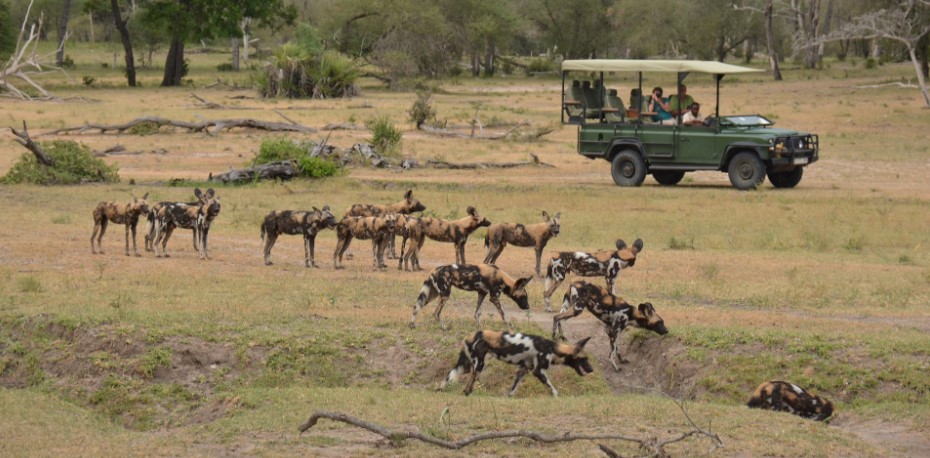
Wild Dogs in Nyerere National Park
The park’s variety of antelope species adds to its biodiversity. Visitors have good chances of spotting greater kudus, common elands, waterbucks, and the elegant sable antelope, a rare and striking species known for its curved horns and deep black coat. The sable prefers thicker woodland, making it one of the park’s more elusive treasures.
Best Time to Visit Nyerere National Park
The dry season (June-October) is widely considered the best time to visit Nyerere National Park. Vegetation is sparse, wildlife gathers along the Rufiji River, and sightings are more predictable. Elephants, hippos, crocodiles, lions, and large herbivore herds cluster around shrinking water sources, creating incredible photographic opportunities. The weather is warm, sunny, and ideal for full-day game drives, walking safaris, and boat safaris.
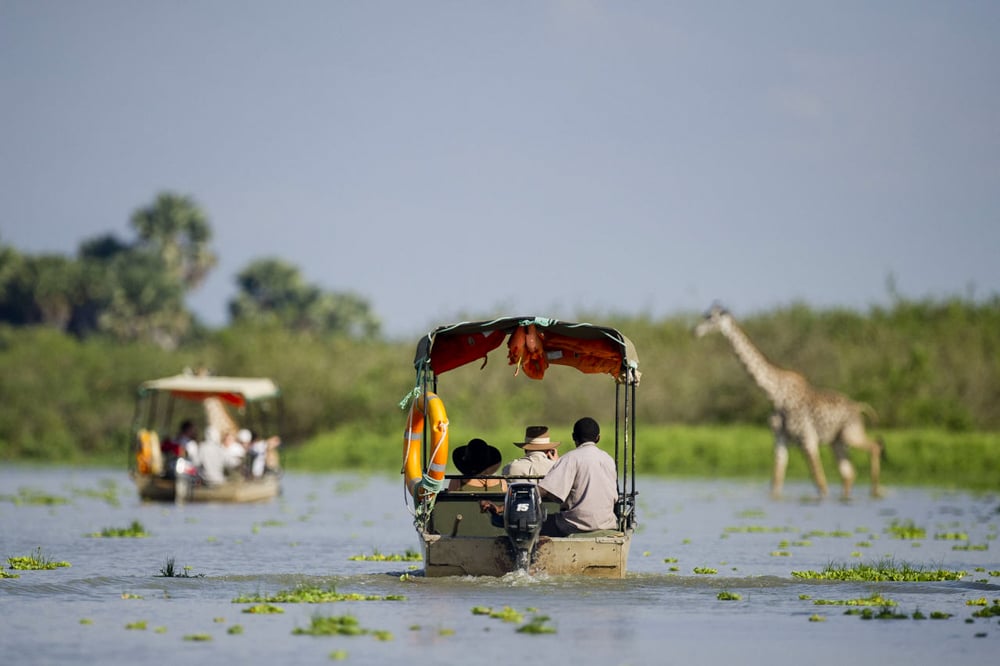
Boat Safari in Nyerere National park
The wet season (November-May) brings dramatic changes to the park’s scenery. The plains turn lush and green, migratory birds arrive in huge numbers, and newborn animals are often seen in early months of the rains. However, the heavier rainfall from April to June can render some roads difficult and cause seasonal camp closures. While general wildlife viewing is more challenging, birdwatching is at its peak, and the landscape becomes exceptionally photogenic. More info about best time to visit Nyerere National Park
When to See African Wild Dogs
For travelers specifically hoping to see wild dogs, one of Nyerere’s signature species, the best window is June to August. This is when packs remain close to their dens to protect their pups, making sightings more frequent and easier for guides to track.
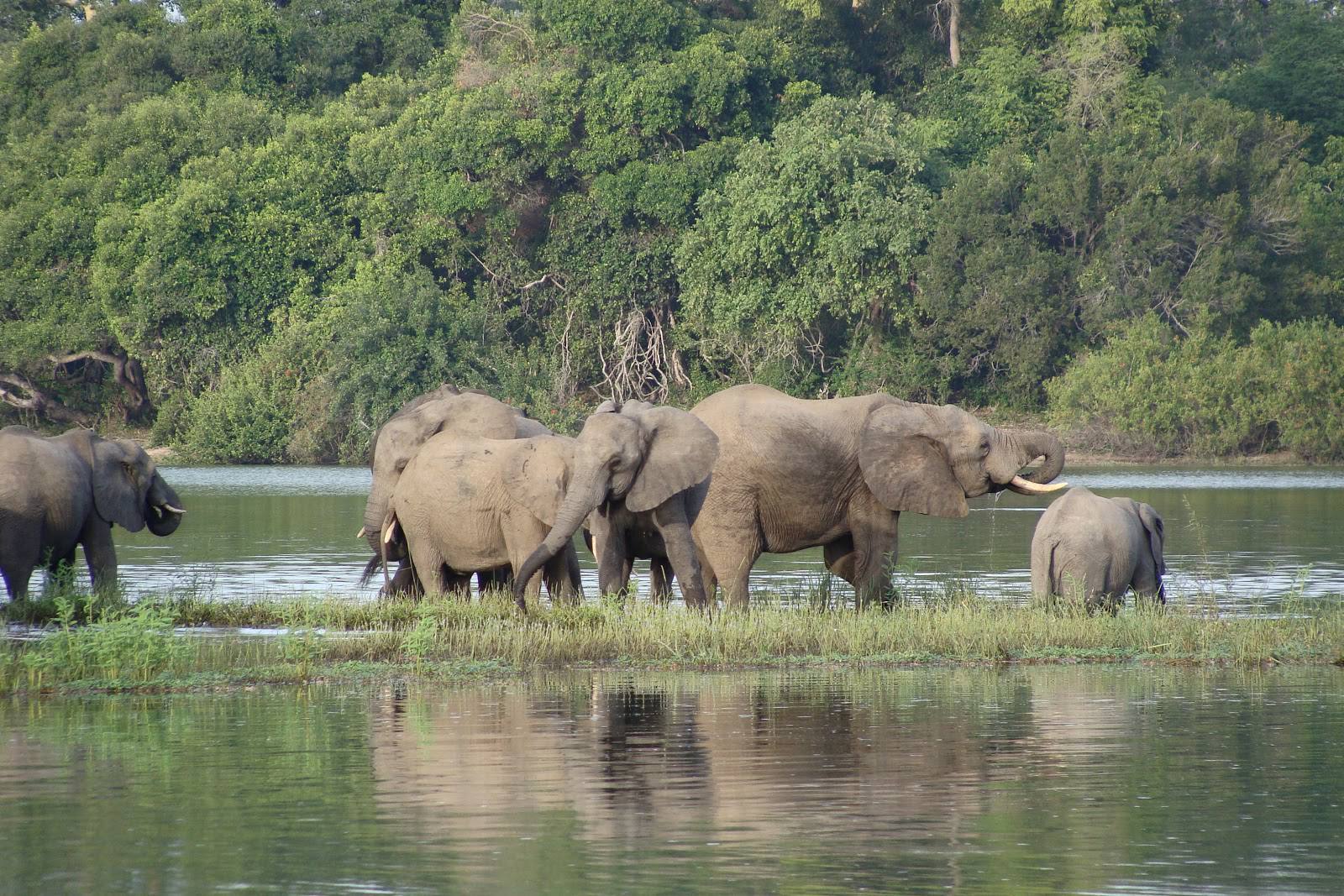
Safari in Nyerere National Park
Frequently Asked Questions
Find answers to the most common questions about this tour.
1
What animals can I see in Nyerere National Park?
Nyerere National Park is home to an impressive diversity of wildlife, including elephants, lions, leopards, hippos, crocodiles, and a wide range of antelope species. It’s also one of the best places in Africa to see the endangered African wild dog, which roams the park’s vast open plains and woodlands. Visitors may also spot waterbucks, greater kudus, common elands, and the rare sable antelope that prefers the dense bush.
2
When is the best time to visit Nyerere National Park for wildlife viewing?
The best time for wildlife viewing in Nyerere National Park is during the dry season from June to October. During these months, animals gather around the Rufiji River and other water sources, making sightings more frequent and predictable. The landscape is open, the weather is clear, and game drives are comfortable, offering ideal conditions for photography and exploration.
3
Can I see African wild dogs in Nyerere National Park?
Yes, Nyerere is one of the few places in Africa where you have a good chance of spotting African wild dogs in the wild. These endangered predators are highly mobile, but sightings are more common during their denning period from June to August when packs stay in one area to care for their young. Many safari guides are familiar with known denning zones, improving your chances of a memorable encounter.
4
What happens in Nyerere during the wet season?
The wet season, which runs from November to May, transforms Nyerere National Park into a lush green paradise filled with birdlife and newborn animals. However, heavy rains between April and June can make some roads difficult to navigate, and several camps close temporarily during this period. Despite the challenges, the park is at its most scenic, offering a peaceful and vibrant wilderness experience with fewer tourists.
5
Why is Nyerere National Park considered a top safari destination?
Nyerere National Park combines vast landscapes, rich wildlife diversity, and an authentic sense of wilderness rarely found elsewhere. Its mix of open plains, woodlands, and the mighty Rufiji River creates habitats for an extraordinary range of animals, including the Big Five and the rare African wild dog. With fewer crowds than more famous parks, visitors enjoy a truly immersive safari experience that feels both remote and exclusive.