Best Time to Visit Volcanoes National Park
Best Time to Visit Volcanoes National Park
The best time to visit Volcanoes National Park is during the long dry season from June to August, when trail conditions are at their best and trekking is more comfortable. Gorilla sightings are excellent every month, but the dry season offers clearer views, less mud, and fewer weather disruptions. The park is open year-round, so your ideal time depends on weather preference, budget, and availability of gorilla permits.
Volcanoes National Park sits in a high-altitude rainforest, which means the climate stays cool and wet throughout the year. Even in the dry months, you should expect some rain, but the amount and intensity change enough to affect trekking difficulty. Understanding these seasonal differences helps travelers plan the experience they want.
Detailed Monthly Breakdown
June to August: Peak Season, Best Conditions
This is the most stable period in terms of weather. Trails dry out, mud levels drop, and the forest opens slightly, making it easier to move through dense vegetation. Mornings are clearer, which improves photography and views of the volcano slopes. Because these months are ideal, gorilla permits sell out early, and lodges often raise prices. Travelers who want the most comfortable trek usually choose these dates.
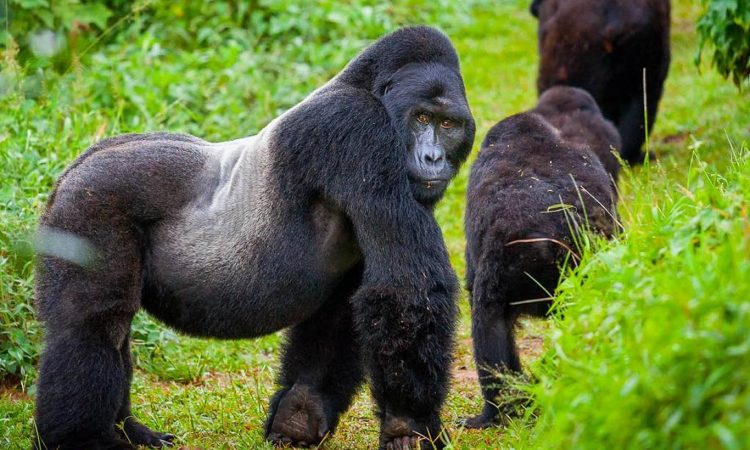
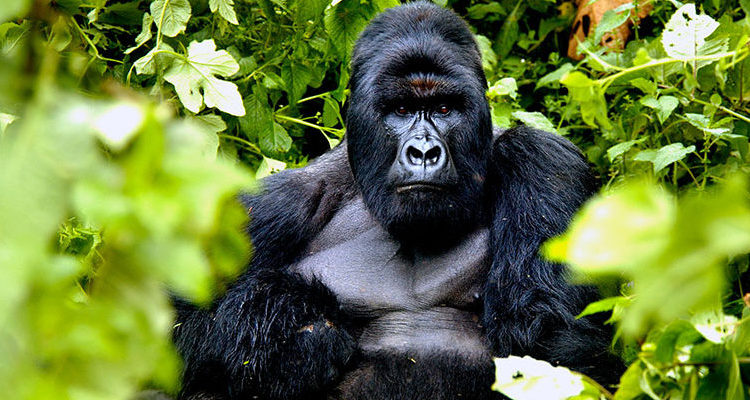
Silverback Gorilla in Volcanoes NP
September: A Good Extension of the Dry Season
This month transitions out of the long dry season but still keeps relatively low rainfall. Trekking remains manageable, although afternoon showers become a bit more common. It is a popular time for people who want good weather without peak-season crowds.
December to February: Short Dry Season
These months bring another break from the heaviest rains. Trails are less muddy compared to March or April, but can still be wet in certain areas. Gorilla trekking is reliable, and crowd levels are more balanced. Photography conditions are good because cloud cover tends to shift throughout the day, creating bright and misty scenes.
March to May: Long Wet Season
This is the hardest time to trek. Rainfall increases significantly, turning slopes into sticky mud. Visibility can drop, and trekking becomes slower and more physical. Some travelers avoid these months, but others prefer them because the forest is lush, lodges reduce rates, and gorilla permits are easier to secure. Wildlife behavior stays consistent, but the hiking itself demands patience.
October and November: Short Wet Season
These months also receive heavy rain, though not as intensely as April. Expect slippery trails, limited visibility, and muddy climbs. Morning treks still happen, but conditions change quickly. The upside is fewer visitors and more availability of permits and accommodations.
How Weather Affects Gorilla Trekking
Gorilla trekking happens in the morning and is rarely cancelled because rangers track the gorilla families long before visitors begin the hike. Weather affects the experience more than the actual sighting. In the dry season, you move faster, take cleaner photographs, and spend less effort navigating tricky slopes. In the wet season, you reach the gorillas the same way, but the process is muddier, colder, and physically heavier.
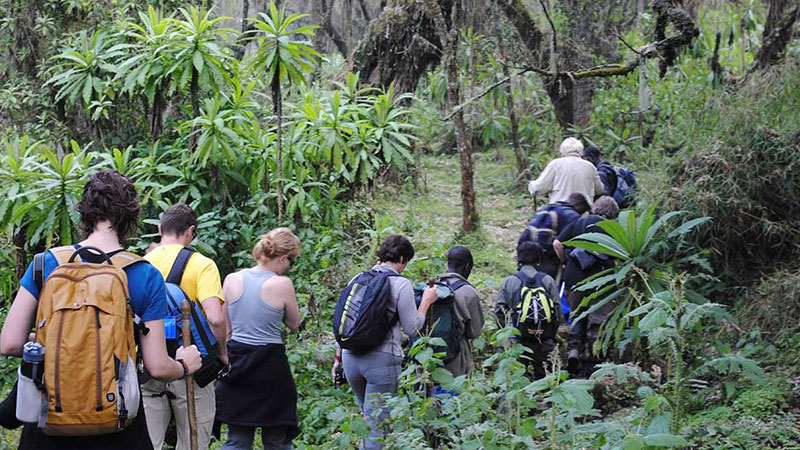
Gorilla Trekking in Volcanoes NP
The gorillas themselves behave normally all year. They do not migrate or move out of the park, so seasons affect the visitors, not the gorillas.
Trail Difficulty and Trek Length by Season
The type of gorilla family assigned to you influences the trek length, but weather changes how easy it feels.
Dry season trails allow guides to choose efficient routes. Wet season trails force detours around muddy pits, deep vegetation, and slippery rock sections. Treks that usually take two hours may stretch longer simply because the terrain is slower.
Travelers who prefer lighter physical activity often choose June to September or December to February.
Photography and Scenery Per Season
Clear mornings in the dry season are ideal for photos. You get better light in the forest and more dramatic views of Mount Bisoke, Sabyinyo, or Karisimbi. Wet season photography offers mistier, moodier scenes and richer greens, but rain can affect lenses and stability. Many photographers prefer December to February for a balance of green vegetation and manageable weather.
Crowds, Pricing, and Permit Availability
• June to August: highest demand, busiest trails, early permit booking needed • September: good weather with slightly lower crowds • December to February: moderate crowds, easier logistics • March to May: lowest crowds, discounted lodge prices, highest permit availability • October and November: moderate to low demand
This matters because accommodation near the park is limited and premium lodges are small, so availability changes quickly.
Travel Logistics by Season
Road access from Kigali remains smooth all year, but wet months can slow travel between Musanze and trail starting points. Vehicles with higher clearance are better in March, April, October, and November. Dry months offer reliable timing and predictable transfers. More about how to get to volcanoes NP
Our Expert Recommendation
Prepare for both sun and rain regardless of month. Waterproof jackets, gaiters, gloves, and sturdy boots are essential year round due to the park’s altitude and damp forest floor. Booking early is crucial in high season, and using a porter improves comfort in both dry and wet months.
Volcanoes Safaris to inspire your journey.
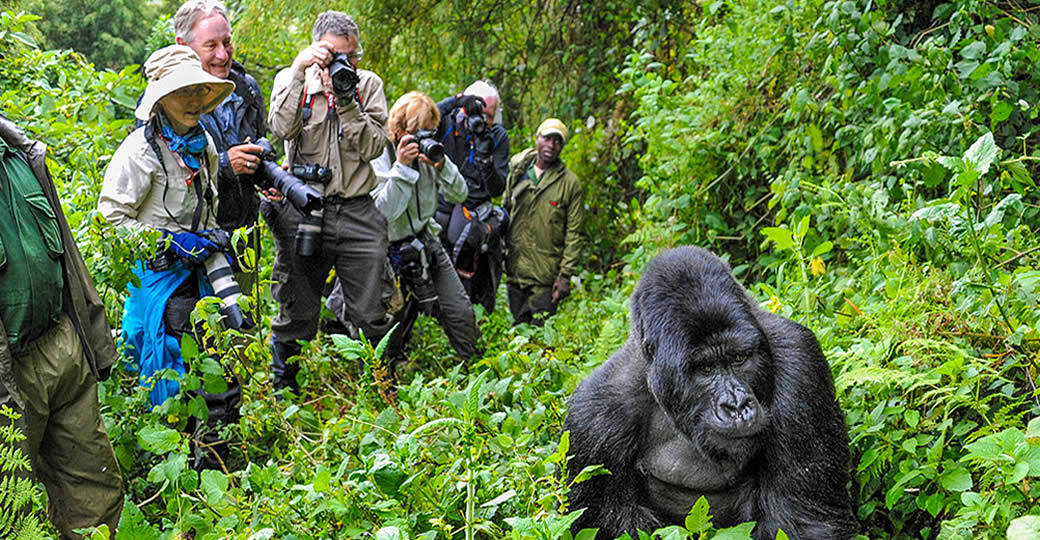
2-Day Gorilla Trekking in Volcanoes National Park
This two-day journey into Volcanoes National Park offers the rare chance to immerse yourself in the heart of Rwanda’s mountain gorilla territory. Begin with a scenic drive from Kigali into the mist-covered foothills of the Virungas, where lush forests and volcanic peaks set the stage for an unforgettable wildlife experience. After settling into your lodge, enjoy a peaceful evening surrounded by nature as you prepare for the next morning’s trek.
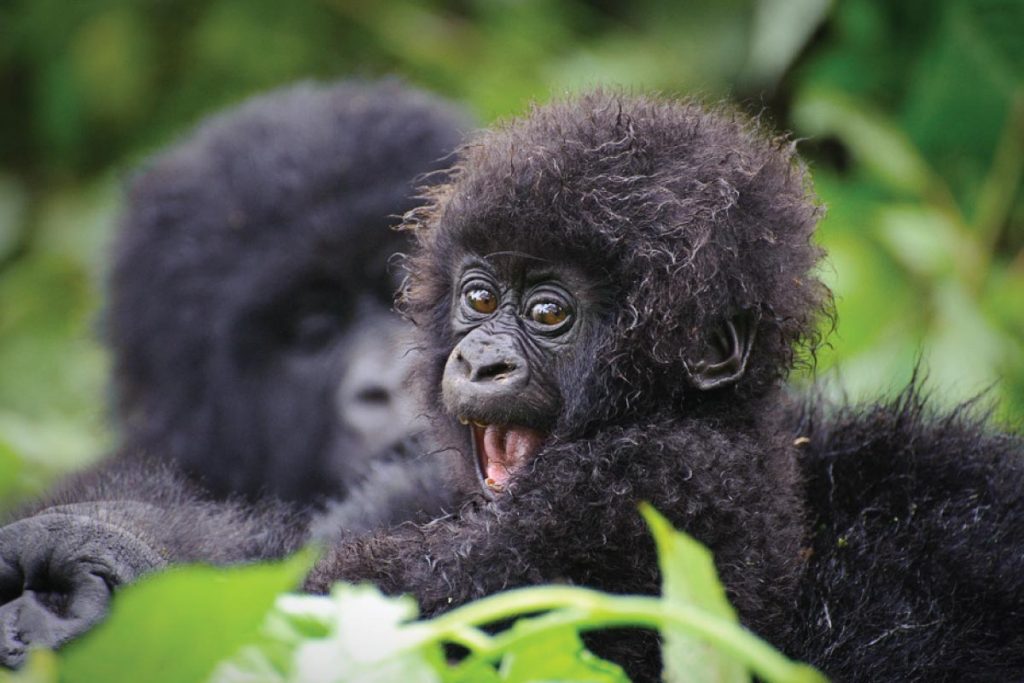
3-Day Gorilla Trekking and Cultural Experience
This tour is considered one of Rwanda’s premier experiences, offering the rare opportunity to encounter the world’s remaining mountain gorillas and explore the lush bamboo forests they call home. The journey begins in Kigali, with a scenic drive to the park office and onward to your lodge. Along the way, you’ll pass rolling hills, vibrant coffee and tea plantations, and diverse landscapes, providing breathtaking views and a true sense of Rwanda’s natural beauty.
1-Day Mountain Gorilla Trekking
This one-day mountain gorilla trekking experience in Rwanda is ideal for travelers with limited time, especially those visiting Kigali for business or conferences. While this tour focuses on encounter with endangered mountain gorillas, the park also offers a range of remarkable attractions, including golden monkey tracking, volcano hiking, cave exploration, birdwatching, and more. It’s the perfect way to enjoy Rwanda’s natural beauty and wildlife in just a single day.