Weather & Climate in Volcanoes National Park
Weather in Volcanoes National Park
Volcanoes National Park has a cool, wet, and misty climate all year because of its high altitude. Daytime temperatures sit around 15°C and nights drop to about 7°C, with very small variation between months. Rain is common in every season, even during the driest period, so visitors should always expect cool temperatures, damp conditions, and sudden weather changes.
The park has two main seasons, a dry season that offers better trekking conditions and a long wet season that makes trails muddy and visibility unpredictable.
| Month | Rainfall Level | Trail Conditions | Temperature Range | Notes |
|---|---|---|---|---|
| January | Moderate | Damp but manageable | 7°C to 15°C | Part of the short dry spell. Good balance of weather and crowd levels. |
| February | Moderate | Damp but manageable | 7°C to 15°C | Similar to January, with lighter showers and decent visibility. |
| March | Heavy | Very muddy, slippery | 7°C to 15°C | Start of the long wet season. Trails get slow and tough. |
| April | Very heavy | Extremely muddy | 7°C to 15°C | One of the hardest trekking months. Expect thick mud and limited views. |
| May | High but decreasing | Wet but improving | 7°C to 15°C | Rain begins to ease. Forest is lush and green. |
| June | Low | Best trail conditions | 7°C to 15°C | Start of the long dry season. Great for trekking. |
| July | Lowest | Dry and stable | 7°C to 15°C | One of the easiest months for hiking and photography. |
| August | Low to moderate | Mostly dry | 7°C to 15°C | Still good, with occasional showers. Popular and busy. |
| September | Moderate | Damp but manageable | 7°C to 15°C | Dry season fades. Good trekking despite more rain. |
| October | High | Muddy and slippery | 7°C to 15°C | Wet season builds. Afternoon showers increase. |
| November | Very high | Difficult and muddy | 7°C to 15°C | One of the wettest months. Visibility drops. |
| December | Moderate | Damp but reasonable | 7°C to 15°C | Short dry period begins. Better conditions return. |
Dry Season (June to August)
The long dry season is the most comfortable time for hiking and gorilla trekking. June and July are the driest months, with fewer clouds and slightly better visibility along the volcano slopes. August brings a bit more rain, but still offers good trekking conditions.
Even during the dry season, trails can be muddy and mornings can feel cold. Warm layers, rain jackets, and strong hiking shoes are still necessary because of the park’s altitude and the thick forest environment.
Wet Season (September to May)
The wet season covers most of the year and brings heavier rainfall, especially in the afternoons. The pattern shifts throughout the season:
• September to November: These months receive intense showers, and cloud cover can last most of the day. November is usually the wettest month, and trails become slippery.
• December to February: Rain continues but is less intense compared to October and November. This period is sometimes called the short dry spell, although the forest remains damp and muddy. Visitors who want a balance between manageable conditions and fewer crowds choose these months.
• March and April: These are the peak rainy months. Long, heavy showers make trekking slow and physically demanding. Many travelers avoid this period because mud levels are high and visibility is low.
• May: Rain starts to reduce, and sunny breaks appear more often. Trails are still wet from the March and April rainfall, but conditions gradually improve.
Warm layers, waterproof jackets, gloves, and sturdy boots are essential throughout the wet season. Many travelers use gaiters to keep mud off their trousers, and porters become especially helpful when the slopes are slippery.
How Weather Affects Trekking
Weather has more influence on the trekking experience than on the gorilla sightings. Rangers track the gorillas daily, so visitors see them regardless of rain, but the hike becomes harder when the forest floor is soaked. Wet trails mean slower movement, lower visibility, and more uneven footing. Dry season treks are faster and more predictable.
Mist is common at high altitude in both seasons. It creates beautiful scenery but can limit long-distance visibility on volcano hikes like Bisoke or Muhabura.
Monthly Temperature and Rainfall Patterns
The temperature range is small throughout the year because of the altitude. Days stay cool and nights are cold. Rainfall changes more significantly than temperature and determines trekking difficulty. Even the driest months receive some rain, which is why waterproof gear is recommended at all times.
Packing Advice for Volcanoes National Park Weather
Regardless of the season, visitors should pack warm sweaters or fleece layers, a waterproof jacket, waterproof trousers or gaiters, a hat, gloves, and strong hiking boots. The high altitude makes mornings cold, and rain can start without warning. A full packing guide can be found here: What to Pack in an African Safari.
Our Expert Recommendation
Volcanoes National Park’s weather is predictable only in the sense that you should expect cool temperatures, mist, and rain at any time. Whether you visit in the dry months or the wetter periods, planning for moisture and cold conditions will make your trekking experience far more comfortable.
Frequently Asked Questions
Find answers to the most common questions about this tour.
1
What is Volcanoes National Park known for?
Volcanoes National Park is famous for its population of endangered mountain gorillas and golden monkeys, as well as its active and dormant volcanoes in the Virunga mountain range.
2
When is the best time to visit Volcanoes National Park?
The best time to visit is during the dry season from June to August, with June and July being the driest months, offering better hiking and trekking conditions.
3
What kind of weather can I expect in Volcanoes National Park?
The park has a cool, wet climate year-round due to high altitude. Daytime temperatures average around 15°C (59°F) and nights are colder, around 7°C (45°F). Rain can occur anytime but is less frequent in the dry season.
4
What activities can I do in Volcanoes National Park?
Popular activities include mountain gorilla trekking, golden monkey tracking, hiking volcano peaks such as Mount Bisoke and Karisimbi, visiting Dian Fossey’s grave, exploring Musanze caves, and birdwatching.
5
Are gorilla trekking permits easy to get?
No, gorilla trekking permits are limited and expensive, especially during the high season from June to September. It is recommended to book well in advance.
6
What should I pack for a trip to Volcanoes National Park?
Visitors should pack warm, waterproof clothing and good hiking shoes as the climate is cool and wet with slippery trails year-round.
7
Where can I stay when visiting Volcanoes National Park?
All accommodation is located outside the park in nearby cultivated areas. Options range from luxury lodges like Singita Kwitonda Lodge and One & Only Gorillas Nest Lodge to mid-range and budget-friendly lodges.
Volcanoes Safaris to inspire your journey.
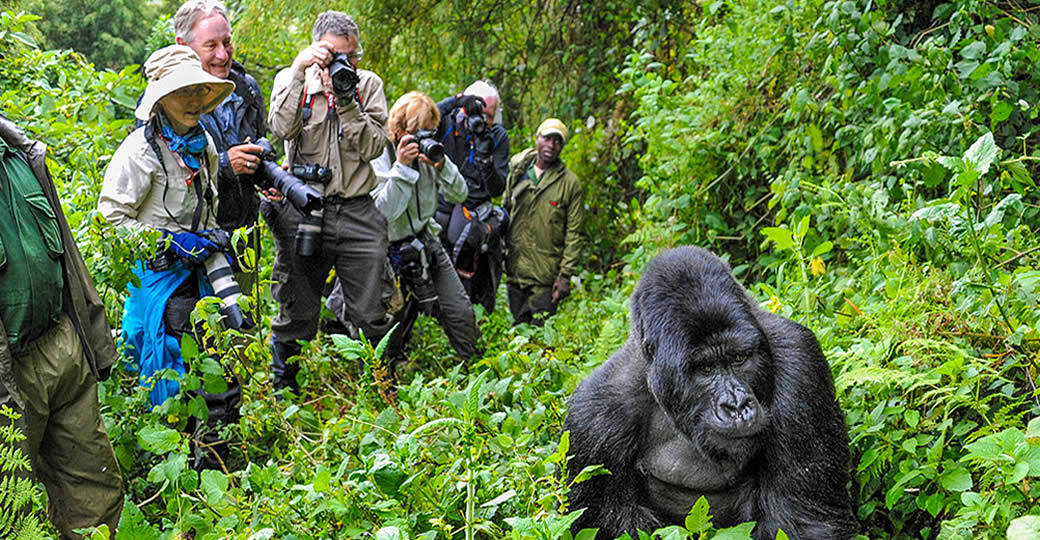
2-Day Gorilla Trekking in Volcanoes National Park
This two-day journey into Volcanoes National Park offers the rare chance to immerse yourself in the heart of Rwanda’s mountain gorilla territory. Begin with a scenic drive from Kigali into the mist-covered foothills of the Virungas, where lush forests and volcanic peaks set the stage for an unforgettable wildlife experience. After settling into your lodge, enjoy a peaceful evening surrounded by nature as you prepare for the next morning’s trek.
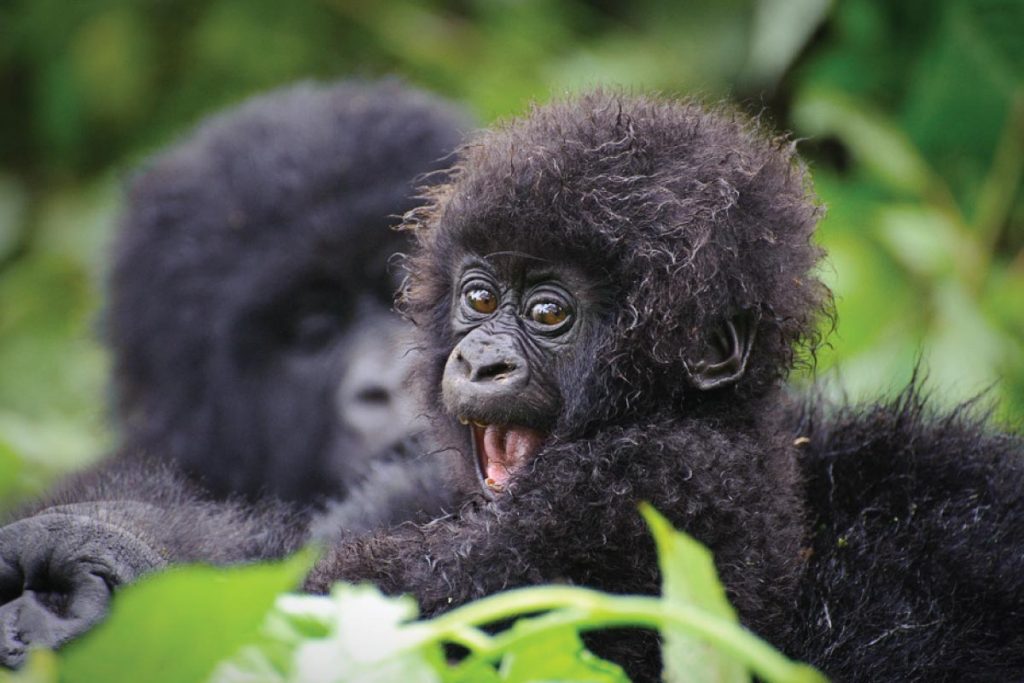
3-Day Gorilla Trekking and Cultural Experience
This tour is considered one of Rwanda’s premier experiences, offering the rare opportunity to encounter the world’s remaining mountain gorillas and explore the lush bamboo forests they call home. The journey begins in Kigali, with a scenic drive to the park office and onward to your lodge. Along the way, you’ll pass rolling hills, vibrant coffee and tea plantations, and diverse landscapes, providing breathtaking views and a true sense of Rwanda’s natural beauty.
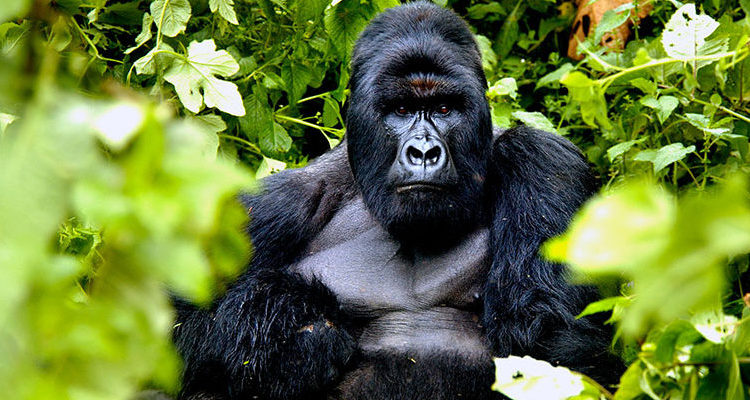
1-Day Mountain Gorilla Trekking
This one-day mountain gorilla trekking experience in Rwanda is ideal for travelers with limited time, especially those visiting Kigali for business or conferences. While this tour focuses on encounter with endangered mountain gorillas, the park also offers a range of remarkable attractions, including golden monkey tracking, volcano hiking, cave exploration, birdwatching, and more. It’s the perfect way to enjoy Rwanda’s natural beauty and wildlife in just a single day.