Rwanda Travel Advice
Rwanda is one of Africa’s safest and most rewarding travel destinations, known for its stunning scenery, mountain gorillas, rich culture, and remarkably clean cities. Whether you're trekking in Volcanoes National Park, exploring Kigali, or relaxing by Lake Kivu, understanding a few practical tips will help you enjoy a smooth and comfortable trip.
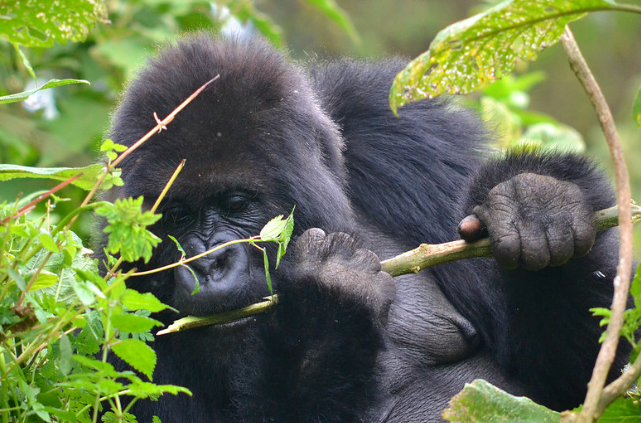
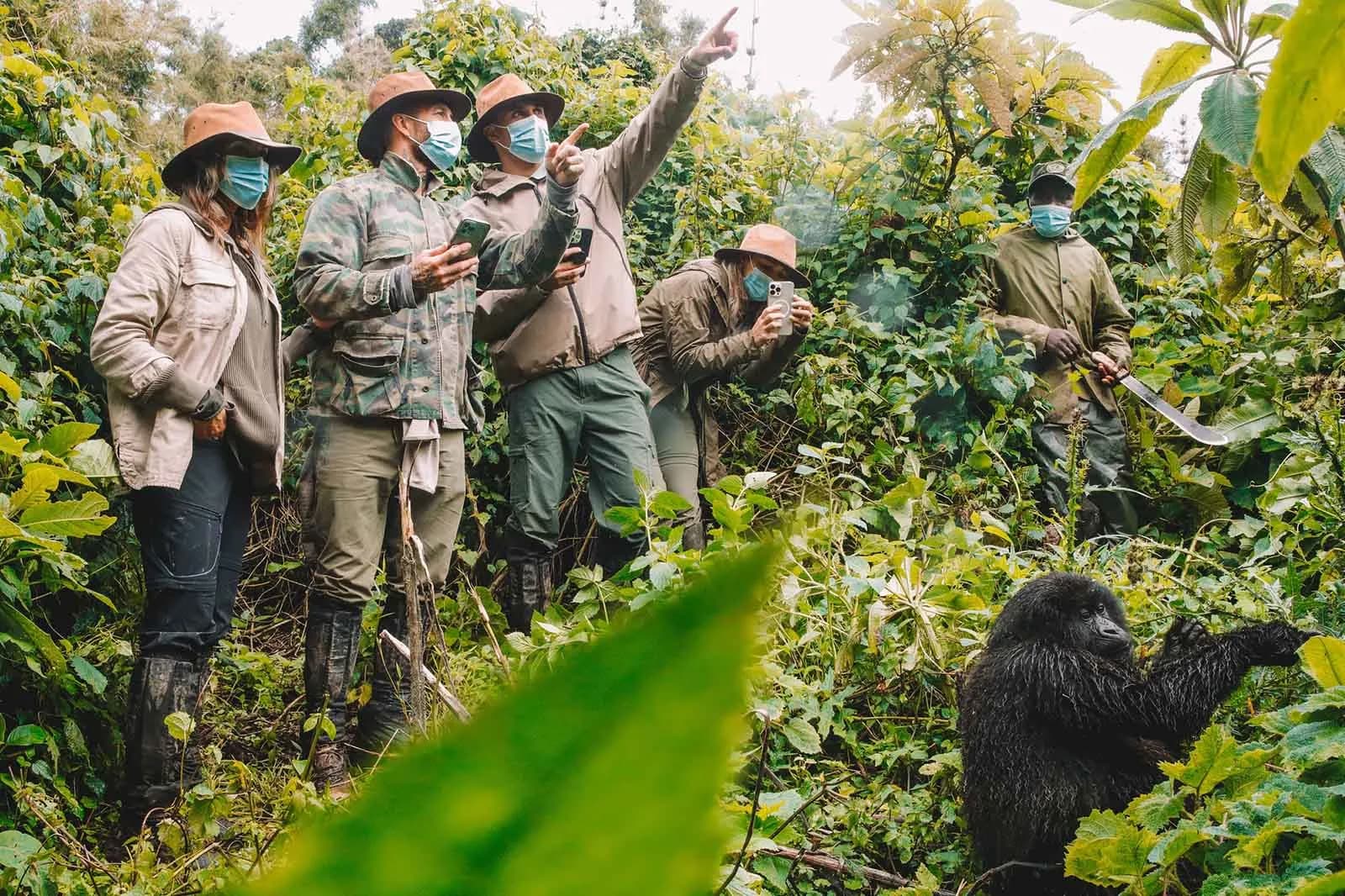
Mountain Gorillas in Volcanoes NP
Money and Spending
Rwanda’s official currency is the Rwandan franc (RWF), but travelers often find it easier to bring US dollars (issued after 2003) or euros to exchange. Kigali offers the best currency exchange rates and the widest range of services. ATMs are available in major towns, though they may not always accept foreign cards.
Credit cards, mainly Visa and MasterCard, are widely accepted in upscale hotels, lodges, and some restaurants in Kigali, but not everywhere else. When traveling outside the capital or visiting remote national parks, always carry enough cash for incidentals, small purchases, and tips.
Tipping Culture in Rwanda
Tipping is not a strict requirement in Rwanda, but it is welcomed and appreciated in the tourism industry.
• In mid-range and upscale restaurants, a 10% tip is standard. • During gorilla trekking, tipping becomes an important part of the experience.
- Porters, who assist with bags and tough trails, should receive the highest tip.
- Guides and trackers also depend on tips; many are former poachers who now protect wildlife thanks to eco-tourism.
Your contribution directly supports local communities and conservation efforts.
Safety and Health Tips
Rwanda has a strong reputation for safety. Violent crime is rare, and police presence is high, especially in Kigali. However, like any popular destination:
• Be mindful of petty theft in crowded markets or bus stations. • Keep valuables out of sight. • Avoid walking alone late at night in unfamiliar areas.
For health, ensure your routine vaccinations are up to date and consider malaria prophylaxis, especially if visiting low-altitude regions. Clean drinking water can be limited outside major cities, so rely on bottled or filtered water.
Getting Around Rwanda
Rwanda’s road network is impressive by regional standards: smooth, well-maintained, and scenic. Most travelers move between destinations using:
• Private 4x4 transfers arranged by their tour operator • Domestic flights for longer routes (e.g., Kigali to Kamembe) • Local taxis or ride-hailing services within Kigali
For national parks, particularly Volcanoes, Akagera, and Nyungwe a reputable tour company ensures safe, comfortable travel and reliable logistics.
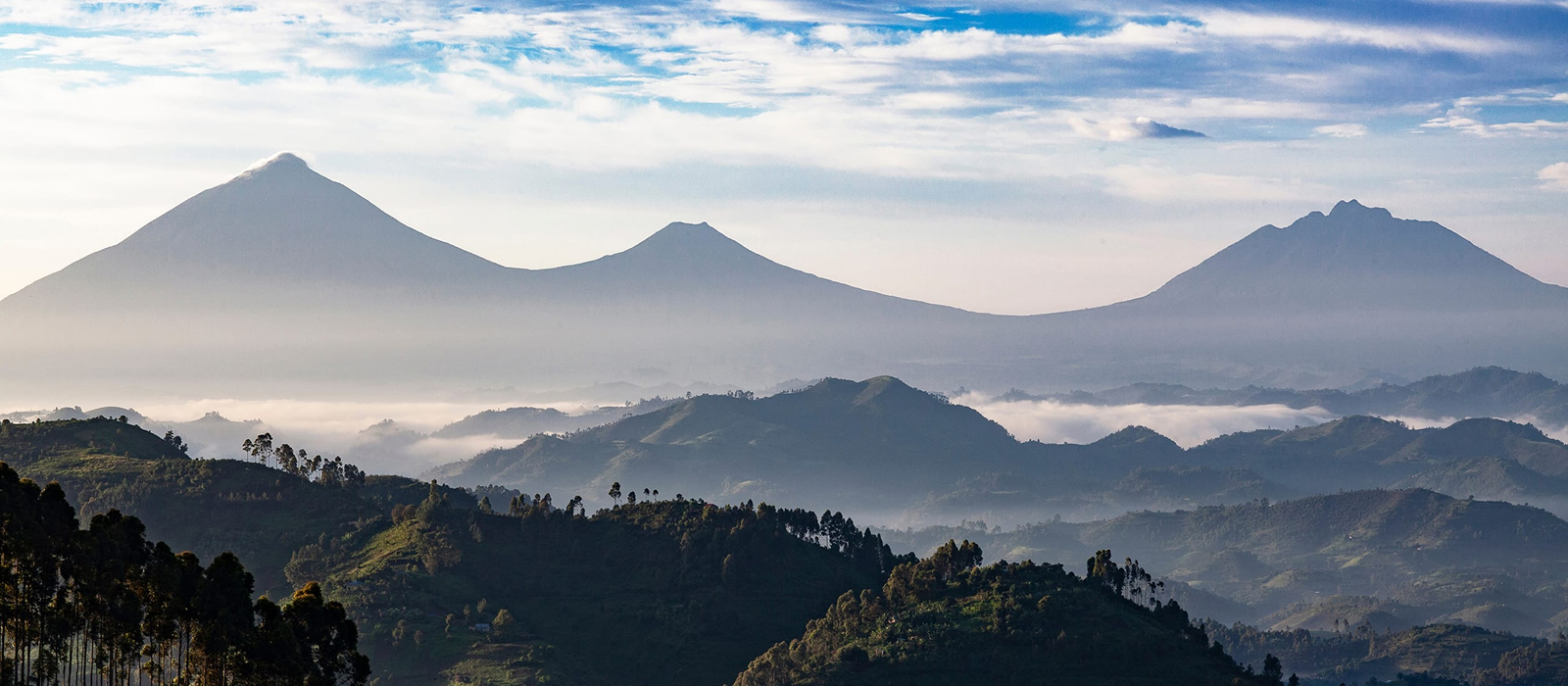
Volcanoe NP mountains
Entry Requirements
Most nationalities require a visa to enter Rwanda. Options include:
• Visa on arrival at Kigali International Airport • E-visa applied for online before travel • The East Africa Tourist Visa (Rwanda, Uganda, Kenya)
Make sure your passport is valid for at least six months and check specific requirements for your nationality before traveling.
Climate and What to Pack
Rwanda’s “Land of a Thousand Hills” geography creates warm days and cool evenings, particularly in the highland regions. Pack for a mix of weather:
• Light clothing for daytime • A warm jacket for early morning treks and evenings • Comfortable hiking shoes for gorilla or chimpanzee trekking • Rain gear if visiting during the wet seasons
For a deeper breakdown of seasonal weather patterns, see the Best Time to Visit Rwanda guide.
Frequently Asked Questions
Find answers to the most common questions about this tour.
1
What currency is used in Rwanda and do I need to carry cash?
The official currency in Rwanda is the Rwandan Franc (RWF). While US dollars are accepted at many hotels, lodges, and tour operators, it’s useful to carry some local currency for small purchases, tips, and local markets.
2
Is tipping expected during a gorilla trek in Rwanda?
Yes, tipping is customary and appreciated. Recommended amounts are around $10-20 for the trek guides, $5-10 for porters, and $5-10 for trackers, depending on the level of service.
3
How safe is Rwanda for travelers, especially tourists?
Rwanda is considered one of the safest countries in Africa for tourists. Kigali is clean and secure, and national parks are well-managed. Normal travel precautions such as keeping valuables safe and following local guidance are still advised.
4
What visas and passport validity do I need to enter Rwanda?
Most travelers need a visa to enter Rwanda, which can be obtained online (eVisa) or on arrival. The East Africa Tourist Visa is also available for combined travel in Rwanda, Uganda, and Kenya. Passports must be valid for at least six months beyond your travel dates and have at least one blank page.
5
How do I get around Rwanda and what are the transport options?
Transport options include private safari vehicles, domestic flights, organized tours, and car rentals with drivers. Public buses and motos (motorcycle taxis) operate within cities, but for safaris and national parks, a private driver-guide is the most reliable option.
6
What is the best way to book flights and transfers within Rwanda?
Most travelers fly into Kigali International Airport. Domestic transfers are typically arranged by safari operators or lodges, often by 4x4 vehicles. Akagera Aviation offers helicopter transfers to major parks for faster travel.
7
What should I pack for Rwanda’s climate and activities?
Pack lightweight clothing for warm days, long-sleeved shirts and trousers for trekking, a waterproof jacket, sturdy hiking boots, a hat, insect repellent, sunscreen, and a sweater for cool evenings. Gloves and gaiters are recommended for gorilla trekking.
8
Are credit cards widely accepted or should I have local currency?
Credit cards, especially Visa and Mastercard, are accepted at hotels, lodges, and some restaurants. However, smaller businesses, rural areas, and markets require cash. Carrying local currency (RWF) or small USD denominations is recommended.