
Rwanda
Akagera National Park Wildlife
Rwanda's Big Five park. Lions and rhinos returned. Africa's greatest comeback story.
June to September and mid-December to mid-February (It is drier and wildlife is easier to spot)
June to September (The park is busiest at weekends)
1,122km² / 433mi²
1,286-1,718m / 4,219-5,636ft
Akagera is a conservation miracle. Fifteen years ago, this park had no lions and no rhinos. Today, thanks to one of Africa's most successful rewilding programmes, both are back - and thriving. Akagera is Rwanda's only savannah park, a mosaic of lakes, swamps, and rolling grassland on the Tanzanian border. Boat safaris on Lake Ihema. Big Five game drives. And a fraction of the visitors you'd find at any equivalent park in East Africa.
Africa's Rewilding Success
Lions were reintroduced in 2015. Black rhinos in 2017. Eastern black rhinos in 2019. Today Akagera is officially a Big Five park - the only one in Rwanda. The conservation story here is as compelling as the wildlife itself. You are watching a park being reborn.
Boat Safari on Lake Ihema
A boat safari on Lake Ihema brings you eye-level with hippos, crocodiles, and African fish eagles. The lake's papyrus-fringed shores teem with birdlife - over 500 species have been recorded in the park. This is one of the most underrated boat safaris in East Africa.
Uncrowded Game Drives
Akagera receives a fraction of the visitors that Kenya's and Tanzania's parks do. On a morning game drive, you might see elephants, giraffes, zebras, and buffalo - and not pass another vehicle all day. This is what safari felt like 50 years ago.
Experience Designer
Brighton Mboya
Regions of Speciality:
Tanzania, Rwanda, Uganda
Trip Designer
Brighton has spent the last decade building safaris across the East African circuit, from the Serengeti's migration corridors to the misty volcanoes of Rwanda and the Bwindi Impenetrable Forest in Uganda. He started out guiding walking safaris in Tarangire, then moved into gorilla and chimp trekking after years escorting researchers through the Albertine Rift. His itineraries turn on the small details most operators skip: the right camp on the right night of the migration, a permit window that lines up with the gorilla family closest to your lodge, a quiet bush airstrip that saves a full day on transfer.
Trip Inspiration

Snapshot of a Day
Your guide spots fresh lion tracks on the red dirt road. You follow them for twenty minutes through golden grassland before finding two lionesses resting under an acacia - descendants of the pride reintroduced in 2015. No other vehicles. Just you and the lions and the story of their return.
Trip Inspiration
Akagera Safari Experience
Three days of game drives and a boat safari in Rwanda's only Big Five park. Track reintroduced lions and rhinos, cruise Lake Ihema at sunset, and witness Africa's greatest conservation comeback firsthand.
Recommended Duration: 3 days
Best Time To Go: June - September
Things to See & Do: Game drives, boat safari, birdwatching, night drive
Don't Miss Out On: Lion tracking, Lake Ihema boat safari, sunrise over the savannah
Featured stays

Magashi Camp
Location: Lake Rwanyakazinga, Akagera

Ruzizi Tented Lodge
Location: Southern Akagera, Lake Ihema
Testimonials
“Finding lions that were reintroduced ten years ago - that was the most hopeful thing I've ever seen on safari.”
Akagera wasn't on our original itinerary. Our guide suggested adding it after our gorilla trek. On the first game drive, we found a pride of seven lions - including cubs. Our guide explained that these lions are descendants of the original seven reintroduced in 2015. Seeing a park come back to life like this gave me genuine hope for conservation.
— Karen & Steve M. - Denver, US
Process
Step 1
Let's connect
Whether you have a specific trip in mind or are looking for inspiration, get in touch with your travel preferences, and one of our specialists will kick off the planning.
Step 2
Detailed Brief
After a conversation to learn more about your trip, you will receive details on an adventure with us, including activities and accommodation options in the destinations.
Step 3
Customized Itinerary and Confirmation
Collaborate with your specialist to adjust and finalize the itinerary. A per-person trip cost is presented once the itinerary is confirmed.
Step 4
Support, Start to Finish
From the moment you arrive until your trip ends, our team is with you. Experienced guides, porters, and a 24/7 support line ensure your safety and enjoyment.
Good to know
Location
Akagera is a 2.5-hour drive from Kigali on good tarmac roads. It is the most accessible Big Five park in the region - you can drive from the airport to your first game drive in under 3 hours.
Best Combinations
Akagera pairs perfectly with Volcanoes National Park (gorilla trekking). A 5-6 day itinerary combining both parks gives you primates and savannah - the full Rwanda experience. Add Nyungwe for chimps and you have the complete trifecta.
Birdwatching
With over 500 recorded species, Akagera is Rwanda's premier birding destination. The papyrus swamps are home to the rare shoebill stork. The open savannah hosts martial eagles, secretary birds, and grey crowned cranes - Rwanda's national bird.
Akagera safaris
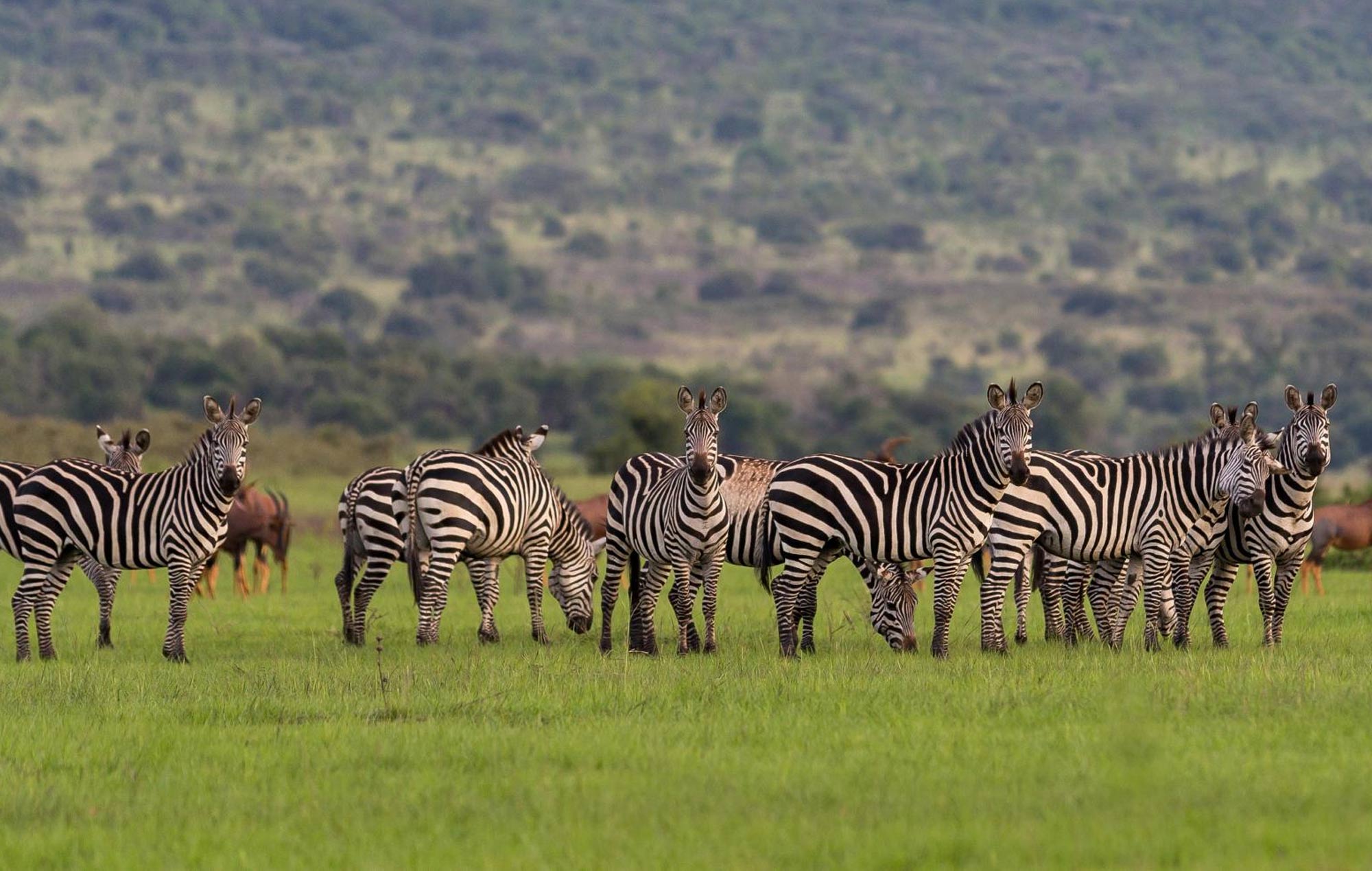
1-Day Akagera National Park Trip
This one-day Akagera National Park trip is ideal for travelers with limited time, especially those visiting Rwanda for meetings or short stays. It offers the perfect opportunity to experience the country’s only savannah national park and enjoy classic African wildlife viewing without the need for an extended itinerary.
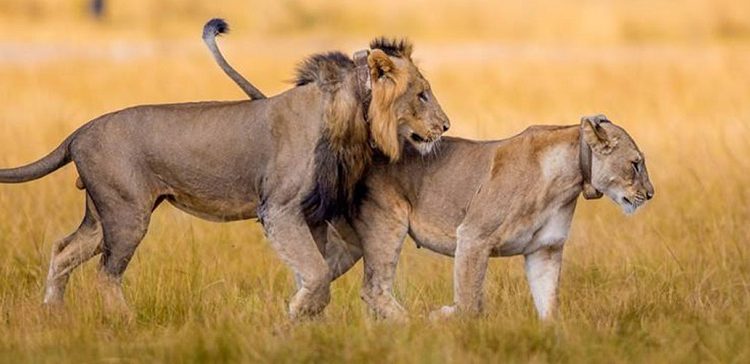
2-Day Akagera National Park Safari Trip
This 2-day safari takes you to Akagera National Park for a mix of wildlife viewing and calm scenery. The park is the only place in Rwanda where you can see the classic savanna landscape with open plains, lakes, and rolling hills. The trip is designed for travelers who want a quick escape from Kigali without rushing through the experience.
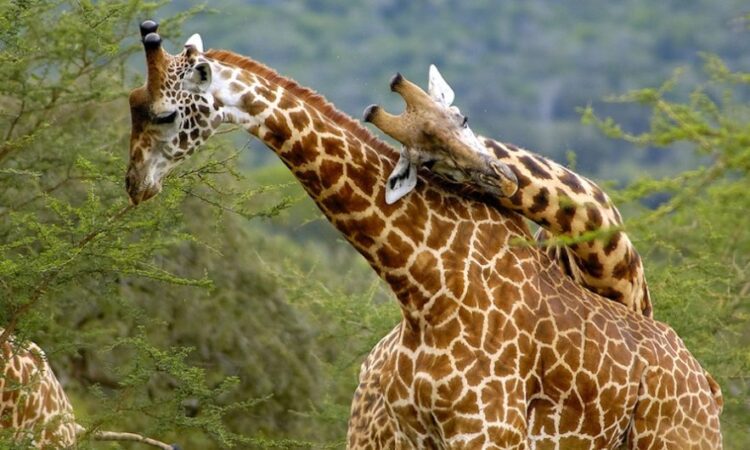
3-Day Game Drive on Akagera National Park
This is one of the famous destinations in Rwanda, where you will have the chance to see leopards, hyenas, jackals, owls, and Aardvarks. This journey blends scenic savannah landscapes, abundant wildlife, and the comfort of a carefully curated safari experience. From sweeping game drives to an unforgettable night safari, you’ll explore one of Rwanda’s most diverse ecosystems and finish with a relaxed return to Kigali.
Wildlife in Akagera
Frequently Asked Questions
Yes. Akagera is officially a Big Five park, with lions, leopards, elephants, buffalo, and both black and white rhinos. While some species-like leopards-are still elusive, sightings are getting better each year thanks to ongoing conservation work.
Very much. Boat trips on Lake Ihema are one of the park’s highlights, offering close-up views of hippos, large crocodiles, abundant birdlife, and sometimes elephants entering the water to cool down. It’s an ideal complement to a traditional game drive.
Plains game such as zebra, Masai giraffe, impala, topi, and Defassa waterbuck are very common. Hippos and crocodiles are almost guaranteed on a boat safari, and elephants are seen frequently near the lakes and open savannahs.
Rhinos are most often spotted in the southern and central parts of the park, especially around grazing areas close to the lakes. The recent introduction of 30 white rhinos has made sightings much more regular during both morning and afternoon drives.
The prime wildlife season runs from June to September when the vegetation is thin and animals gather around water. A second good wildlife window is mid-December to mid-February between the two rainy seasons.
Ready to plan your Akagera adventure?
Tell us about your dream trip and we'll craft a bespoke itinerary around your interests and timeline.
Get In Touch