Roan_antelope
Where to see Roan_antelope in Akagera
A diverse group of herbivores, agile and alert, forming herds that graze and browse across Africa.
Quick Facts about Roan_antelope
Antelopes encompass dozens of species, ranging from small duikers to large kudu and impala. They inhabit savannahs, woodlands, and floodplains, often forming herds to improve vigilance against predators. Their diet consists of grasses, leaves, and shoots, and their movement patterns follow seasonal changes in water and food availability.
Social and territorial behaviours vary by species, with some engaging in elaborate displays or vocalisations to establish dominance. Calves are born in the rainy season when resources are plentiful, ensuring higher survival rates.
Antelopes play an important ecological role by controlling vegetation growth and serving as prey for large carnivores. Observing them in mixed-species herds provides insight into predator-prey dynamics, interspecies interactions, and the rhythm of African landscapes.
Multiple species
Fast runners
Herd sizes vary
Lifespan
Safaris where you can see Roan_antelope in Akagera

Where to see Roan_antelope in Akagera
Akagera’s savannah hosts one of Rwanda’s rarest antelopes.
Top tips for viewing Roan_antelope
Akagera National Park has become a safe haven for roan antelope thanks to improved protection and habitat restoration. These elegant antelopes favour the park’s lightly wooded grasslands and rolling hills, often near seasonal waterholes.
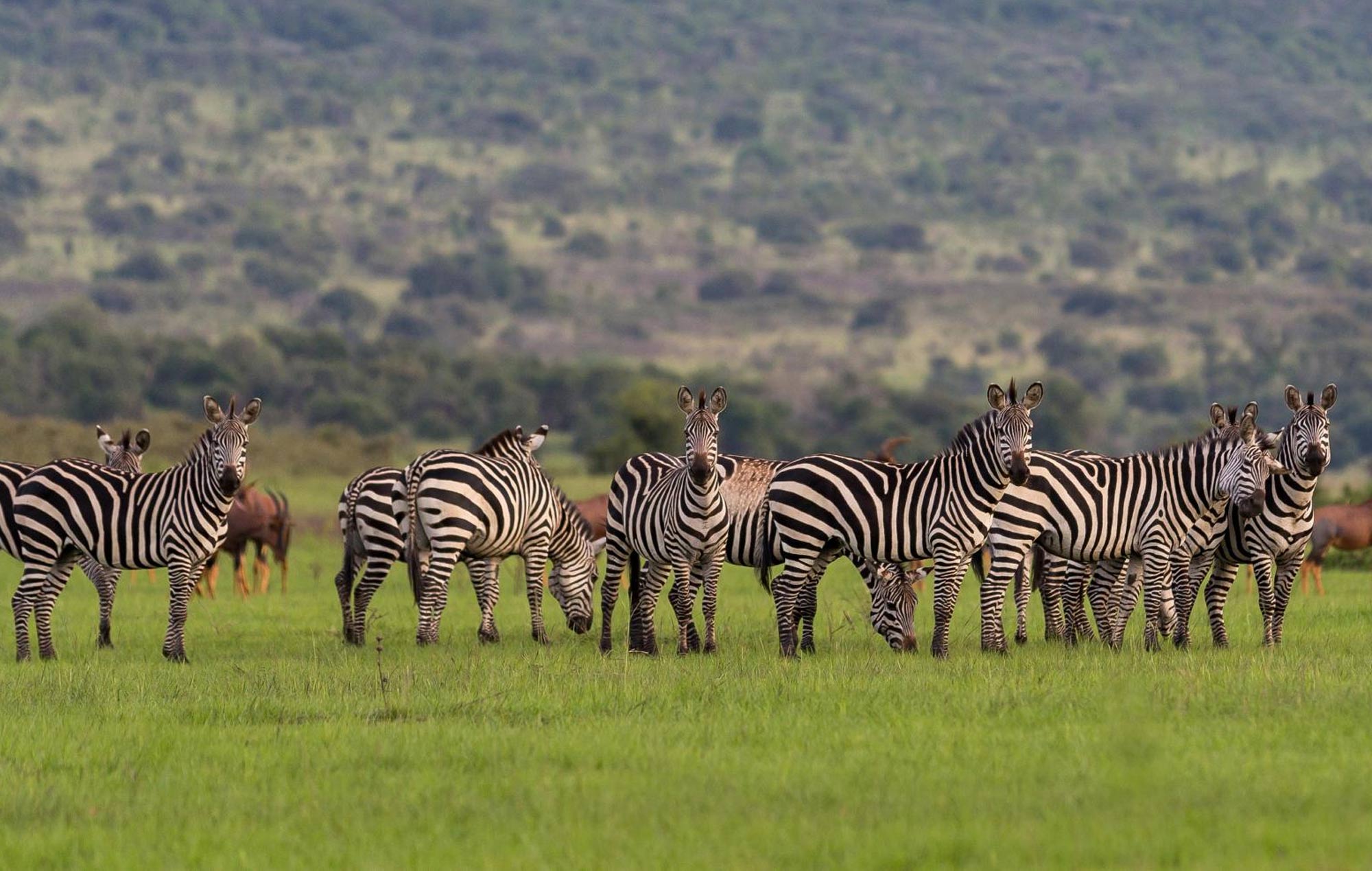
Visitors with patience may spot small groups grazing alongside other rare antelope such as eland and topi. Because Akagera’s roan population is still small, every sighting feels like a privilege and a testament to Rwanda’s conservation success.
Combining morning and evening drives increases your chances, as roan antelope are more active during cooler hours and tend to retreat deeper into cover at midday. Guides can also point out fresh tracks and dung piles that reveal recent movements.
Frequently Asked Questions
Find answers to the most common questions about this tour.
1
Why is Akagera good for roan?
Improved protection and restored grasslands support them.
2
Where to search?
Lightly wooded grasslands and seasonal waterholes.
3
Are they common?
Still relatively rare; sightings are special.
4
What other species share their habitat?
Eland, topi and other savannah antelope.
5
Best time to look?
Morning and evening game drives.