Akagera National Park Wildlife
Akagera National Park has transformed into one of Africa’s most impressive conservation success stories, and today it stands proudly as Rwanda’s only savannah park and a full Big Five destination. The reintroduction of lions in 2015 and black rhinos in 2017 marked major milestones, restoring species that had disappeared for decades. More recently, the arrival of 30 southern white rhinos has strengthened the park’s rhino population, dramatically improving the chances of spotting these giants on a standard game drive.
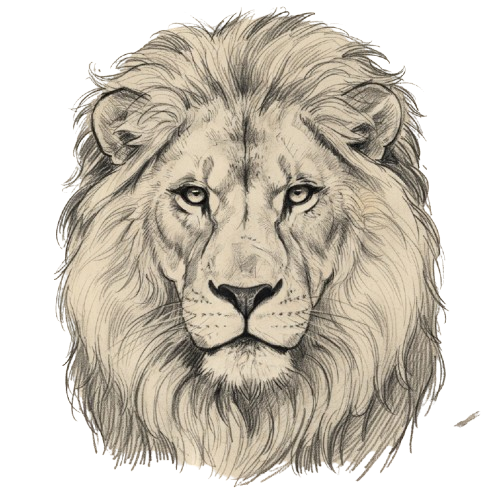
Occasional
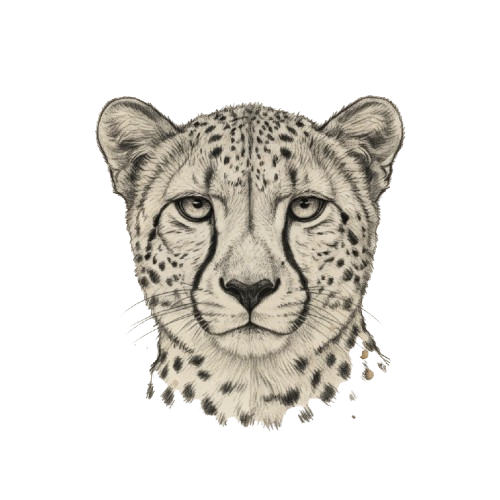
Rare
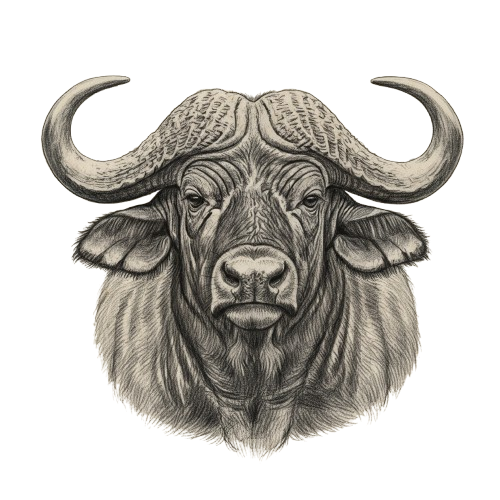
Abundant
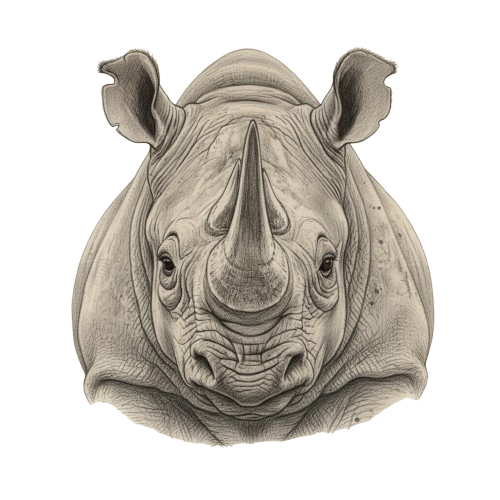
Rare
None

Occasional
Rare

Common

Abundant
None

Abundant
None
The park’s diverse landscapes, savannah plains, acacia woodlands, rolling highlands, and a chain of shimmering lakes create habitats for an astonishing variety of wildlife. Boat safaris along Lake Ihema are among the most memorable ways to explore Akagera. As you glide across the water, you’ll often encounter large pods of hippos grunting and splashing near the banks, massive Nile crocodiles basking in the sun, and sometimes elephants wandering down for an afternoon swim. Because so much life depends on these lakes, boat trips offer some of the most reliable wildlife viewing in the entire park.
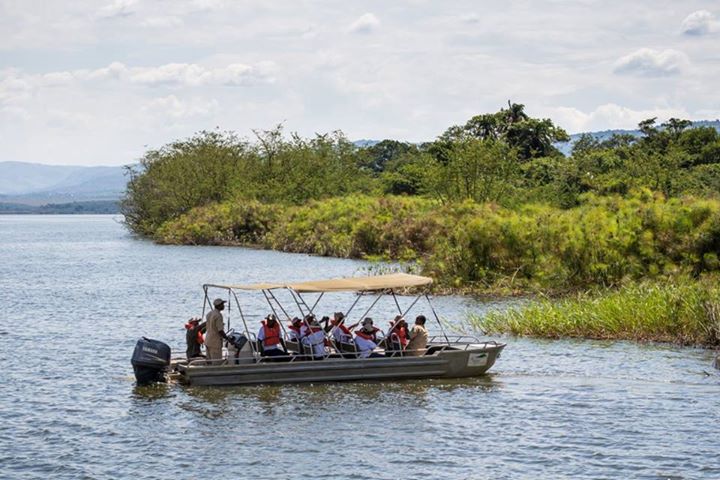
Boat safari in Lake Ihema
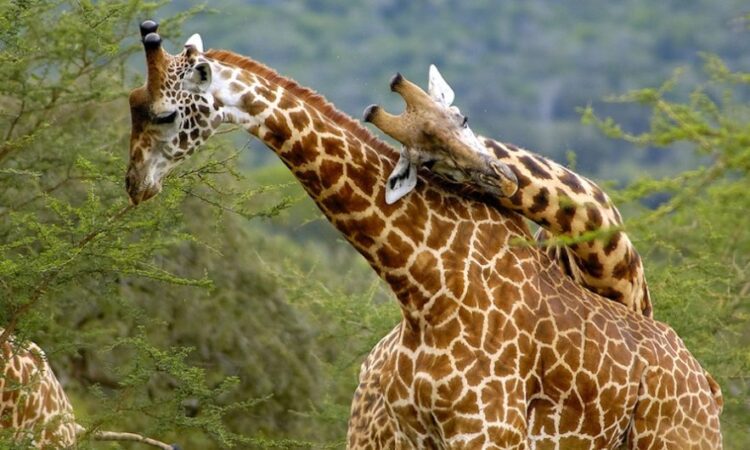
On land, plains animals are widespread and easy to observe. Zebra and Masai giraffe roam the grasslands in relaxed family groups, sometimes pausing in perfect golden light at sunrise or sunset. Akagera is also home to 11 antelope species, more than many larger East African parks. Impala are everywhere, leaping gracefully between grazing patches, while the striking topi form large, muscular herds on the open plains. Near the lakeshores, Defassa waterbuck are a daily sight, and the beautifully marked bushbuck can be found slipping quietly through the woodlands. The higher Mutumba Hills reward patient visitors with oribi, a small and shy antelope often overlooked but highly rewarding to spot.
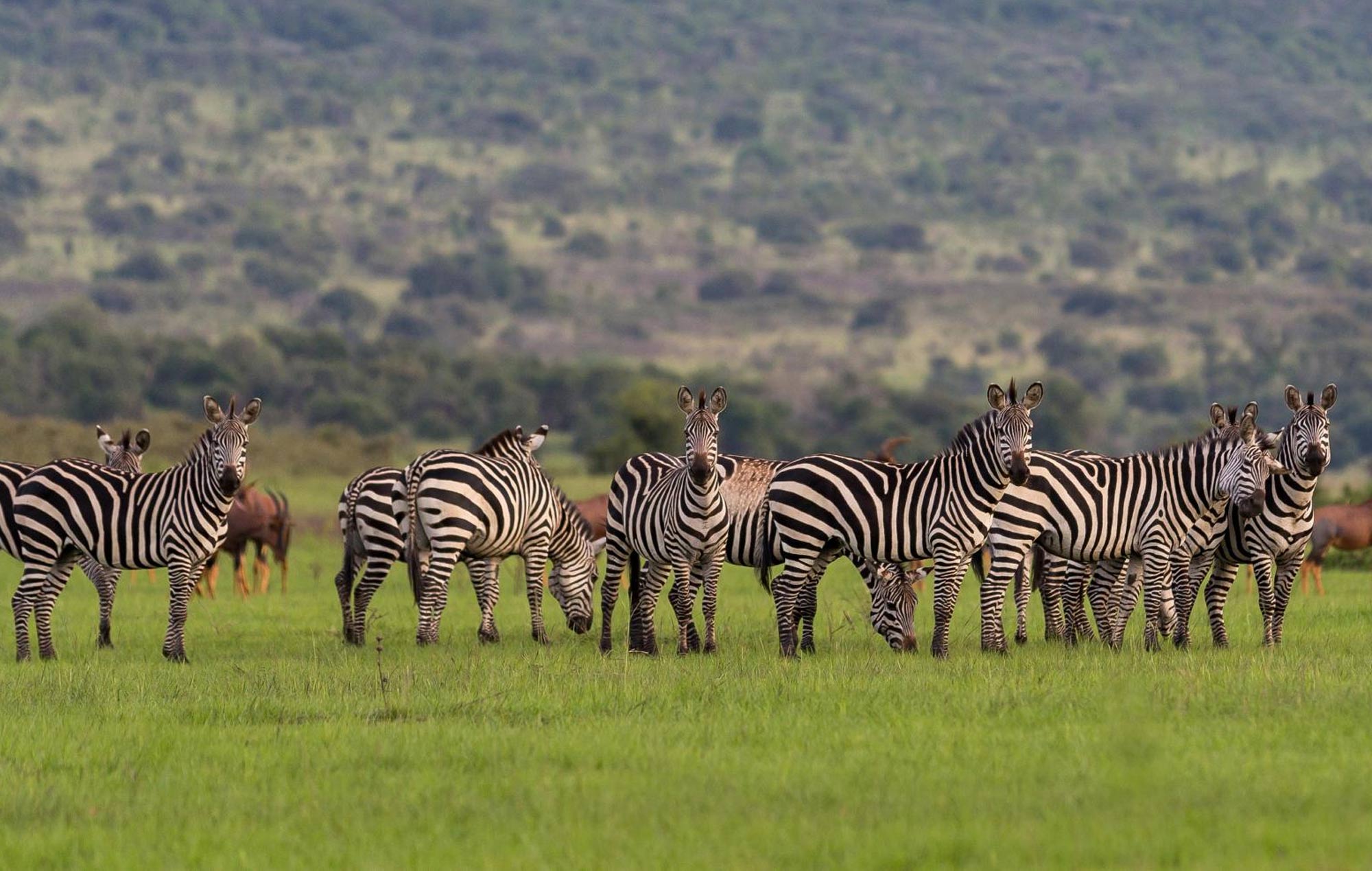
Zebras in Akagera NP
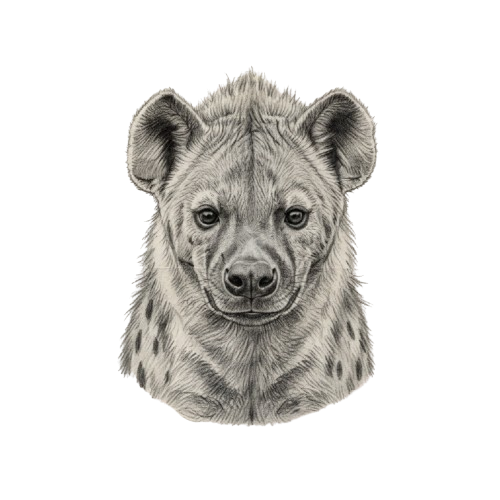
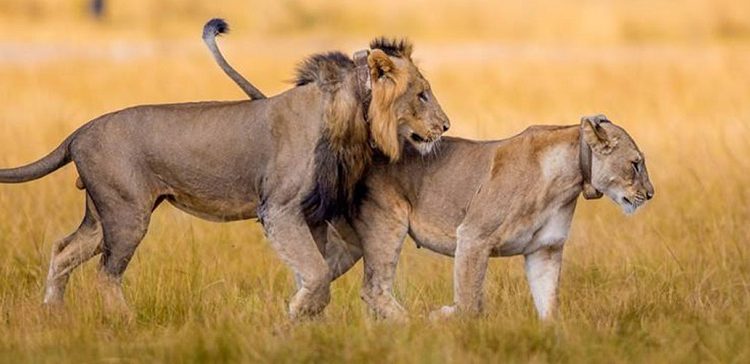
Predator sightings have become more frequent as the lion population grows and settles. While lions still tend to roam wide territories, morning and late-afternoon drives often reveal tracks, roars, or even sleeping prides tucked beneath acacia thickets. Hyenas and leopards also inhabit the park, though they remain more elusive-a reminder that Akagera’s wilderness still keeps some secrets.
For birders, Akagera is one of the best birding destinations in East Africa, with over 500 species recorded. Iconic species include the shoebill stork, papyrus gonolek, and countless waterbirds attracted to the park’s lakes and wetlands.
Wildlife viewing is at its best during the main dry season from June to September when vegetation is thinner and animals gather more predictably around water. A second excellent period is from mid-December to mid-February, the warm, dry stretch between the short and long rains. During these months, visibility is good, roads are easier to navigate, and wildlife stays more concentrated. More about best time to visit Akagera NP
As Akagera’s conservation story continues to unfold, each year brings richer wildlife encounters and a stronger sense of ecological recovery. For travelers, this means a rare blend of classic African safari scenery and a park still climbing toward its full potential, an unusual chance to witness a landscape and its wildlife thriving in real time.
Frequently Asked Questions
Find answers to the most common questions about this tour.
1
Is Akagera National Park a Big Five destination?
Yes. Akagera is officially a Big Five park, with lions, leopards, elephants, buffalo, and both black and white rhinos. While some species-like leopards-are still elusive, sightings are getting better each year thanks to ongoing conservation work.
2
Are boat safaris in Akagera worth it?
Very much. Boat trips on Lake Ihema are one of the park’s highlights, offering close-up views of hippos, large crocodiles, abundant birdlife, and sometimes elephants entering the water to cool down. It’s an ideal complement to a traditional game drive.
3
What animals are easiest to see in Akagera?
Plains game such as zebra, Masai giraffe, impala, topi, and Defassa waterbuck are very common. Hippos and crocodiles are almost guaranteed on a boat safari, and elephants are seen frequently near the lakes and open savannahs.
4
Where can I see rhinos in Akagera?
Rhinos are most often spotted in the southern and central parts of the park, especially around grazing areas close to the lakes. The recent introduction of 30 white rhinos has made sightings much more regular during both morning and afternoon drives.
5
When is the best time for wildlife viewing in Akagera?
The prime wildlife season runs from June to September when the vegetation is thin and animals gather around water. A second good wildlife window is mid-December to mid-February between the two rainy seasons.
Akagera Safaris to inspire your journey.
1-Day Akagera National Park Trip
This one-day Akagera National Park trip is ideal for travelers with limited time, especially those visiting Rwanda for meetings or short stays. It offers the perfect opportunity to experience the country’s only savannah national park and enjoy classic African wildlife viewing without the need for an extended itinerary.
2-Day Akagera National Park Safari Trip
This 2-day safari takes you to Akagera National Park for a mix of wildlife viewing and calm scenery. The park is the only place in Rwanda where you can see the classic savanna landscape with open plains, lakes, and rolling hills. The trip is designed for travelers who want a quick escape from Kigali without rushing through the experience.
3-Day Game Drive on Akagera National Park
This is one of the famous destinations in Rwanda, where you will have the chance to see leopards, hyenas, jackals, owls, and Aardvarks. This journey blends scenic savannah landscapes, abundant wildlife, and the comfort of a carefully curated safari experience. From sweeping game drives to an unforgettable night safari, you’ll explore one of Rwanda’s most diverse ecosystems and finish with a relaxed return to Kigali.