Best Time to Visit Akagera National Park
The best time to visit Akagera National Park is during the long dry season from June to September, when wildlife viewing is at its peak and conditions for game drives are ideal. A shorter dry period from mid-December to mid-February also offers excellent visibility, pleasant weather, and reliable animal sightings. While the park is open year-round, these dry months give travelers the highest chance of seeing Akagera’s big game, including lions, elephants, giraffes, and antelope herds, as animals gather around lakes and waterholes.

Giraffes in Akagera National Park
Why the Dry Season Is Best
The dry months bring bright, sunny days, thin vegetation, and excellent road conditions. With fewer water sources available, wildlife concentrates in predictable areas, making sightings more frequent and easier to enjoy. Mosquito activity is lower, reducing malaria risk, and temperatures are comfortable for full-day game drives. Photography is also at its best during this period, clear skies and warm, golden light give you sharp, dramatic images.
The Short Dry Season (Mid-December to Mid-February)
The shorter dry spell offers a lovely balance of clear weather and slightly greener scenery. Wildlife density remains high around riverbanks and lakes, and this period is particularly enjoyable for travelers seeking fewer crowds. Temperatures are warm but not extreme, and early mornings in the park are especially rewarding for predator sightings.
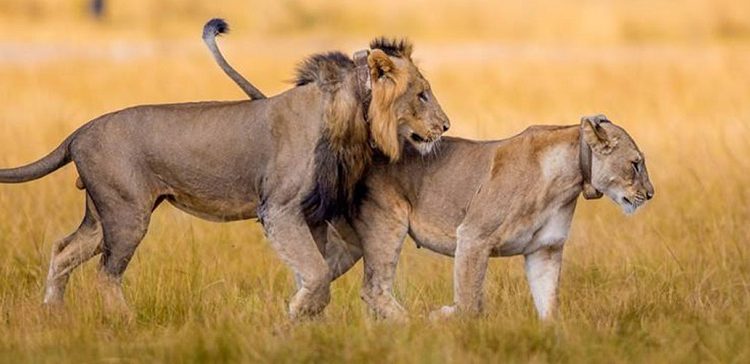
Game Drive inside Akagera National Park
Wet Season (October to May)
The wet season transforms Akagera into a lush, vibrant landscape, and while wildlife is still present, the experience shifts.
From October to December, rain arrives gradually, brightening the park and attracting impressive birdlife. Wildlife viewing is still good, but animals spread out more widely due to abundant water sources.
The heavier rains of March and April bring thick vegetation and muddy tracks. A 4x4 vehicle becomes essential, and wildlife can be harder to spot. That said, this is the best time for scenic photography and birdwatching - Akagera becomes a paradise for birders with migratory species filling the skies.
By May* conditions begin improving again as the long rains taper off, and sightings become more predictable.
Seasonal Temperatures and Weather
Akagera’s climate is warm throughout the year, but the landscape changes noticeably:
- Dry season temperatures: 20-28°C (68-82°F) in the day, cooler at night.
- Wet season temperatures: 23-29°C (73-84°F), with higher humidity and occasional afternoon rains.
If travelers are unfamiliar with East African weather patterns, this helps them plan clothing and gear, lightweight clothing for the day, layers for early morning drives, and rain protection in the wet months.
Monthly Wildlife Viewing Quality
To simplify planning, here’s how wildlife viewing typically ranks month-by-month:
- Excellent: January, February, June, July, August, September
- Good: May, October, November, December
- Fair: March, April
Expert Recommendation
For the classic Akagera safari experience, big game, clear views, comfortable weather, and easy road conditions, aim for June to September or mid-December to mid-February. Travelers who enjoy lush landscapes, dramatic skies, and exceptional birdlife will appreciate the wet months despite the softer wildlife visibility.
Akagera is a year-round destination, but choosing the right season depends on whether you prioritise wildlife density, scenery, or photography conditions.
Akagera Safaris to inspire your journey.
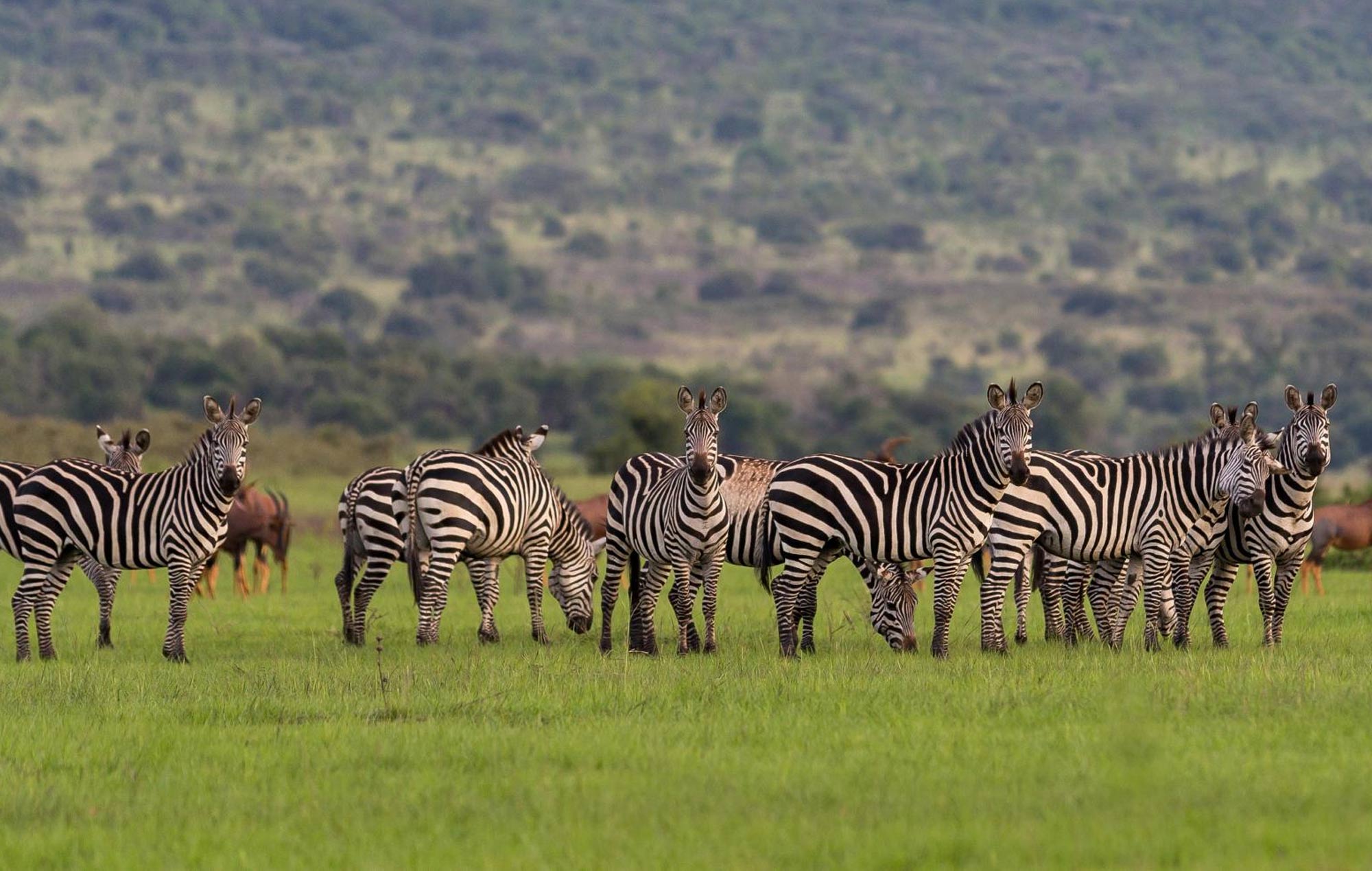
1-Day Akagera National Park Trip
This one-day Akagera National Park trip is ideal for travelers with limited time, especially those visiting Rwanda for meetings or short stays. It offers the perfect opportunity to experience the country’s only savannah national park and enjoy classic African wildlife viewing without the need for an extended itinerary.
2-Day Akagera National Park Safari Trip
This 2-day safari takes you to Akagera National Park for a mix of wildlife viewing and calm scenery. The park is the only place in Rwanda where you can see the classic savanna landscape with open plains, lakes, and rolling hills. The trip is designed for travelers who want a quick escape from Kigali without rushing through the experience.
3-Day Game Drive on Akagera National Park
This is one of the famous destinations in Rwanda, where you will have the chance to see leopards, hyenas, jackals, owls, and Aardvarks. This journey blends scenic savannah landscapes, abundant wildlife, and the comfort of a carefully curated safari experience. From sweeping game drives to an unforgettable night safari, you’ll explore one of Rwanda’s most diverse ecosystems and finish with a relaxed return to Kigali.